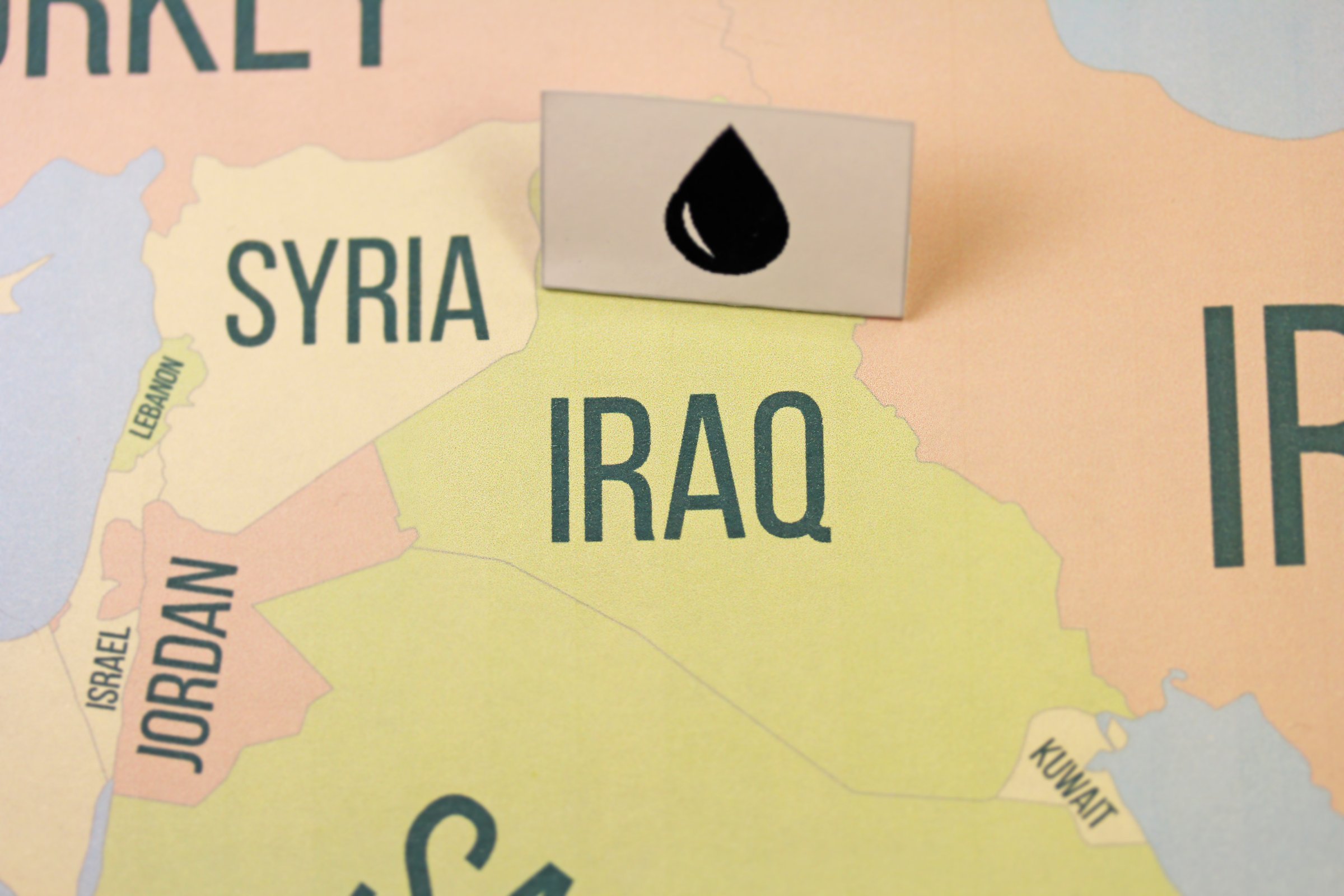
Iraq’s foreign minister said Iraqi crude exports would move through the Strait of Hormuz via a shipping lane near Oman, aiming to keep flows steady through a key chokepoint.
Iraq says it has reached understandings with the United States to allow Iraqi oil exports to transit the Strait of Hormuz. Foreign Minister Fuad Hussein said exports would move via a shipping lane near Oman.
The statement points to an effort to keep Iraqi crude exports moving through a major maritime chokepoint used by global energy trade. For procurement and logistics teams, the development may reduce near-term uncertainty for Iraqi crude movements, while leaving broader chokepoint volatility as an ongoing planning risk.
What Iraq said about Hormuz transit for crude exports
Foreign Minister Fuad Hussein said Iraq has reached understandings with the United States to allow Iraqi oil exports to pass through the Strait of Hormuz.
He said Iraqi exports would move through Hormuz using a shipping lane near Oman. Iraq did not announce additional operational details in the statement, such as timing, volumes, or whether any specific routing or coordination measures would apply to all Iraqi crude exports.
Why the Strait of Hormuz matters for shipping and energy supply
The Strait of Hormuz is a major maritime chokepoint for global crude oil movements. When conditions around chokepoints tighten, the impact can show up quickly in freight markets through higher risk premiums, changes in vessel availability, and longer lead times.
For buyers of crude-linked inputs, the key issue is continuity of flow. Any signal that exports can continue through a defined corridor—such as a shipping lane near Oman—can influence near-term planning assumptions, even if broader regional risk remains.
Who is affected: Iraqi crude exports, shipping, and downstream buyers
The immediate exposure is for Iraqi crude exports moving to global markets via Hormuz. Shipping operators and charterers moving crude through the region may also be affected, since routing decisions and risk management practices often adjust around chokepoint conditions.
Downstream, energy-intensive manufacturers and chemical producers can see knock-on effects if crude flows are disrupted or delayed. Even without a full stoppage, variability in transit times can complicate inventory planning and contract performance for buyers tied to seaborne supply.
What happens next for the shipping lane near Oman
Iraq’s statement frames the arrangement as “understandings” with the United States and identifies a shipping lane near Oman as the route for Iraqi exports through Hormuz.
No implementation timeline, enforcement mechanism, or operating procedures were announced in the statement. For supply chain teams, the next practical step is to watch for confirmation of how the lane will be used in day-to-day operations and whether any additional guidance emerges from relevant authorities or counterparties involved in Iraqi crude movements.
How to manage Hormuz maritime chokepoint risk in freight planning
Even with a stated route, chokepoint exposure can still translate into volatility. Freight and risk teams typically plan for scenarios that include rerouting, higher insurance costs, and lead-time variability if conditions change.
For organizations with direct or indirect exposure to Iraqi crude exports, the operational focus is on monitoring shipment status, validating route assumptions with logistics partners, and stress-testing supply plans against delays. The goal is to avoid single-point-of-failure assumptions around a narrow maritime corridor.
Key takeaways
Iraq’s foreign minister said Baghdad has understandings with the US to allow Iraqi oil exports through the Strait of Hormuz.
He said exports would move via a shipping lane near Oman.
The Strait of Hormuz remains a critical maritime chokepoint for global crude movements.
Energy and freight teams may see reduced near-term disruption risk for Iraqi crude, but should still plan for volatility around the chokepoint.
What this means for manufacturers and sourcing teams
What this means for manufacturers and sourcing teams: If Iraqi crude exports continue transiting Hormuz via the lane near Oman, near-term supply disruption risk for Iraq-linked crude flows could ease. Buyers should still model volatility around the Hormuz maritime chokepoint, including potential lead-time swings and higher logistics and insurance costs if conditions change. Validate routing assumptions with carriers and traders, review force majeure and delivery terms on energy-linked contracts, and consider buffer inventory or alternate sourcing for critical fuels and petrochemical feedstocks. Use tools like MESH Works to map supplier exposure to Iraq-linked crude inputs and track shipment exceptions.