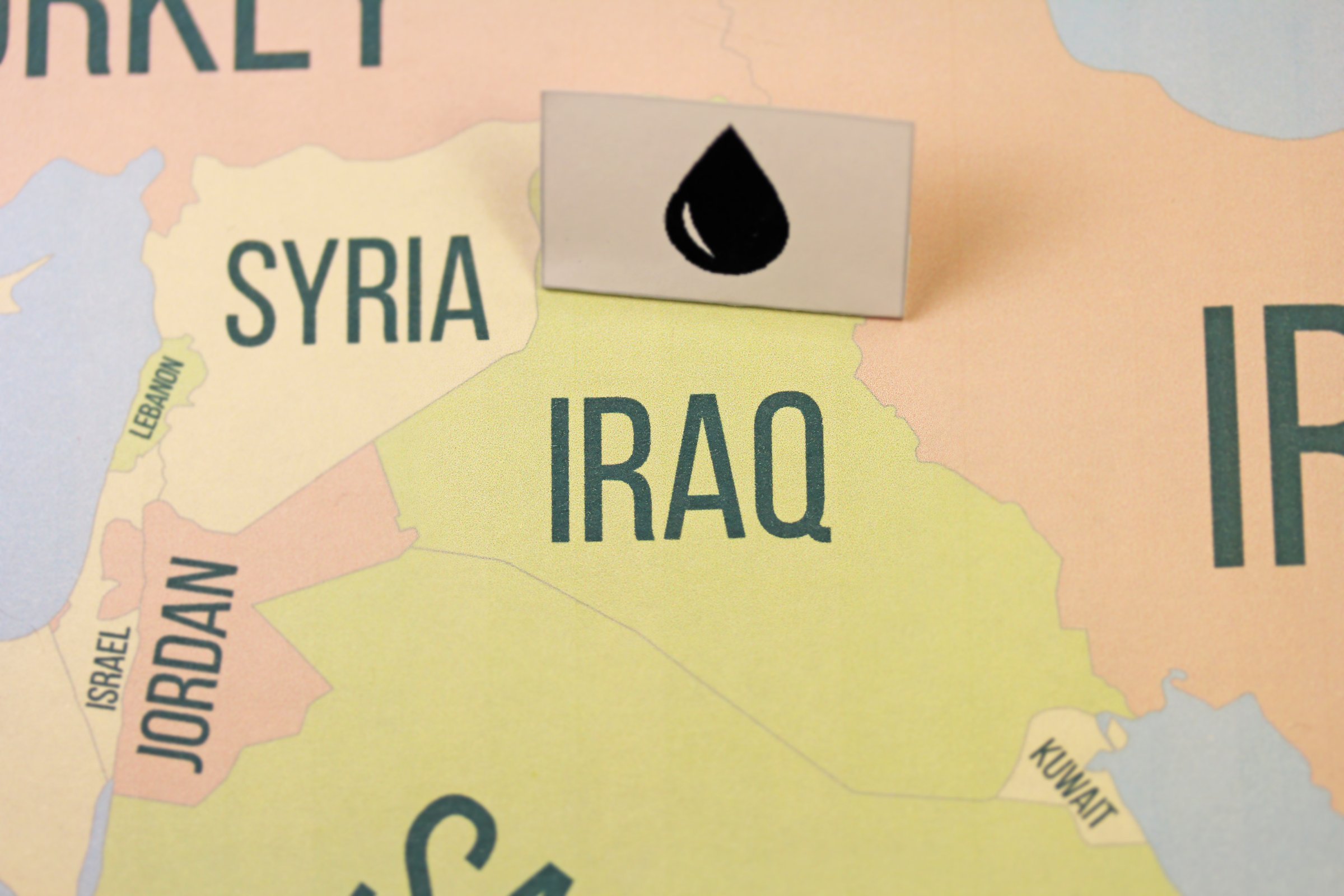
The EU is signaling a more assertive approach to rare earth supply security, a shift that could drive new sourcing requirements and tighter risk controls for China-linked supply chains.
Europe is moving to reduce what it describes as a $1.5 trillion Europe rare earth risk by adopting an approach characterized as a “China playbook.” The shift signals a more assertive European posture toward securing rare earth supply and managing exposure tied to these materials.
For procurement leaders, the change points to more policy-driven intervention in rare earth sourcing. That could influence availability, pricing, and supplier qualification expectations across rare earth-containing components and subassemblies.
What changed in Europe’s approach to rare earths
The European Union is shifting its stance on rare earth supply security, framing the issue as a $1.5 trillion economic risk tied to the availability of rare earths. The approach is being described as tapping a “China playbook,” signaling a move toward more assertive measures to secure supply.
The development highlights rare earths as a strategic input with outsized downstream exposure. For manufacturers, the key point is not a single rule change, but a directional shift: Europe is preparing to manage rare earth risk more actively rather than treating it as a purely commercial sourcing problem.
Why Europe is prioritizing rare earth supply security now
Europe is elevating rare earths as a supply-security priority because disruptions or constraints can cascade across multiple industrial value chains. Rare earths are used in many advanced components, and supply concentration can translate into broad economic exposure.
A “supply security” posture typically implies governments may use tools beyond market signals—such as strategic planning, tighter oversight, or incentives—to reduce dependency and improve resilience. The EU’s framing of the risk at $1.5 trillion underscores the scale of concern and the strategic importance attached to these materials.
Who is affected: EU buyers with China-linked rare earth exposure
The shift is most relevant for EU-based manufacturers and sourcing teams that rely on rare earths directly, or indirectly through magnets, electronics, and other rare earth-containing parts. Companies with multi-tier supply chains that route through China-linked processing, trading, or component manufacturing may face the most immediate scrutiny.
Even when a bill of materials does not list “rare earths,” exposure can sit inside subcomponents. As Europe becomes more assertive on supply security, buyers may need to map where rare earth content enters products and where China-linked dependencies exist across tiers.
What to watch next for procurement and supply chain teams
Europe’s move signals that rare earth sourcing may become more shaped by policy and strategic objectives. For procurement, that often translates into new expectations around supplier qualification, documentation, and risk monitoring—especially where supply chains are concentrated.
Teams should watch for follow-on actions that operationalize the “China playbook” approach, including any measures that change how supply is secured or how exposure is managed. Until specific instruments are announced, the practical takeaway is to prepare for tighter governance around rare earth supply security and China-linked supply chain risk.
Key takeaways
The EU is reframing Europe rare earth risk as a $1.5 trillion exposure and shifting toward a more assertive supply-security posture.
Europe’s approach is being characterized as adopting a “China playbook,” signaling more active intervention to secure rare earth supply.
Procurement teams may see policy-driven changes that affect availability, pricing, and supplier qualification requirements.
China-linked dependencies in multi-tier supply chains are likely to face increased scrutiny as Europe tightens risk management.
What this means for manufacturers and sourcing teams
What this means for manufacturers and sourcing teams: Start by mapping rare earth exposure beyond Tier 1, including subcomponents where rare earths may be embedded. Stress-test cost and lead-time scenarios if supply tightens or qualification requirements expand. Build a diversification plan that reduces single-region dependency, and update supplier onboarding to capture origin, processing, and sub-tier visibility where feasible. Increase monitoring for policy-driven shifts that could affect rare earth supply security; tools like MESH Works can help centralize supplier risk signals and documentation workflows.