Custom aluminium extrusion profiles in a range of cross-sections
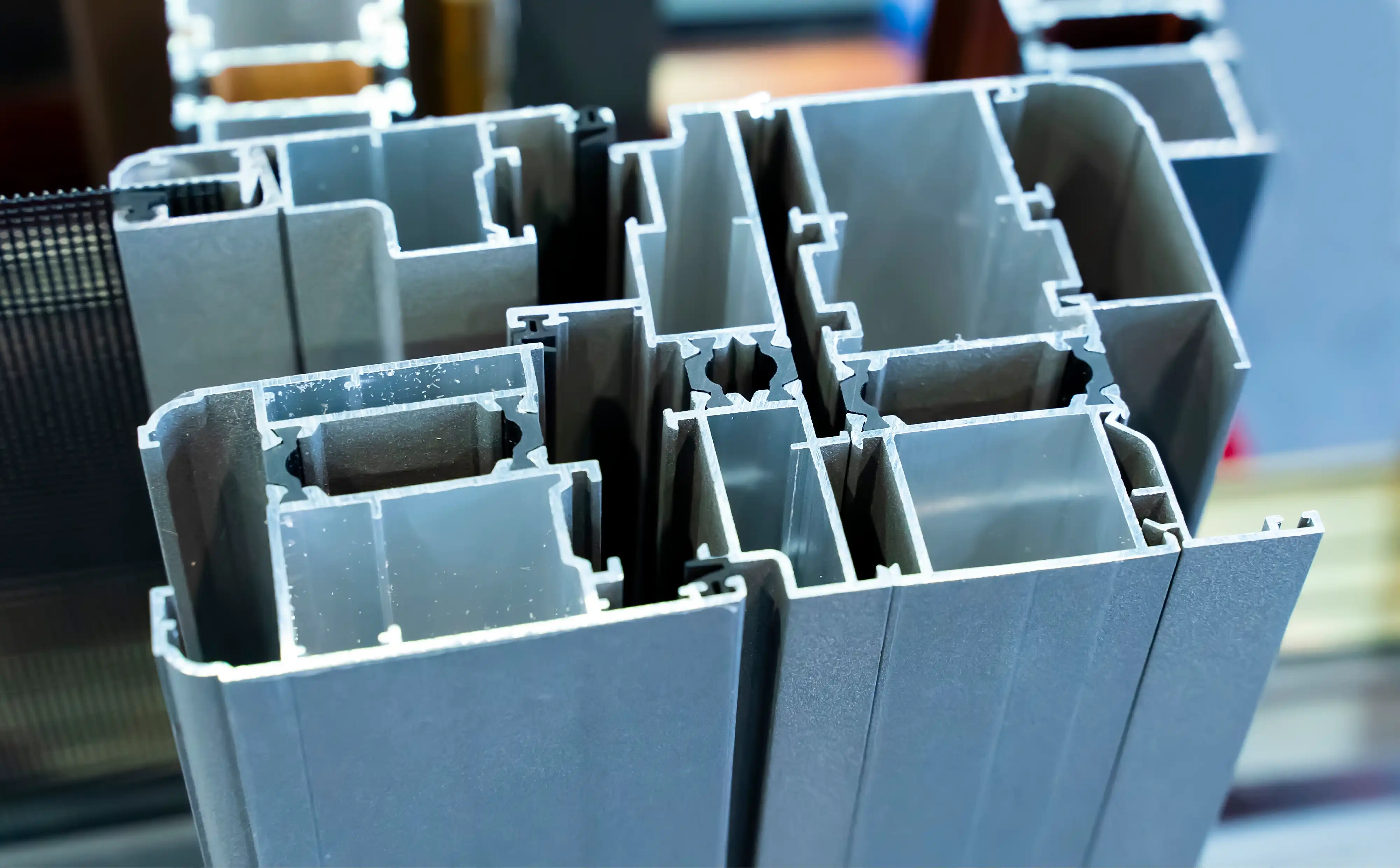
Custom aluminium profiles
Profiles manufactured to CAD drawings, samples or application specifications.
Compare press capacity, alloy range, die lead time and finishing across qualified Indian extruders — then tell us what you need and get matched quotes.
India has a well-established aluminium extrusion manufacturing ecosystem, with suppliers offering custom profiles across a broad range of press capacities, alloys and section types. Commonly available alloys include 6063, 6061 and 6082, with solid, hollow and semi-hollow profiles manufactured to customer specifications and applicable international standards such as EN 12020-2 and ASTM B221. Many established suppliers also offer downstream services including anodising, powder coating, machining and fabrication.
Tell us the part, the commodity and the annual volume. We come back with extruders whose press size, die capability and certification actually match it.
Submit your requirementThe specification band across the India network — what most plants quote as standard, and what a smaller group can take on.
| Capability | Commonly Available | Available from Selected Suppliers |
|---|---|---|
| Press capacity | ~700–3,000 MT | 3,000+ MT and larger industrial presses |
| Profile types | Solid, hollow, semi-hollow | Complex / high-strength profiles |
| Common alloys | 6063, 6061, 6082, 6005A | 6101, 1350 and selected 7xxx alloys |
| Profile size | Supplier- and press-dependent | Larger circumscribing circles available |
| Standards / tolerances | EN 12020-2, ASTM B221, applicable IS standards | Tighter tolerances available by specification |
| Surface finishing | Mill finish, anodizing, powder coating | Electrophoretic, PVDF, wood-effect and other specialty finishes |
| MOQ | Supplier/profile dependent; 500 kg is commonly quoted by some suppliers | Lower quantities may be possible with selected presses/suppliers |
| Die development | Typically 1–4 weeks, depending on complexity | Expedited tooling may be available |
| Quality systems | ISO 9001 widely available among established suppliers | IATF 16949, ISO 14001 and other certifications available from selected suppliers |
| Finishing certifications | Supplier-dependent | QUALICOAT / QUALANOD available from selected finishing operations |
Capability is not evenly spread. Each cluster concentrates a different kind of work.
Highest plant density; general-purpose and architectural
Large presses, structural and industrial sections
Automotive, IATF-certified supply, EV structural
Established extruders, architectural and electrical
Machine frames, pumps, engineering profiles
Solar mounting, volume architectural
Fabrication-heavy, secondary machining depth
Long-established presses, general engineering
Every extruder will say yes to “can you make this?”. These are the questions where the answers actually differ — and what a credible answer sounds like.
These answers are exactly what a MESH audit records before a supplier ever appears in your shortlist — press list, die shop, certification scope and what our engineer saw on the floor. You start the conversation at question eight.
See a sample auditStandard and fully custom profiles, drawn to your section, alloy and finish.
Custom aluminium extrusion profiles in a range of cross-sections
Profiles manufactured to CAD drawings, samples or application specifications.
Industrial aluminium sections stacked at an extrusion plant
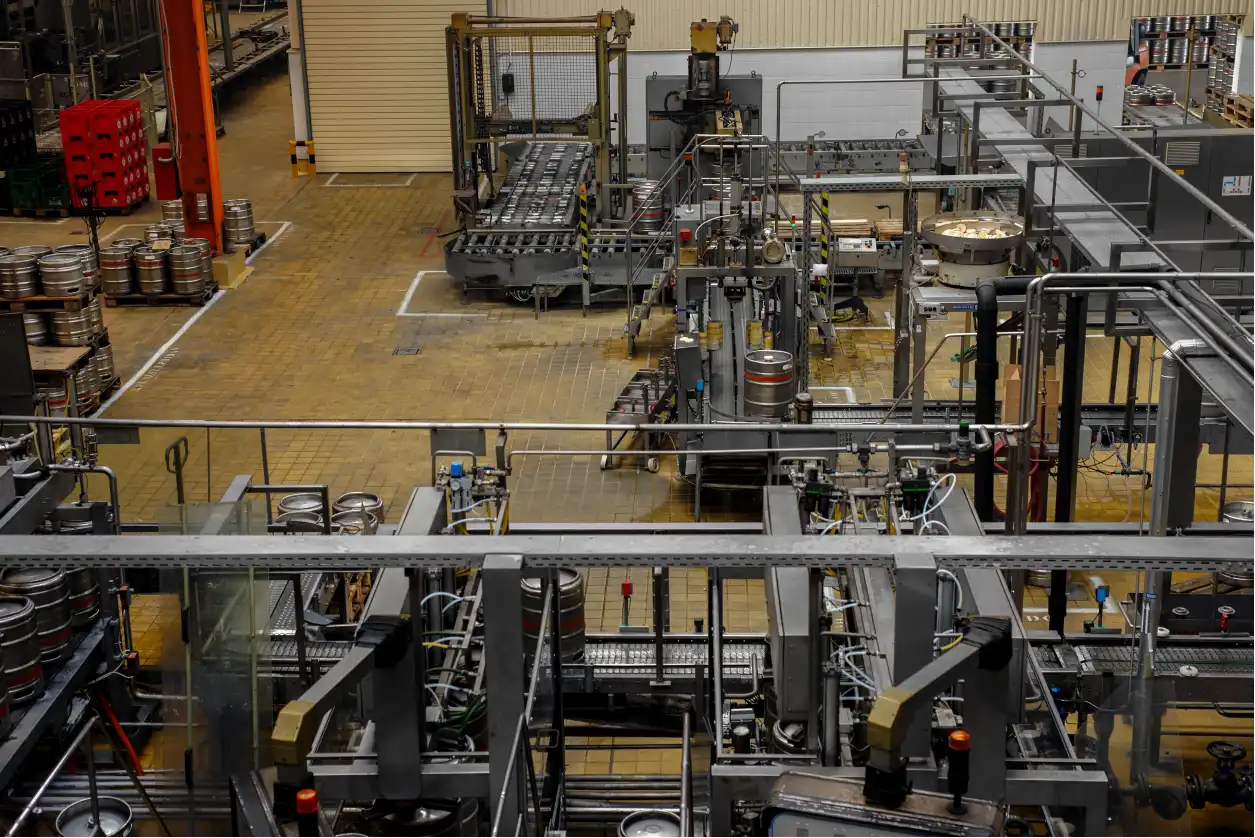
Structural and functional sections for equipment and machinery.
Extruded aluminium tubes and hollow sections
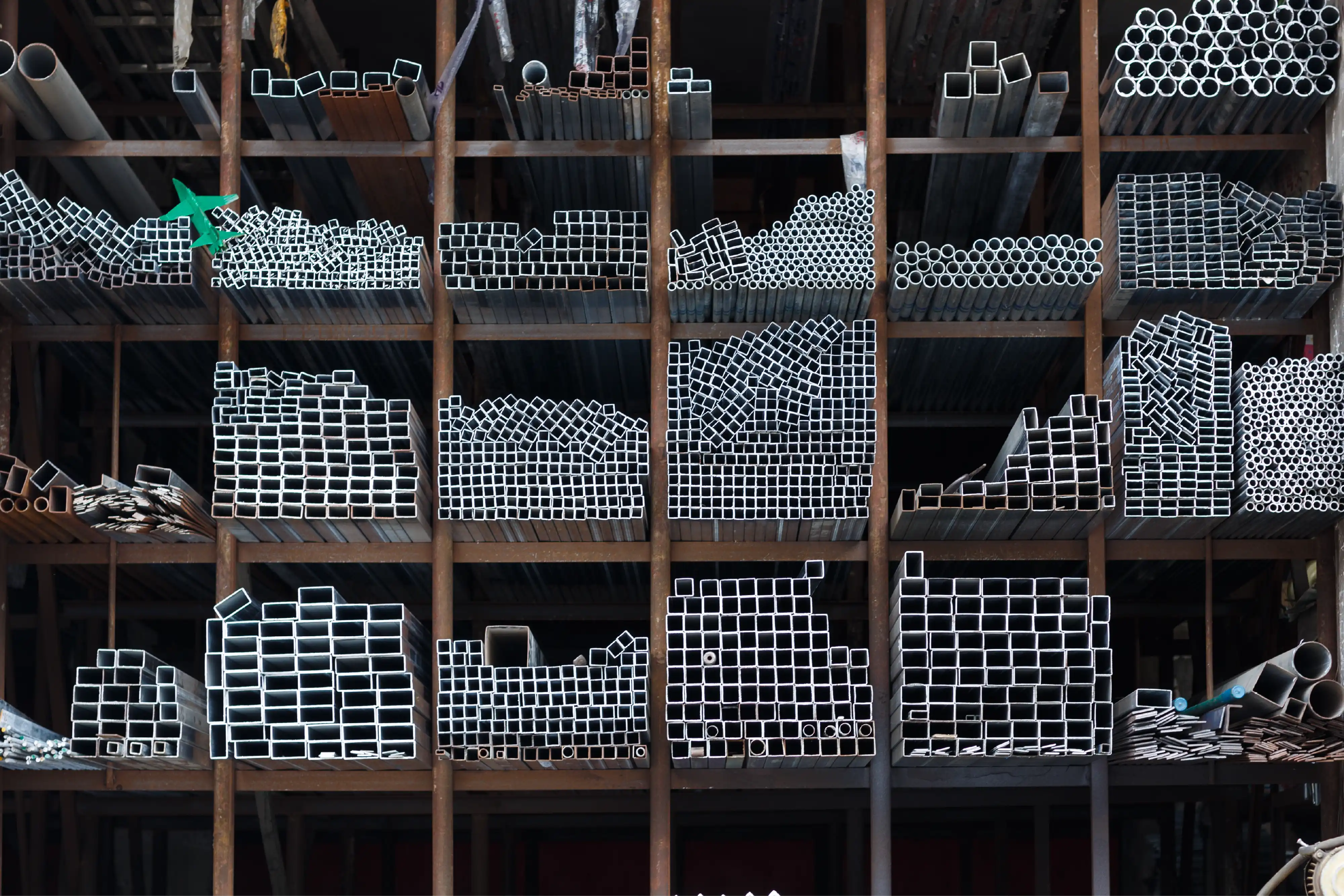
Round, rectangular and custom hollow profiles for engineering use.
Extruded aluminium heat sink profiles with fin arrays
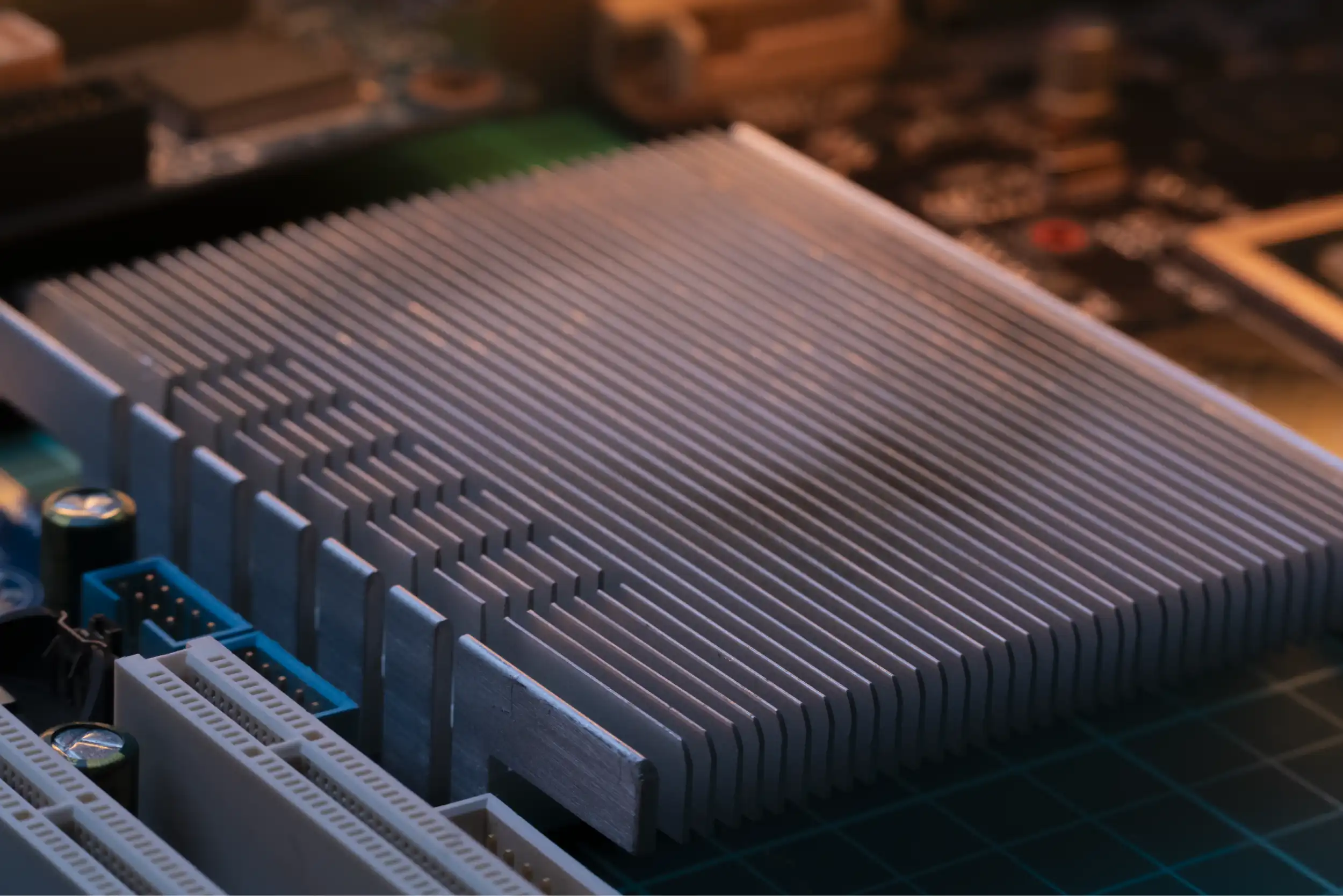
Extruded heat sinks for thermal management and power electronics.
Structural aluminium profiles used for frames and enclosures
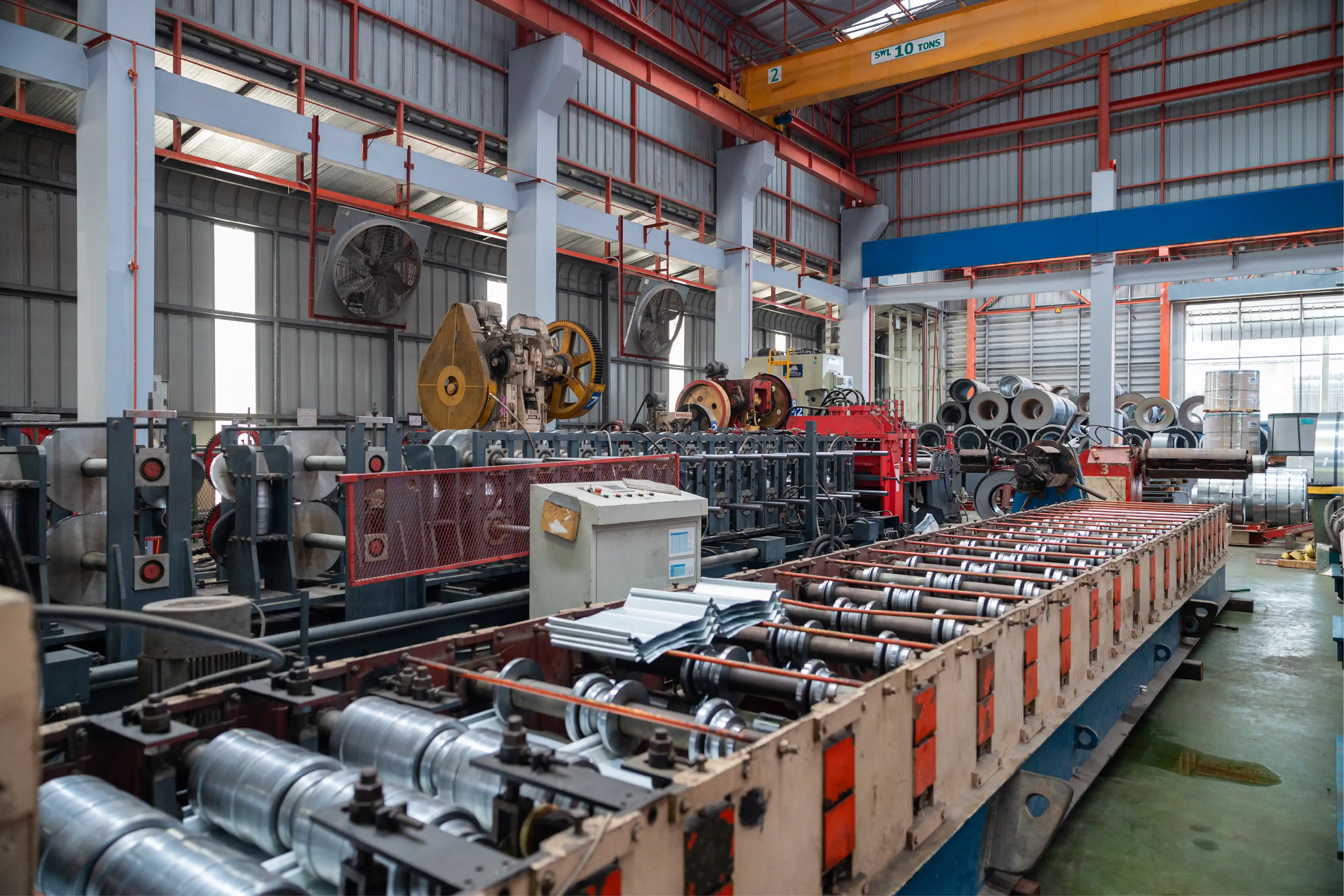
Frames, enclosures and load-bearing assemblies.
Multi-cell aluminium profiles for automotive and EV battery enclosures
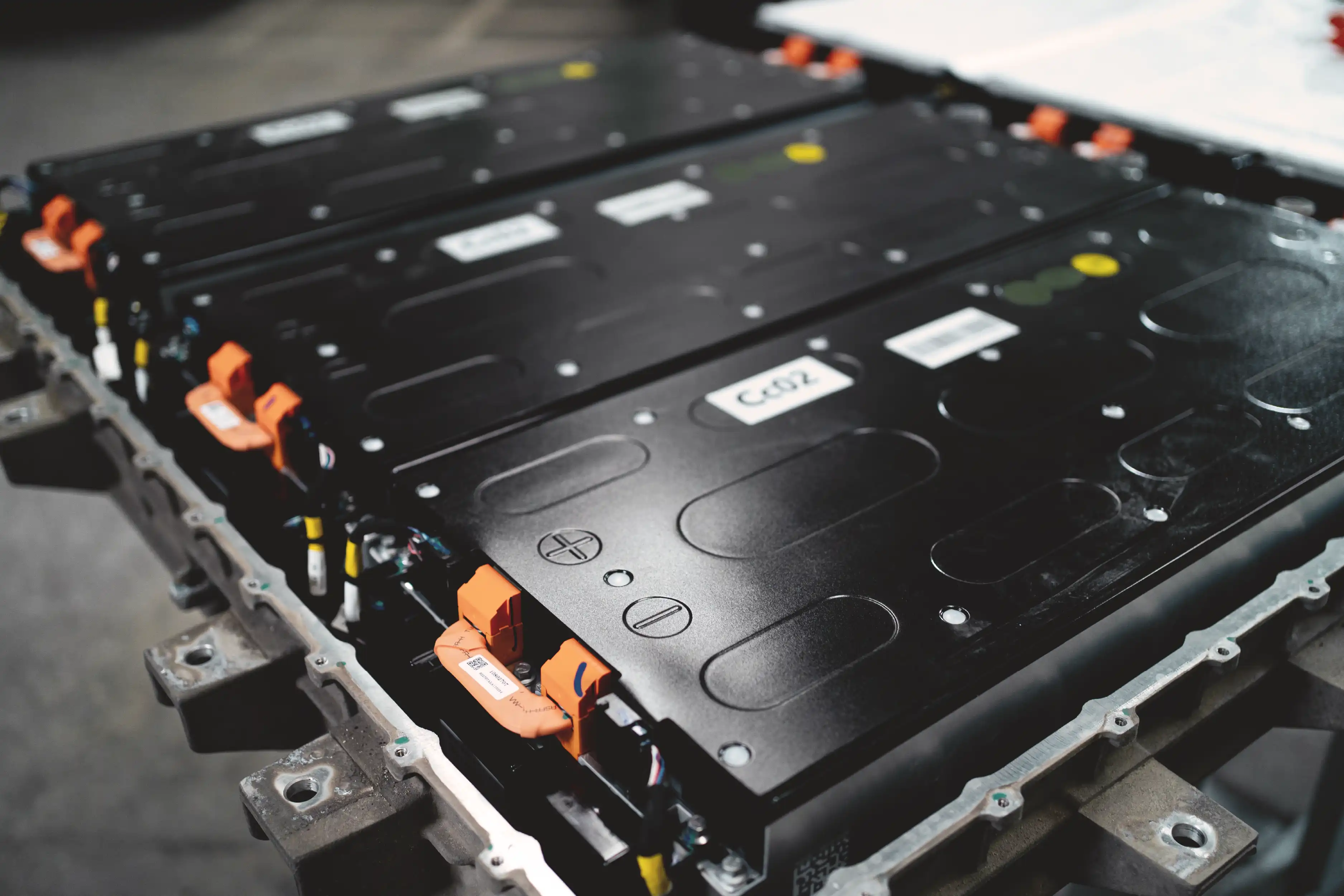
Multi-cell crash tubes, battery enclosure rails and cooling plates.
Aluminium mounting rails for solar panel structures
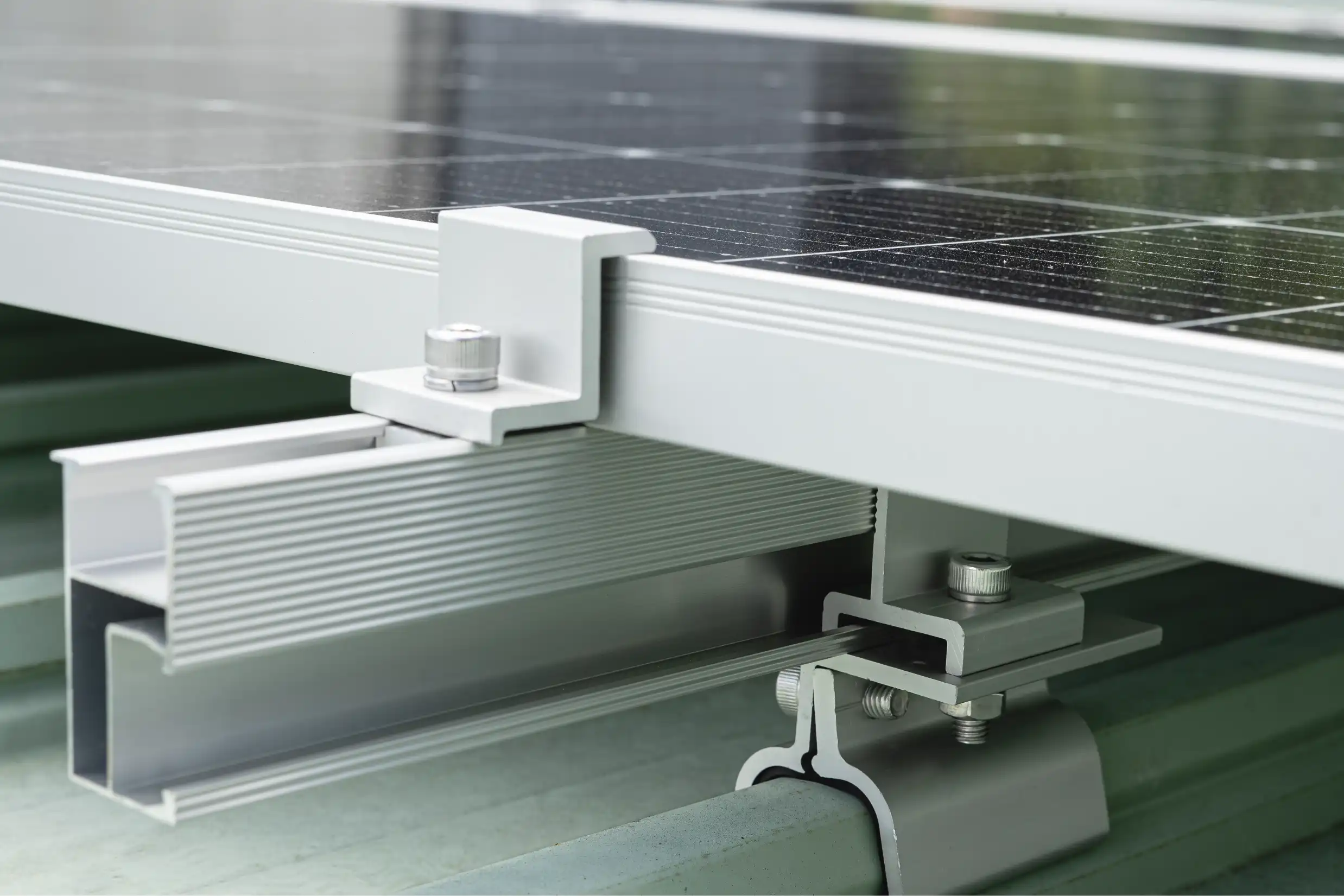
Rails, clamps and frame sections for mounting systems.
Extruded aluminium busbar and electrical enclosure profiles
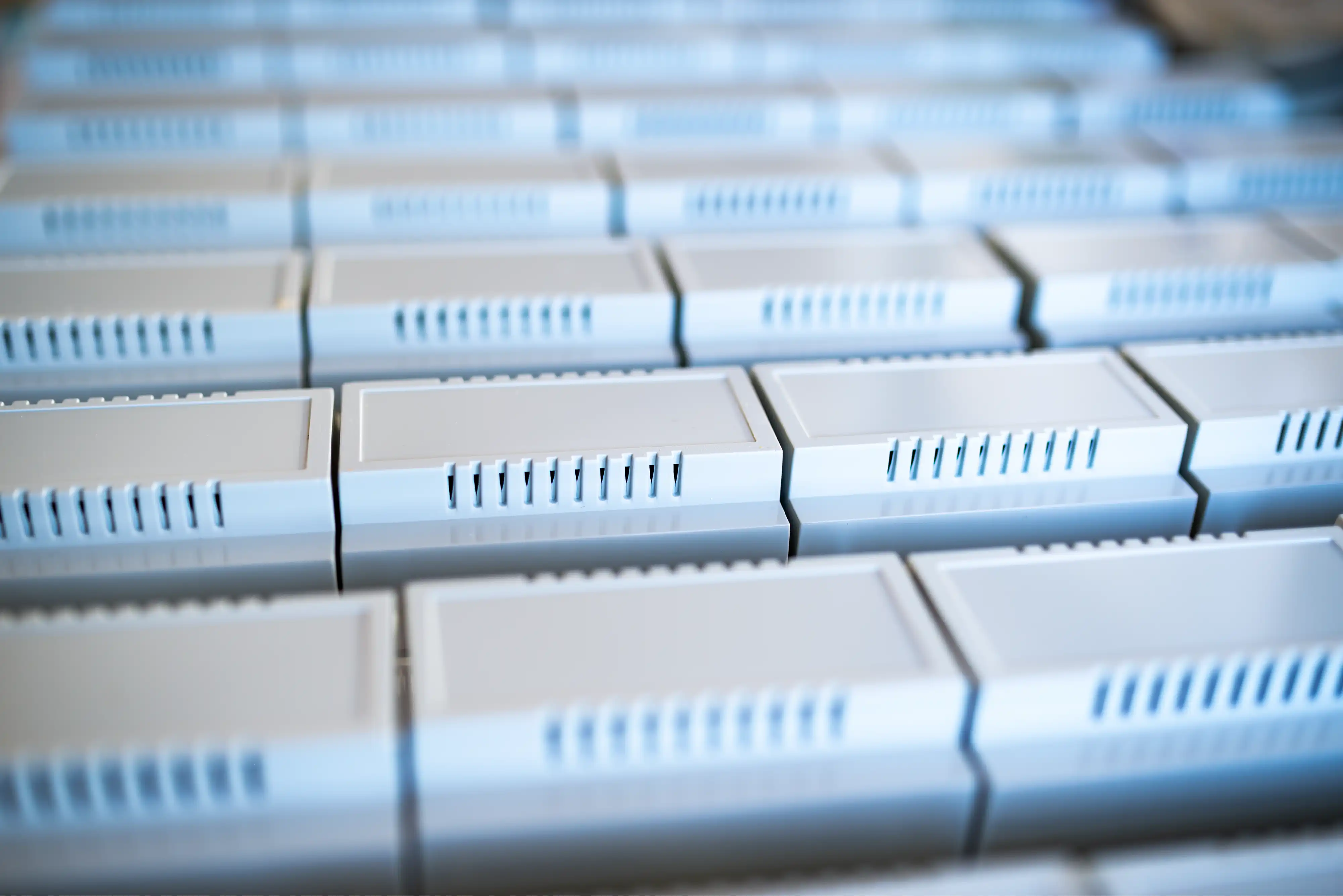
Busbars, enclosures and conductive sections in 6101 / 1350.
Source suppliers able to manufacture to your drawings, dimensions and performance requirements.
Type material, location, specific requirement.
Identify extruders with the required press and die capability.
Compare alloys, tolerances, tooling and finishing.
First-article approval before production release.
Move to bulk manufacturing and scheduled supply.
Where extrusion work is best placed depends on tooling complexity, destination market and duty exposure — not piece price alone.
| Factor | India | China | Vietnam | Mexico | USA | Poland |
|---|---|---|---|---|---|---|
| Indicative cost position | Low–mid | Low–mid | Low–mid | Mid | High | Mid |
| Tooling economics | Competitive | Competitive | Competitive | Moderate | Higher | Moderate–higher |
| US transit | ~25–40 days* | ~30–45 days* | ~28–40 days* | ~2–5 days* | Domestic | — |
| EU transit | ~20–30 days* | ~30–40 days* | ~30–40 days* | — | — | ~2–4 days* |
| US trade exposure | Section 232 + applicable import measures | Section 232 + existing AD/CVD orders | Section 232 + applicable import measures | USMCA may apply; Section 232 must also be checked | Domestic | Section 232 / US–EU treatment applies |
| Supplier / press depth | Broad | Deep | Growing | Moderate | Broad | Moderate |
| Best fit | Custom tooling, competitive mid-volume sourcing | High-volume sourcing and broad supplier depth | China+1 diversification | US nearshoring | Domestic supply and rapid replenishment | EU-destined production |
*Indicative transit time only; actual door-to-door timing varies by origin, destination, routing, carrier, customs and shipment mode.
India can be attractive for supplier diversification and competitive manufacturing, but landed cost must account for current US Section 232 treatment, HTS classification, country-of-origin rules and any applicable trade remedies. The 2024 US aluminium-extrusion AD/CVD investigation covering India ended with a negative USITC injury determination, so no new AD/CVD order was issued from that investigation. Existing measures affecting other countries — such as the long-standing China extrusion AD/CVD orders — remain separate considerations.
Aluminium is covered by the EU CBAM definitive regime, which has applied since 1 January 2026. Buyers should request relevant embedded-emissions information during the RFQ and supplier-qualification process rather than treating emissions data as a post-award requirement.
Extruders specialise. These are the sectors the India network covers most deeply.
Listing a hundred Indian extruders takes an afternoon. Finding out which of them can actually run your profile is the work — and it is already done before you send a single RFQ.
Five steps inside the platform, from sign-in to a live supplier conversation.
Sign in to your MESH Works account.
Go to the Sourcing module from your dashboard.
Describe the part — process, commodity, volume and country.
Review matched, qualified extruders and shortlist the ones you want.
Reach out directly and start the RFQ conversation.
Most Indian extruders quote 300–1,000 kg per profile per production run, with 500 kg the most common floor. MOQ is set by die changeover economics rather than material cost — a press run shorter than about 45 minutes is uneconomic. Extruders running smaller presses generally accept the lower end.
Solid dies typically take 7–15 days and hollow or porthole dies 15–25 days, plus one or two trial runs before dimensional sign-off. Budget 4–6 weeks from die release to approved first article, then 3–4 weeks production and 25–40 days ocean transit to US or EU ports.
Roughly $250–700 for a solid profile and $700–2,000 for a hollow profile — typically a quarter to a half of US or Western European tooling cost. Die cost is either amortised into the first order or charged separately; confirm which, and who owns the die afterwards, before comparing quotes.
6063 dominates, because it gives the best surface for anodising and powder coating. 6061 and 6082 cover structural loads, 6005A appears in rail and transport work, and 6101 or 1350 are used where electrical conductivity matters, as in busbars. 7xxx hard alloys are available from a small number of presses only.
Most Indian presses run roughly 700–3,000 MT with 5–8 inch billet containers, supporting circumscribing circles up to roughly 250 mm. A smaller group operates above 3,000 MT with 10–12 inch containers, for large structural profiles and EV battery trays.
Section 232 aluminium duties apply to aluminium extrusions and listed derivative products regardless of origin — confirm the current rate. Separately, AD/CVD investigations covering extrusions from India and thirteen other countries ended in a negative USITC determination on 30 October 2024, so no orders were issued and deposits were refunded. Petitioners appealed to the Court of International Trade, so verify status before quoting landed cost. The 2011 orders on Chinese extrusions remain in force.
ISO 9001 as a baseline, IATF 16949 for automotive work, Qualicoat and Qualanod for powder coating and anodising quality, and ISO 14001 where the buyer carries scope-3 reporting obligations. For finished profiles, ask for coating thickness records rather than the certificate alone.
A profile drawing or DXF/STEP file with tolerance callouts referencing EN 12020-2 or ASTM B221, alloy and temper, finish and required coating thickness, cut length and tolerance, annual volume and order frequency, any secondary operations, and packing plus destination port and Incoterm.
Yes. Custom profiles are the majority of Indian extrusion output. The sequence is die design and manufacture, trial extrusion, dimensional approval, then production — with finishing and secondary machining either in-house or through the extruder's established partners.
Compare on landed cost rather than quoted unit price: piece price, die cost and ownership, finishing, secondary operations, freight, duty exposure and the working-capital cost of the lead time. Then check press hours actually available for your profile, and whether the tolerance standard they quote matches the one on your drawing.