ADC12
Most widely cast
- Automotive components
- Housings and covers
- Brackets
- Electrical and industrial parts
Match your component to a die caster whose machine class, alloy range and machining capability actually fit it — across automotive, EV, electrical and industrial parts.
How do I know what machine tonnage my part needs?
Clamping force is set by the projected area of the casting — the shadow it throws on the parting plane, including runners and overflows — multiplied by the intensification pressure used to fill the die, plus a safety margin. Note that projected area is not length × width: a housing with a large bore may fill only half its bounding rectangle. A supplier who quotes without asking for projected area has not sized the job.
Take this from your CAD model — the shadow the casting throws on the parting plane, not its surface area.
Typical aluminium HPDC runs 40–100 MPa. Thin walls and pressure-tight parts sit at the higher end.
An estimate for shortlisting, not a substitute for the supplier's own calculation — die layout, cavitation and machine specifics all move the number.
Required clamping force
240tonnes313 cm² (incl. runners) × 70 MPa × 1.2 safety
Comfortably inside the range most Indian die casters run every day — the widest choice of suppliers.
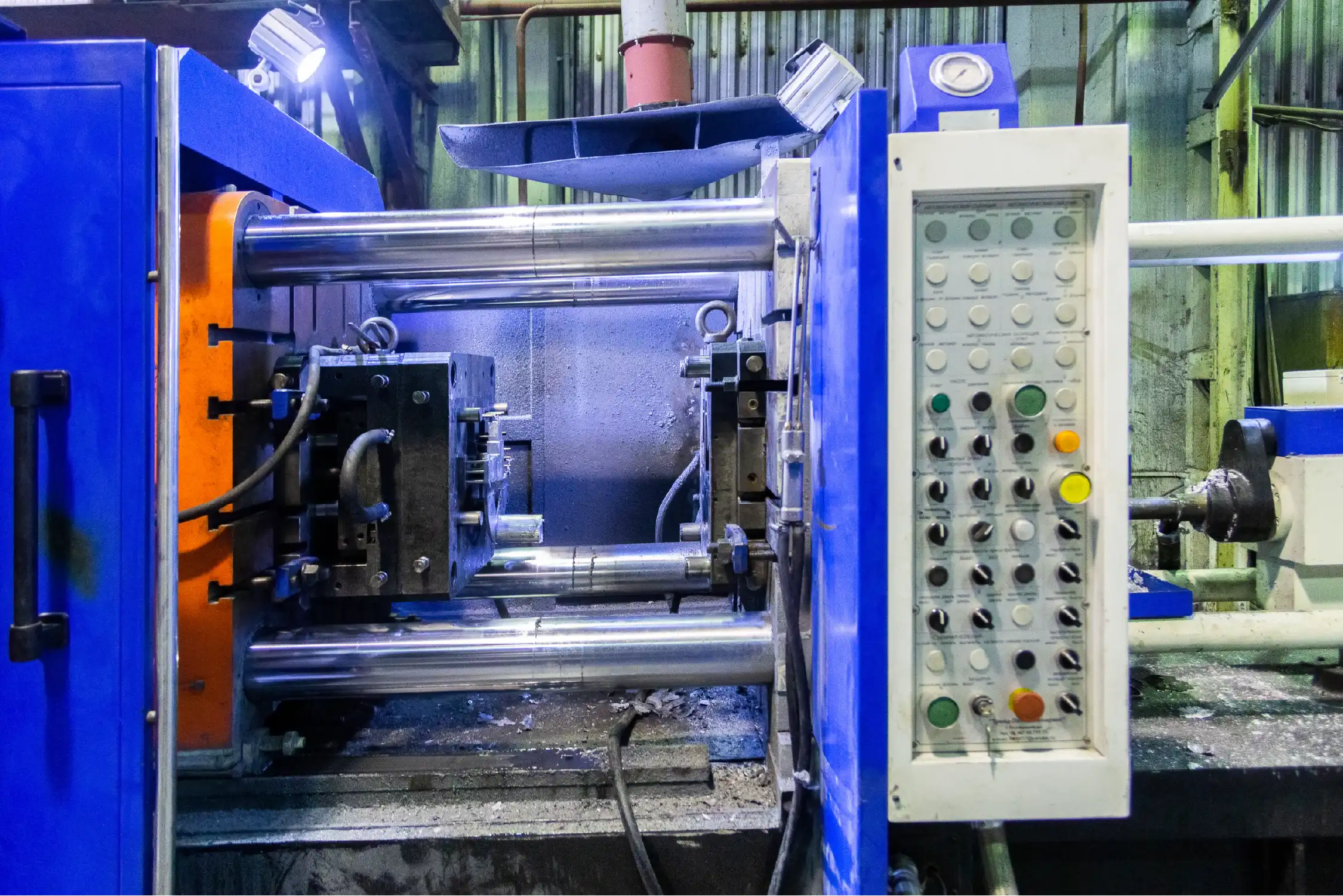
India has an established aluminium die casting industry serving automotive, EV, electrical, lighting and general engineering. Suppliers range from small and mid-sized HPDC shops to fully automated plants running machines above 1,000 T.
The useful distinction for a buyer is not who owns the biggest machine. It is whether a supplier's tonnage class, alloy handling, tool room, inspection equipment and machining depth line up with the part you are placing — and whether those machines have hours free.
Submit your componentIndicative capability based on publicly documented Indian facilities. Actual capability varies by supplier, machine configuration, component geometry and application.
| Capability | Commonly available | Available from selected suppliers |
|---|---|---|
| Die casting process | High-pressure die casting (HPDC) on cold-chamber machines | Large HPDC cells, automated casting lines and gravity die casting |
| Clamping force | ~120–650 T | 650–900 T, 1,000–1,650 T, and up to 3,000 T at a small number of facilities |
| Casting weight | Small components through roughly the 1–1.5 kg class | Up to 8 kg, with selected large-capacity plants reporting components to 12 kg |
| Common alloys | ADC12, A380, LM24, LM6 | A356, A360, AlSi10Cu2Fe, AlSi12 / AlSi12Fe, A413 and other specified grades |
| Tooling | Production dies for standard and complex HPDC components | Complex and large dies, specialised gating and cooling, high-volume tooling programmes |
| Automation | Auto ladling, spraying, extraction and production handling | Fully automated cells with integrated process monitoring |
| Machining | CNC / VMC machining, drilling, tapping and finishing | Integrated multi-operation machining cells |
| Surface finishing | Shot blasting, deburring and standard finishing | Powder coating, painting, impregnation and specialised finishes |
| Quality systems | ISO 9001 across most established die casters | IATF 16949 and other industry-specific systems |
| Inspection | Dimensional inspection and in-process checks | CMM, leak testing, X-ray / CT depending on supplier |
| Production volume | Low to high volume depending on tooling and supplier | High-volume automotive, EV and industrial programmes |
| Integrated capability | Casting plus basic finishing | Die design, casting, machining, inspection and finishing under one roof |
Choose on mechanical properties, corrosion exposure, pressure tightness, machinability and thermal behaviour — not on what is easiest to pour.
Most widely cast
Structural work
British-standard equivalent
Corrosion and flow
Selected suppliers also list A356, A360, AlSi10Cu2Fe, AlSi12 / AlSi12Fe, A413 and other application-specific grades. Confirm grade availability and melt practice before freezing the drawing.
Foundry capacity follows the automotive corridors. Each belt leans toward different part families.
Deepest automotive and EV die casting base; strongest IATF density
Long-established foundry belt; castings and machined components
Automotive and electrical castings, strongly export-oriented
Precision castings, electronics and aerospace-adjacent work
Pumps, motors and general engineering castings
Engineering castings and machined assemblies
Automotive components with machining depth
Auto components and electrical housings
Belt-by-belt strengths are drawn from where India's automotive supply base grew up; MESH platform data will confirm or correct them before publish.
Die casting fails late. Porosity, alloy drift and capacity problems usually surface after machining has already added value to the part.
What should I check before selecting a die casting supplier in India?
Confirm the machine your part will run on and the tonnage it needs, the porosity standard being quoted against, how pressure tightness will be proven, whether the tool room is in-house and who owns the die, how the melt is controlled, whether machining is in-house, and how much capacity is genuinely free.
Machine list by tonnage, tool room, inspection equipment and certification scope — recorded by a MESH audit before a die caster reaches your shortlist, so the first call is about your part rather than their brochure.
See a sample auditFrom small precision castings to large housings with machined faces.
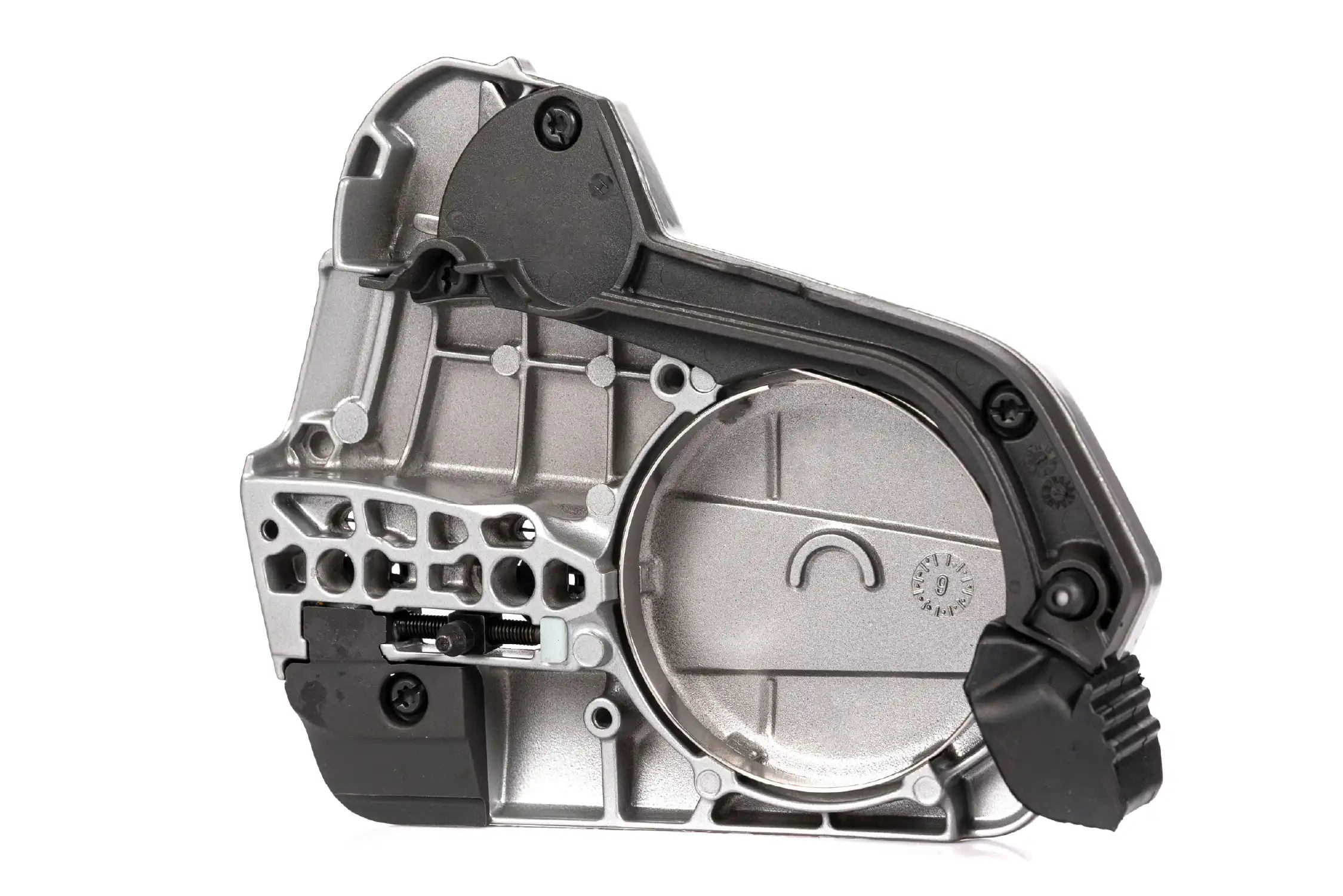
Transmission housings, brackets, covers and structural parts.
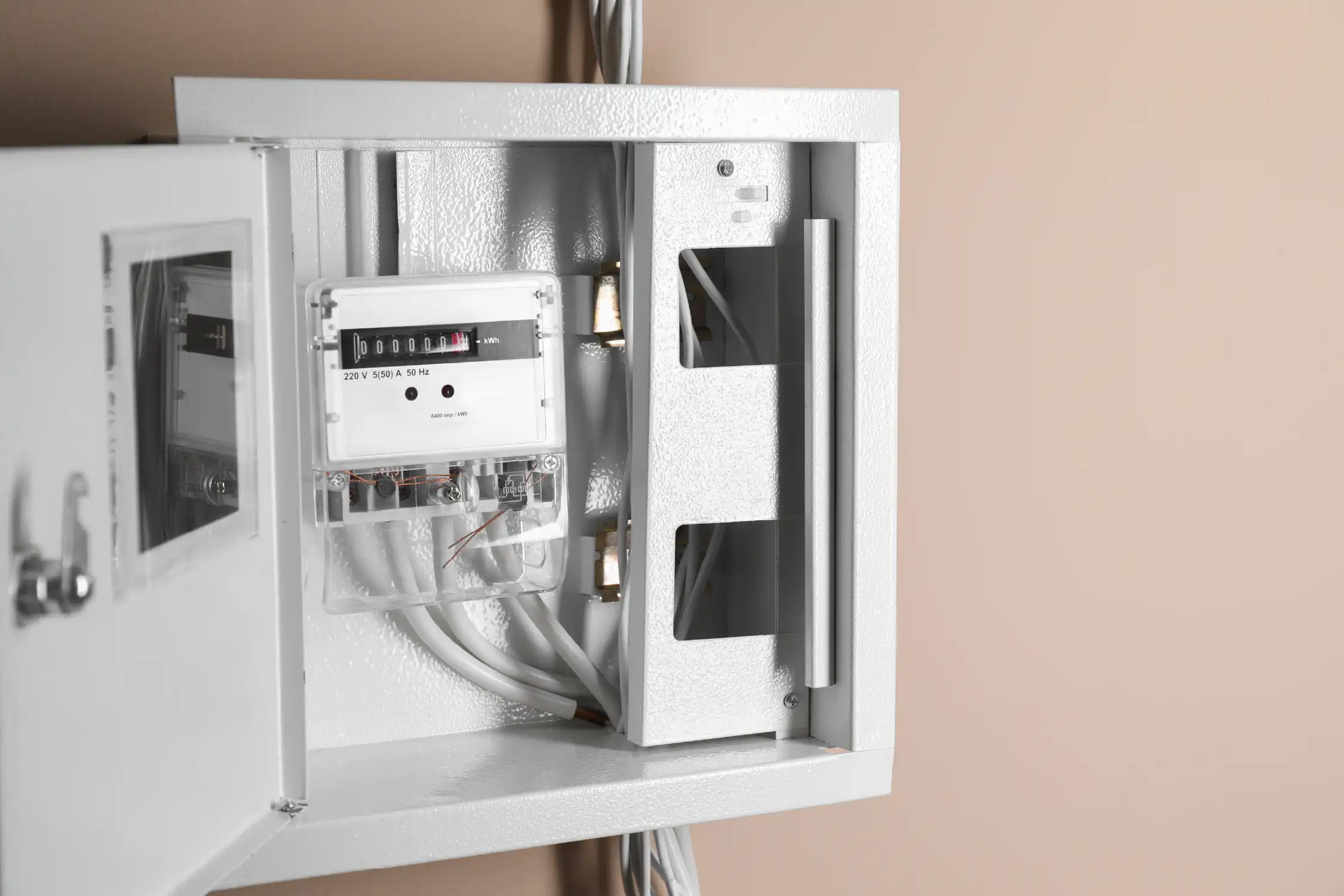
Sealed enclosures and housings for power and control equipment.
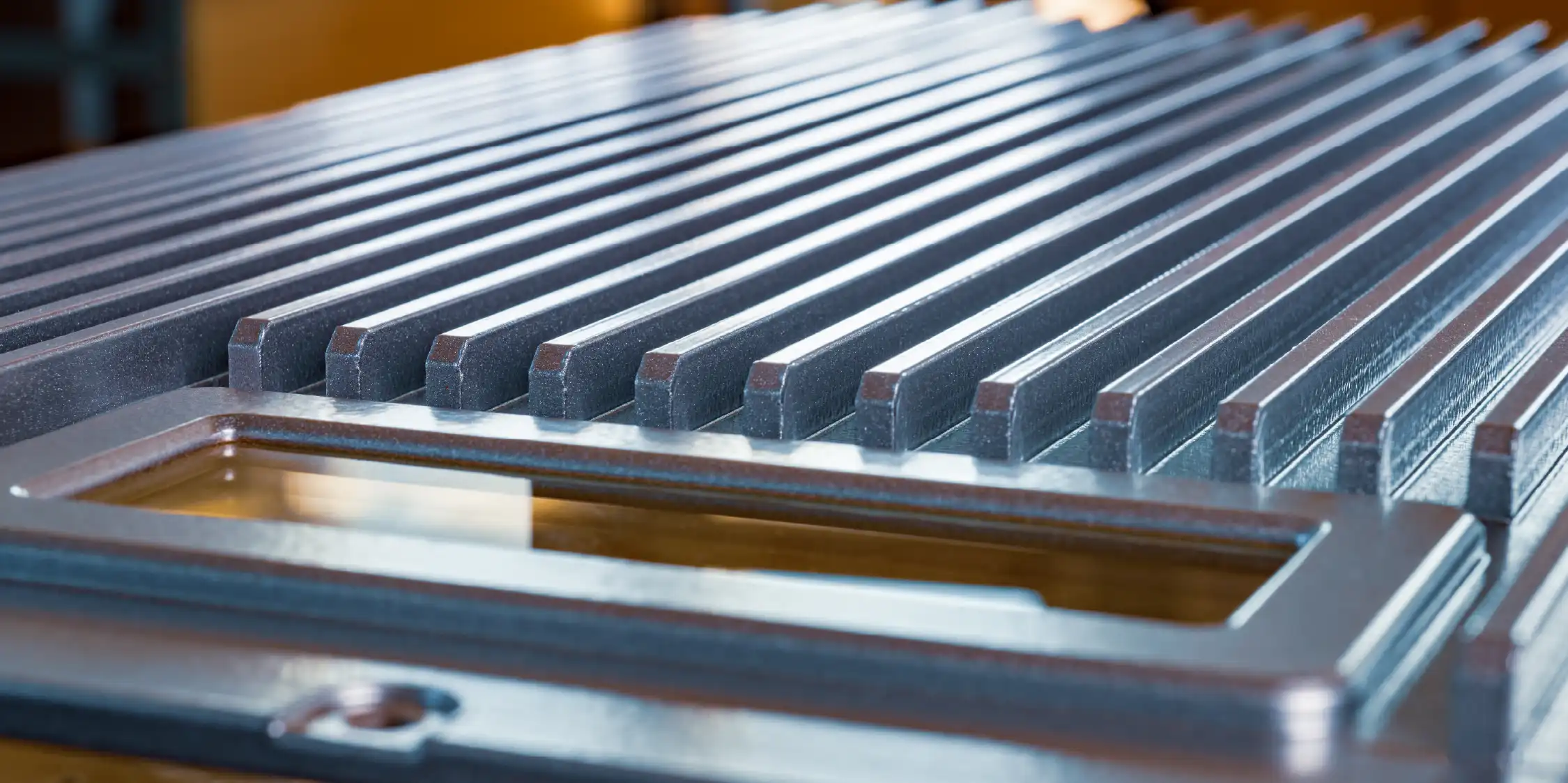
Finned die castings for power electronics and LED thermal management.
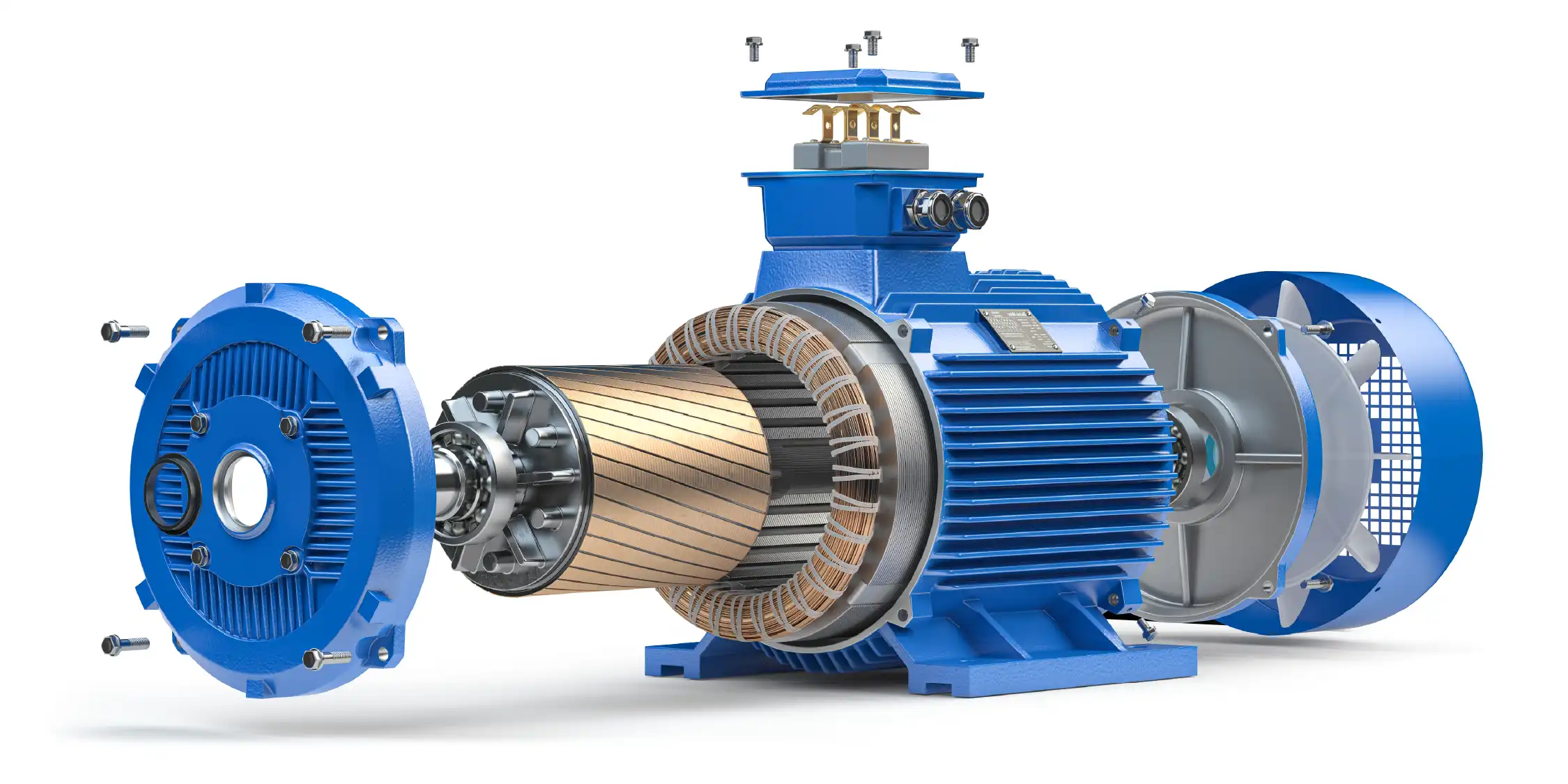
End covers, motor bodies and pump housings with machined faces.
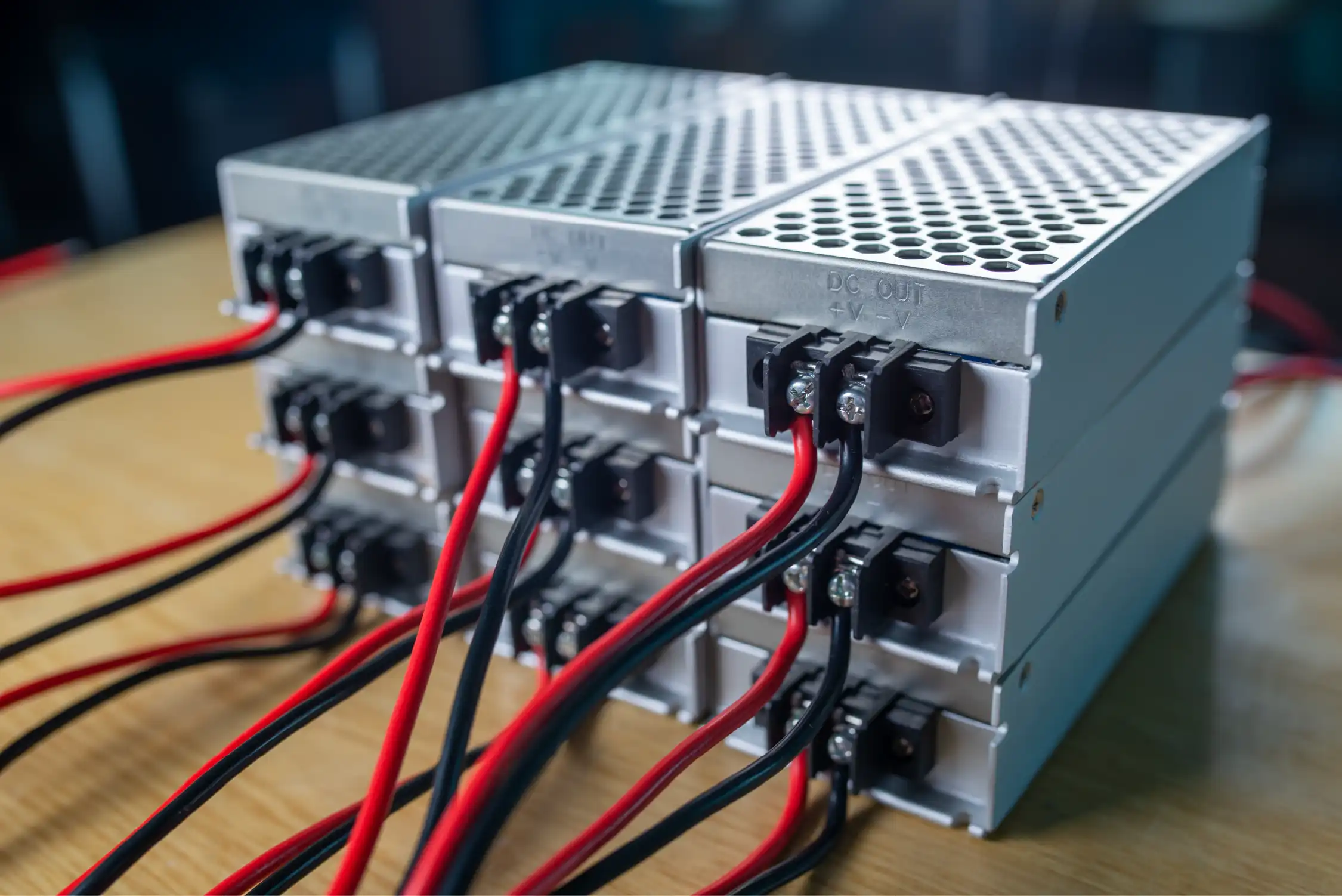
Inverter and motor housings, battery-related and cooling components.
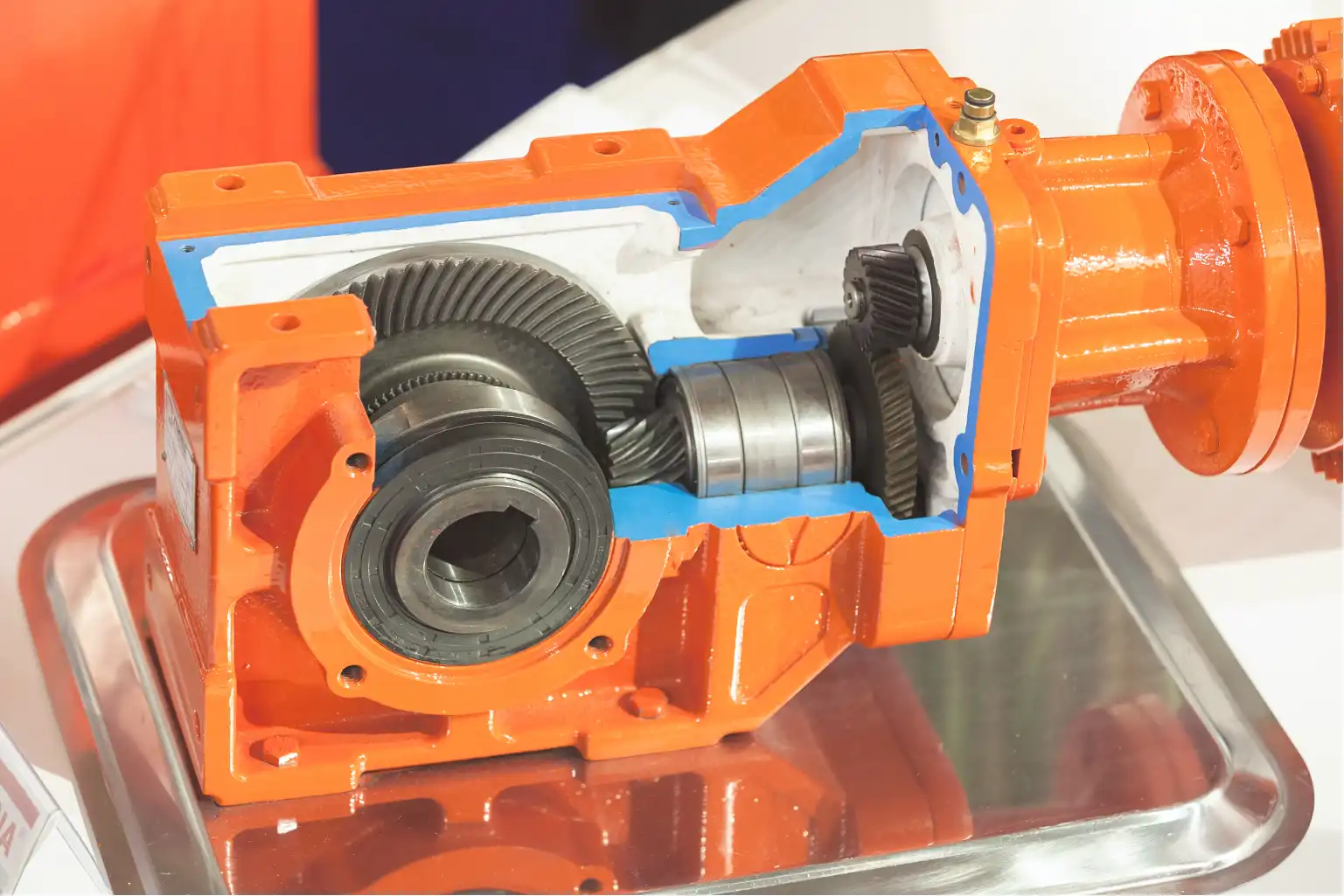
Gear housings and machine bodies with pressure-tight requirements.
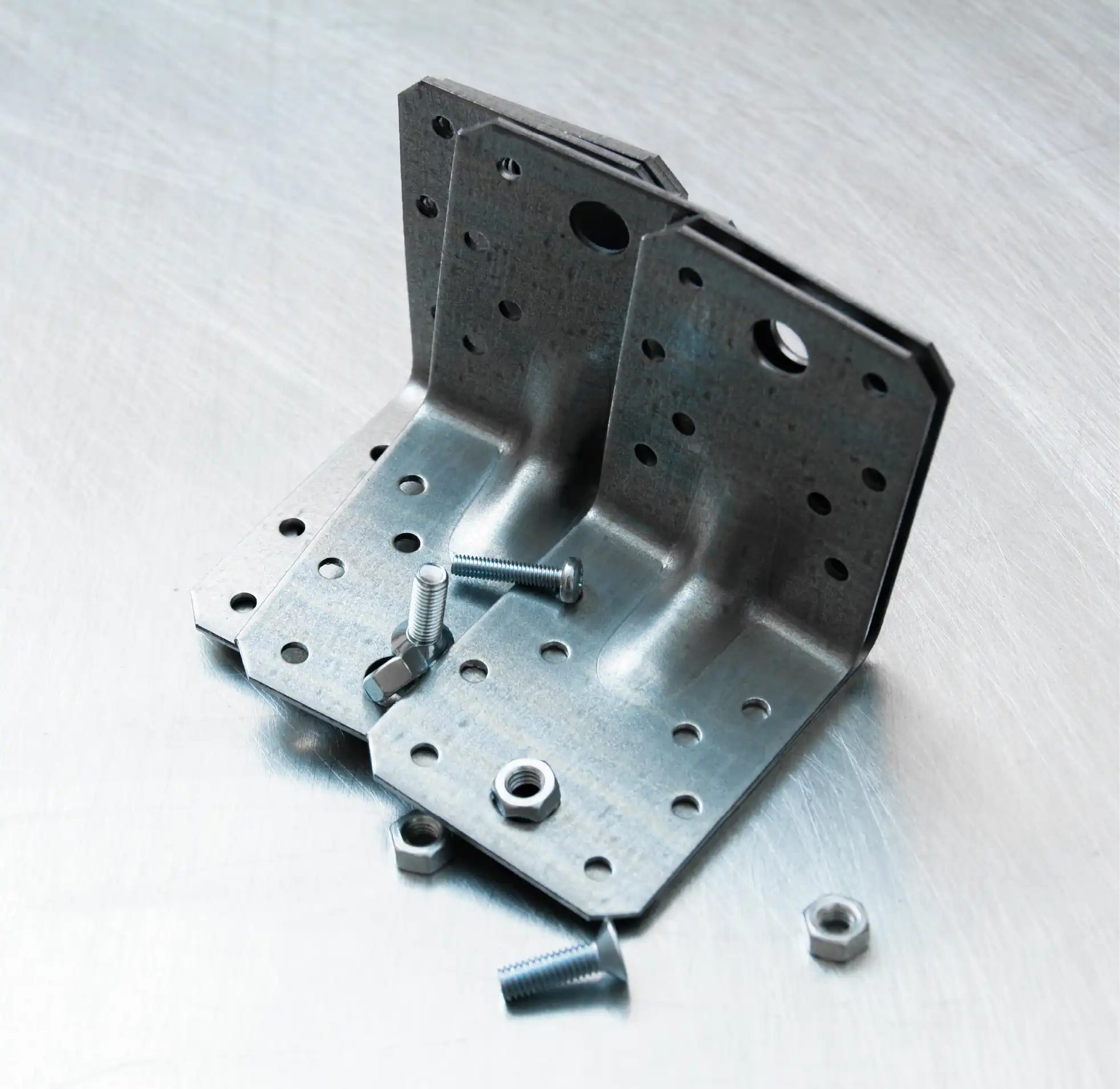
Load-bearing brackets and structural nodes in cast aluminium.
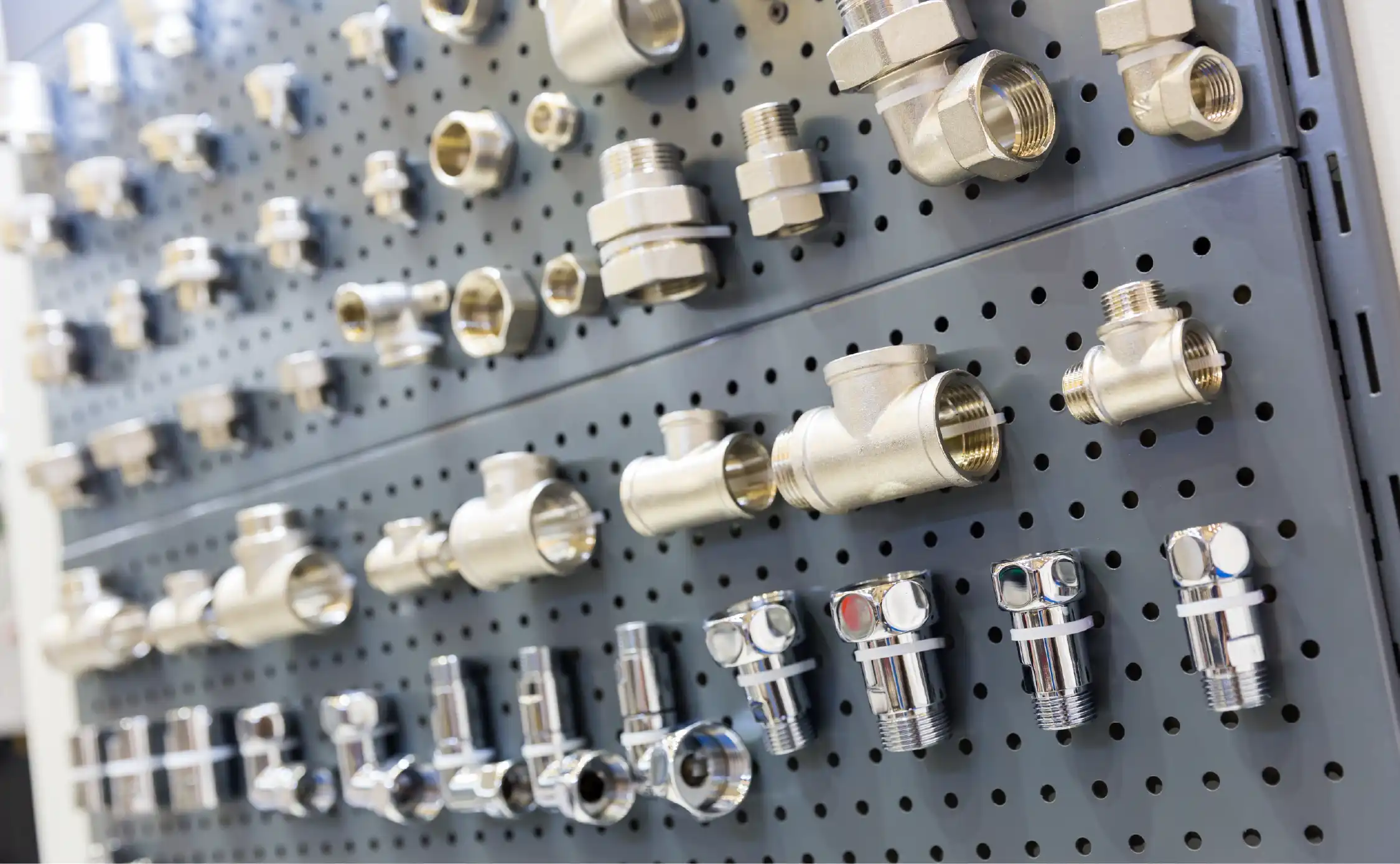
High-cavity small parts, fittings and connector bodies.
Many Indian die casters run the full chain. The question is which steps are genuinely in-house.
A casting that fails after machining has already absorbed machining cost. When casting and machining sit with one supplier, that loss is theirs to manage rather than yours to argue about.
Which operations run in-house versus subcontracted, and where scrap responsibility transfers. Get it in the PO, not the quotation email.
Neither is better in general. Volume, geometry and mechanical requirements decide which one your part belongs to.
| Factor | High-pressure die casting | Gravity die casting |
|---|---|---|
| Production volume | High-volume applications | Low to medium, sometimes high depending on the part |
| Cycle time | Fast | Generally slower |
| Surface finish | Generally good as cast | Good, depending on process control |
| Complex geometry | Strong capability, thin walls achievable | More limited by design |
| Tooling investment | Higher | Generally simpler and lower |
| Porosity behaviour | Gas porosity a known risk; vacuum assist helps | Lower gas entrapment; better for heat-treatable parts |
| Typical applications | Automotive, EV, electrical, industrial | Automotive, industrial and engineering components |
Where the work is best placed depends on casting size, volume and destination market.
| Factor | India | China | Vietnam | Mexico | USA | Poland |
|---|---|---|---|---|---|---|
| Indicative cost position (ex-works) | Low–mid | Low–mid | Low | Mid | High | Mid |
| HPDC machine depth | Broad, 120 T to 3,000 T | Deepest, including giga-press scale | Growing; smaller tonnage classes | Strong, automotive-driven | Broad | Moderate |
| Integrated machining | Widely offered with casting | Widely offered | Often separate suppliers | Widely offered | Widely offered | Widely offered |
| Automotive quality base | Deep IATF 16949 base | Deep | Developing | Deep | Deep | Deep |
| US trade exposure | Section 232 on aluminium; verify HTS | Section 232 + China-specific measures | Section 232; origin scrutiny | USMCA treatment depends on origin rules | Domestic | Section 232 |
| US transit | ~25–40 days* | ~30–45 days* | ~28–40 days* | ~2–5 days* | Domestic | — |
| EU transit | ~20–30 days* | ~30–40 days* | ~30–40 days* | — | — | ~2–4 days* |
| Best fit | Complex housings, mid-to-high volume, casting plus machining | Very large castings and highest volumes | China+1 for smaller castings | US nearshoring for automotive | Domestic supply and compliance | EU-destined production |
*Typical port-to-port ocean time. Door-to-door varies with routing, carrier and customs clearance.
Aluminium die castings from India reach these sectors most heavily.
Every supplier directory can give you a name in Pune. None of them can tell you whether your part fits the machine.
Casting weight and projected area change the machine. Leave them out and you get a guess.
From a component drawing to a verified shortlist, inside one platform.
Open MESH Works with your company account.
Create a new sourcing request from the dashboard.
Casting weight, alloy, annual volume and machining scope.
Shortlist die casters whose tonnage class fits the part.
Open the conversation and request quotations.
Molten aluminium alloy is forced under pressure into a reusable steel die, held while it solidifies, then ejected. High-pressure die casting on cold-chamber machines is the dominant method for aluminium, and suits complex, thin-walled components at volume.
Most established Indian die casters run cold-chamber HPDC machines from about 120 to 650 T. Larger cells at 650–900 T and 1,000–1,650 T are widely available from established suppliers. A small number of facilities report machines up to 3,000 T.
Everyday work sits in the small-component through roughly 1–1.5 kg class. Selected large-capacity plants report components up to 8 kg, and a smaller group to about 12 kg. Shot capacity and die size together set the limit, not a plant slogan.
ADC12, A380, LM24 and LM6 are the alloys most Indian die casters run every day. Selected suppliers also list A356, A360, AlSi10Cu2Fe, AlSi12 / AlSi12Fe, A413 and other application-specific grades. Confirm grade availability and melt practice before freezing the drawing.
Clamping force is set by the projected area of the casting — the shadow it throws on the parting plane, including runners and overflows — multiplied by the intensification pressure used to fill the die, plus a safety margin. Projected area is not length × width: a housing with a large bore may fill only half its bounding rectangle. Use the machine sizer on this page, then confirm against the drawing with the supplier.
Porosity is the single biggest cause of die-cast rejections after machining. Alloy chemistry drift, an undersized machine, leak paths that only show up on test, and machining a casting that was never pressure-tight all surface after value has already been added. Ask for a written porosity standard, melt records and how leak testing is actually run.
Yes. CNC / VMC machining, drilling, tapping and finishing are commonly offered with the casting. Selected plants run integrated multi-operation machining cells, CMM and leak testing under one roof. Confirm which operations are in-house versus subcontracted, and who carries the cost when a casting fails after machining.
High-pressure die casting suits high-volume, thin-wall, complex aluminium parts with a faster cycle and a higher tooling investment. Gravity die casting is generally slower, more limited by geometry, and often a better fit for lower to medium volumes and heat-treatable alloys. Volume, geometry and mechanical requirements decide which one your part belongs to.
A 3D model and 2D drawing with tolerances, aluminium alloy and temper, approximate casting weight, projected area if known, wall thickness and draft, surface-finish and leak or pressure-tightness requirements, annual volume and order frequency, first-order quantity, destination and Incoterm, and whether the die is new or existing — plus porosity standard, inspection and PPAP requirements.
ISO 9001 across most established die casters. IATF 16949 and other industry-specific systems from selected plants. Ask for certificate scope and expiry, and what inspection equipment an engineer actually saw on the floor — not only the badge.
Tell us the component, the alloy and the volume. We come back with Indian die casters whose tonnage class, tool room and machining actually fit it.
Find die casting suppliersCast, machined, verified.