Asia-US container rates are staying firm even as demand cools, with carriers pushing November rate hikes and uncertainty rising around a potential LA–Long Beach strike.
Asia-US container rates are holding firm even as demand cools, as ocean carriers push for November rate hikes of $3,000.
The outlook for Asia–US import flows is also being shaped by uncertainty tied to a potential strike at the Los Angeles–Long Beach port complex, a major US gateway. Together, attempted increases in ocean freight rates and labor-risk uncertainty are keeping conditions unsettled for shippers planning peak-season and year-end moves.
What’s happening with Asia-US container rates
Asia-US container rates have remained firm despite signs of cooling demand. At the same time, ocean carriers are seeking November rate hikes of $3,000.
For shippers, the combination can translate into near-term pricing pressure even without a clear demand-driven surge. The attempted increases are a reminder that carrier pricing actions can move independently of spot demand signals, especially when capacity and network decisions are in flux.
Why November rate hikes are back on the table
Carriers are pursuing November rate hikes as part of efforts to lift pricing on Asia–US lanes. The proposed $3,000 increase is being positioned for the November window.
Whether the full increase sticks can vary by shipper profile, contract structure, and routing, but the push itself is influencing negotiations and near-term booking decisions. For procurement and logistics teams, this is a period where rate quotes and surcharges can change quickly as carriers test the market.
LA–Long Beach strike risk adds uncertainty for container shipping
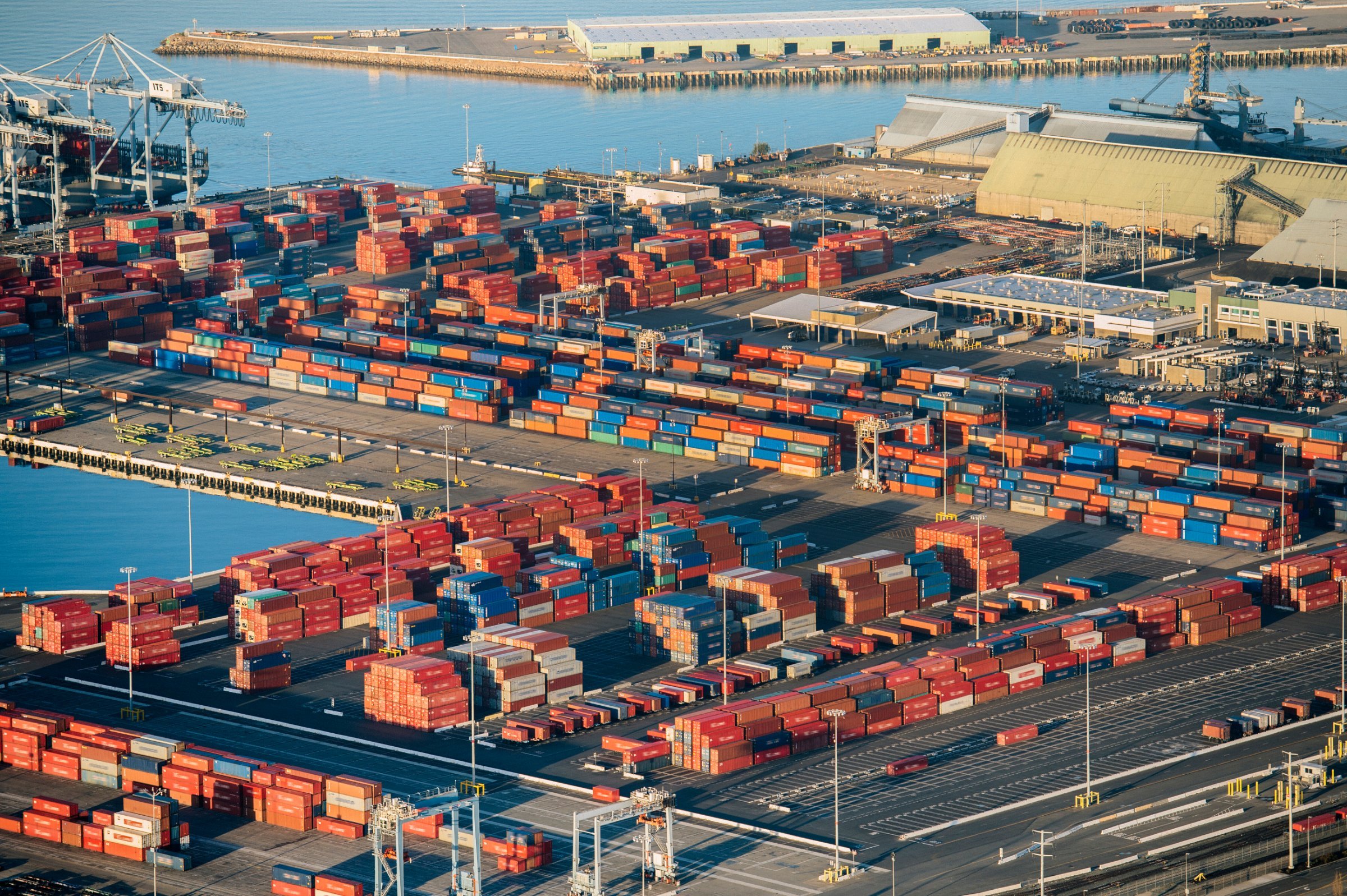
Uncertainty tied to a potential strike at the Los Angeles–Long Beach port complex is adding another layer of risk to Asia–US container shipping. The port complex is a key US import gateway, so any labor disruption could ripple through schedules and capacity.
Even the possibility of disruption can affect shipper behavior, including earlier bookings, contingency routing, and changes to inventory timing. That uncertainty is contributing to unsettled market conditions alongside the attempted rate hikes.
Who is most exposed to ocean freight rates and disruption risk
Importers moving goods from Asia into the United States are directly exposed, particularly those reliant on the US West Coast gateway through Los Angeles–Long Beach. Retail and manufacturing shippers with time-sensitive replenishment cycles can be especially vulnerable to schedule variability.
Logistics teams managing multi-leg supply chains may also see knock-on effects if port uncertainty leads to bunching, rolled bookings, or reduced schedule reliability. In that environment, landed-cost planning becomes harder as both freight pricing and transit-time risk can shift at the same time.
What happens next for November pricing and routing decisions
The near-term focus is on whether carriers can secure the November rate hikes they are seeking and how shippers respond in booking patterns. In parallel, the potential for labor action at LA–Long Beach remains a key swing factor for routing and capacity planning.
Shippers may need to make decisions with incomplete certainty: locking in space earlier, evaluating alternate routings, and stress-testing delivery windows. The practical challenge is balancing cost control against the risk of disruption-driven delays.
Key takeaways
Asia-US container rates are holding firm even as demand cools.
Ocean carriers are seeking November rate hikes of $3,000.
A potential LA–Long Beach strike is adding uncertainty to Asia–US import planning.
The mix of pricing actions and labor-risk uncertainty is keeping market conditions unsettled for shippers.
What this means for manufacturers and sourcing teams
What this means for manufacturers and sourcing teams: Model landed-cost scenarios that include the proposed November rate hikes and review how much exposure sits on Asia–US lanes. For inbound flows routed through LA–Long Beach, validate contingency routings and confirm how quickly forwarders and carriers can shift bookings if disruption risk rises. Consider modest buffer inventory for critical SKUs where schedule reliability matters more than freight cost. Ensure internal teams can quickly compare quotes and routing options in one place (including in MESH Works) as ocean freight rates and availability change.