US
Section 232 — aluminium import tariffs
Additional US duties apply to aluminium and certain aluminium products, regardless of origin. Rate and product coverage change, so check the current HTS code before comparing quotes.
The deepest extrusion capacity in the world — and the most complex duty position for US and EU buyers. Compare verified Chinese extruders on capability and landed cost, not ex-works price.
Eight inputs decide which presses can actually quote your part.
Chinese extrusion often wins on ex-works price and loses at the border. What a US or EU buyer actually pays depends on duties that apply to Chinese aluminium specifically.
Is it cheaper to source aluminium extrusions from China?
China can often offer lower prices than other countries — but the factory price is not the only cost. Buyers also carry import duty, anti-dumping duty, freight and other border charges, and extrusions entering the US or EU can pick up duties that change the ranking completely. For destinations with little or no extra duty on Chinese aluminium, China is often the most competitive option available.
Section 232, the 2011 AD/CVD orders and Section 301 can all apply to the same shipment.
Bar lengths show how cost layers stack, not actual rates. Duty rates vary by HTS or CN code, exporter and origin — verify them before comparing quotes.
Additional US duties apply to aluminium and certain aluminium products, regardless of origin. Rate and product coverage change, so check the current HTS code before comparing quotes.
Orders on aluminium extrusions from China have been in force since 2011. They sit on top of ordinary import duty and are a separate charge from Section 232.
Additional tariffs can apply to goods imported from China depending on the HTS line. Confirm whether your extrusion, or a derivative of it, is on the current list.
The EU applies an anti-dumping duty to certain aluminium extrusions from China. The rate can differ by exporter, so one “China duty” figure is not safe to reuse across suppliers.
Aluminium is covered by the EU carbon border levy. For EU-bound purchases, ask for embedded-emissions data during the RFQ, not after the order is placed.
China has the largest aluminium extrusion industry in the world, with suppliers running everything from mid-size commercial presses to some of the largest extrusion presses built. Common alloys include 6063, 6061 and 6082, with profiles made to GB/T standards domestically and to EN or ASTM standards for export. Many suppliers integrate machining, welding, finishing and assembly, so buyers can source finished components rather than bare profiles.
Tell us the profile, alloy, volume and destination. We come back with verified extruders — factory, not trader — whose presses and processes actually match it.
Submit your requirementStandard capability is broad. The top end — very large presses, specialist alloys, full assembly — sits with a smaller group of suppliers.
| Capability | Commonly available | Available from selected suppliers |
|---|---|---|
| Press capacity | ~600–2,500 T | 5,000 T and above, including some of the world’s largest extrusion presses |
| Profile types | Solid, hollow, semi-hollow | Very large and complex multi-hollow sections |
| Common alloys | 6063, 6061, 6082, 6005A | 6101 electrical and aerospace-grade alloys from selected suppliers |
| Profile size | Supplier- and press-dependent | Very large circumscribing circles on large-tonnage presses |
| Standards / tolerances | GB/T 5237 (architectural), GB/T 6892 (industrial); EN 755, EN 12020 and ASTM B221 on request | Tighter tolerances by specification |
| Surface finishing | Mill finish, anodising, powder coating, electrophoretic | PVDF, wood-grain transfer and other specialty finishes |
| Downstream processing | Cutting, drilling, punching | CNC machining, bending, friction-stir welding and full assembly |
| Die development | Commonly 1–3 weeks from die approval | Expedited dies may be available |
| MOQ | Commonly ~500 kg per profile per run | Lower quantities via stock profiles or trading companies |
| Quality systems | ISO 9001 widely available | IATF 16949, ISO 14001, Qualicoat and the ASI Performance Standard, held by leading exporters |
Capacity is concentrated, and each region leans toward a different kind of work.
Largest concentration; architectural and general industrial profiles.
Electronics enclosures, heat sinks and consumer products.
Large integrated producers; industrial and transport profiles.
Very large presses; rail, heavy industrial and structural work.
Precision profiles, EV battery trays and automotive.
Architectural and building-systems profiles.
Upstream aluminium and general industrial extrusion.
Northern producers with northern port access.
China's real advantage is integration. Many extruders take a part from billet to assembly under one roof.
One supplier instead of four means fewer handoffs, one quality owner and one freight movement. For a machined or welded part, that is often a bigger saving than the extrusion price itself.
Which steps are genuinely in-house, and which are subcontracted. Quality responsibility follows that line — and a subcontracted step is where a defect is hardest to trace.
In China the hard questions are less about capability and more about who you are really dealing with — and what happens after you pay.
How do I evaluate an aluminium extrusion supplier in China?
Confirm it is the factory and not a trader. Identify the press that will run your profile. Secure die ownership and release terms. Verify billet certification. Protect the design with an NNN agreement. Document country of origin. Tie the final payment to an independent pre-shipment inspection.
From standard sections to very large, complex profiles on the biggest presses.
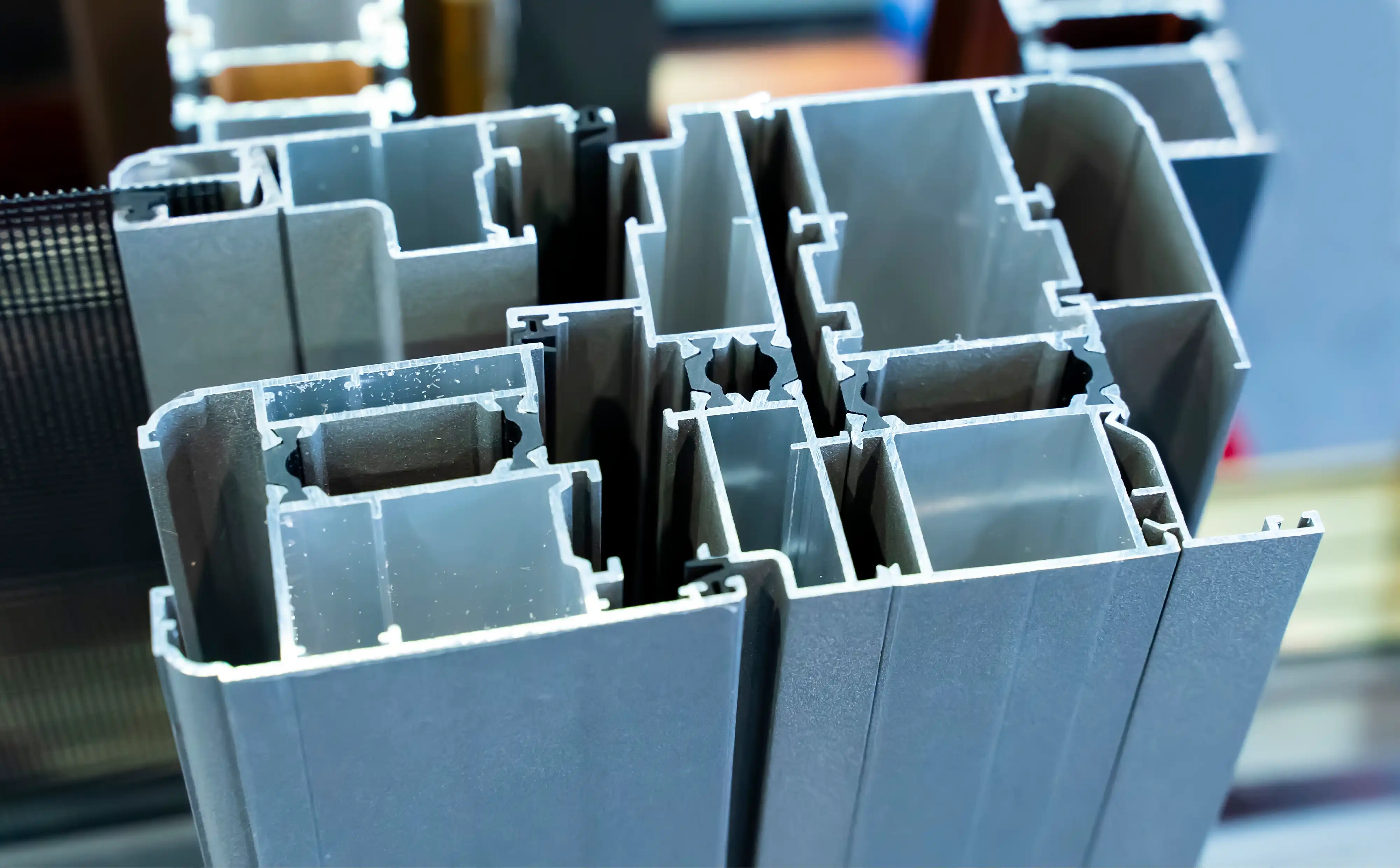
Bespoke sections from your drawing, often with the die ready inside three weeks.
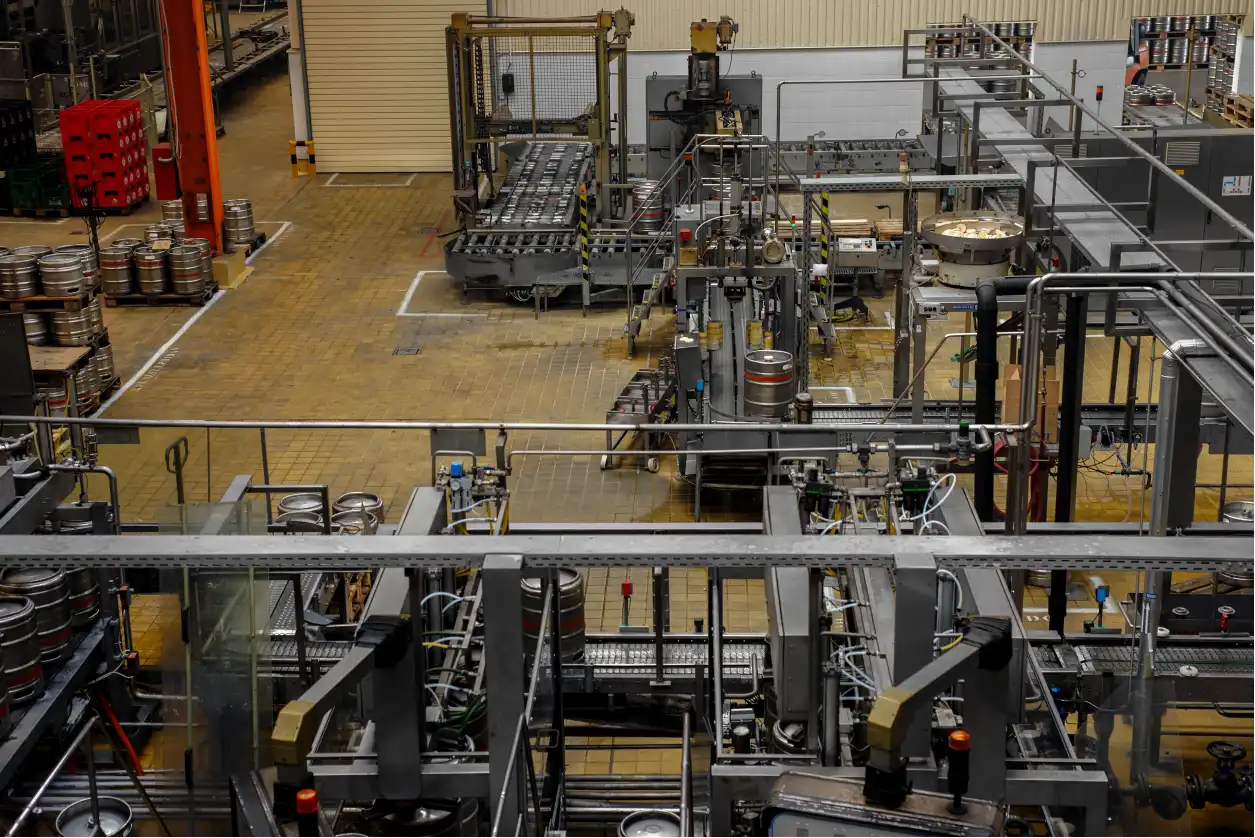
Machine-frame, conveyor and automation sections at high volume.
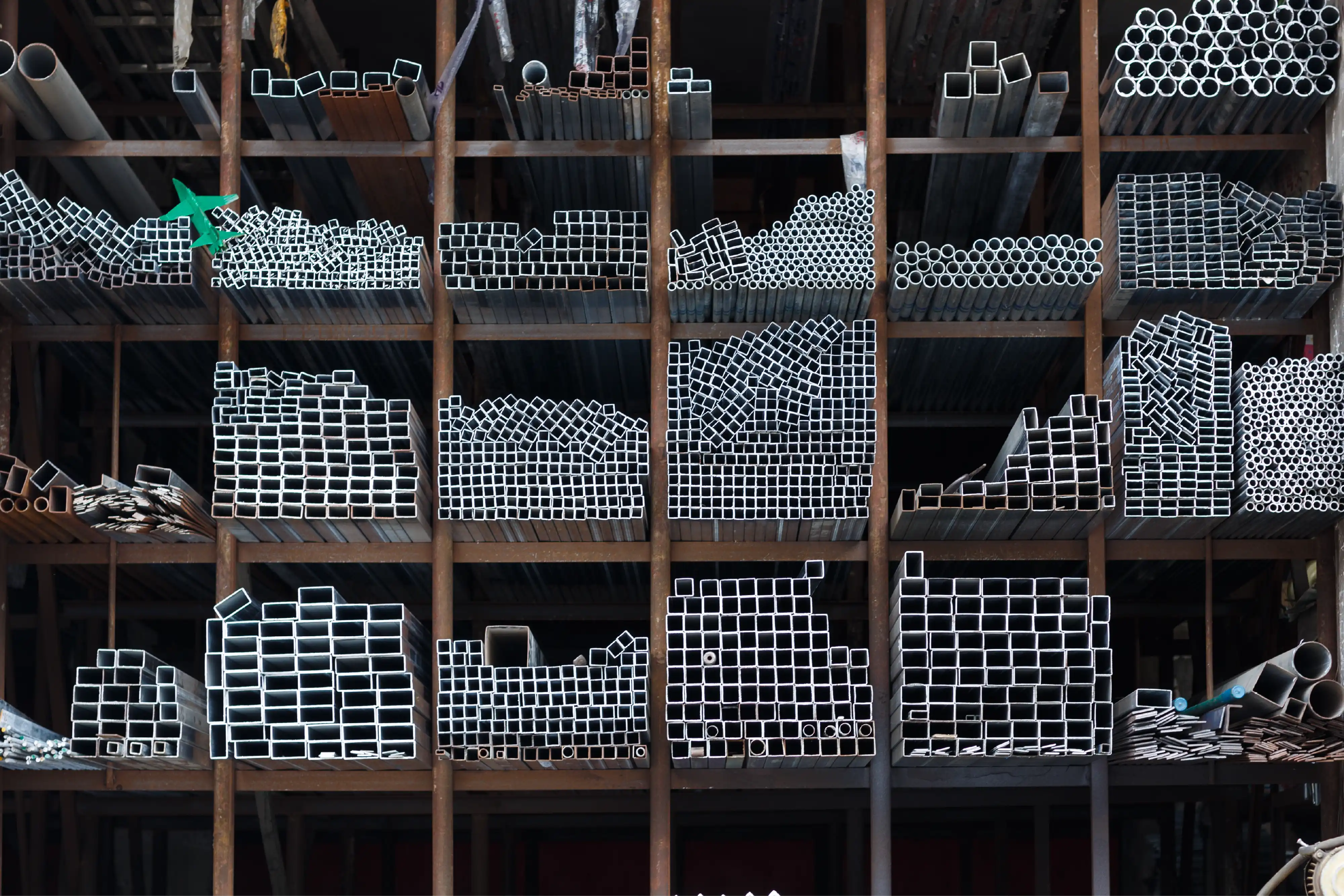
Seamless and porthole tubes, including thin-wall stock.
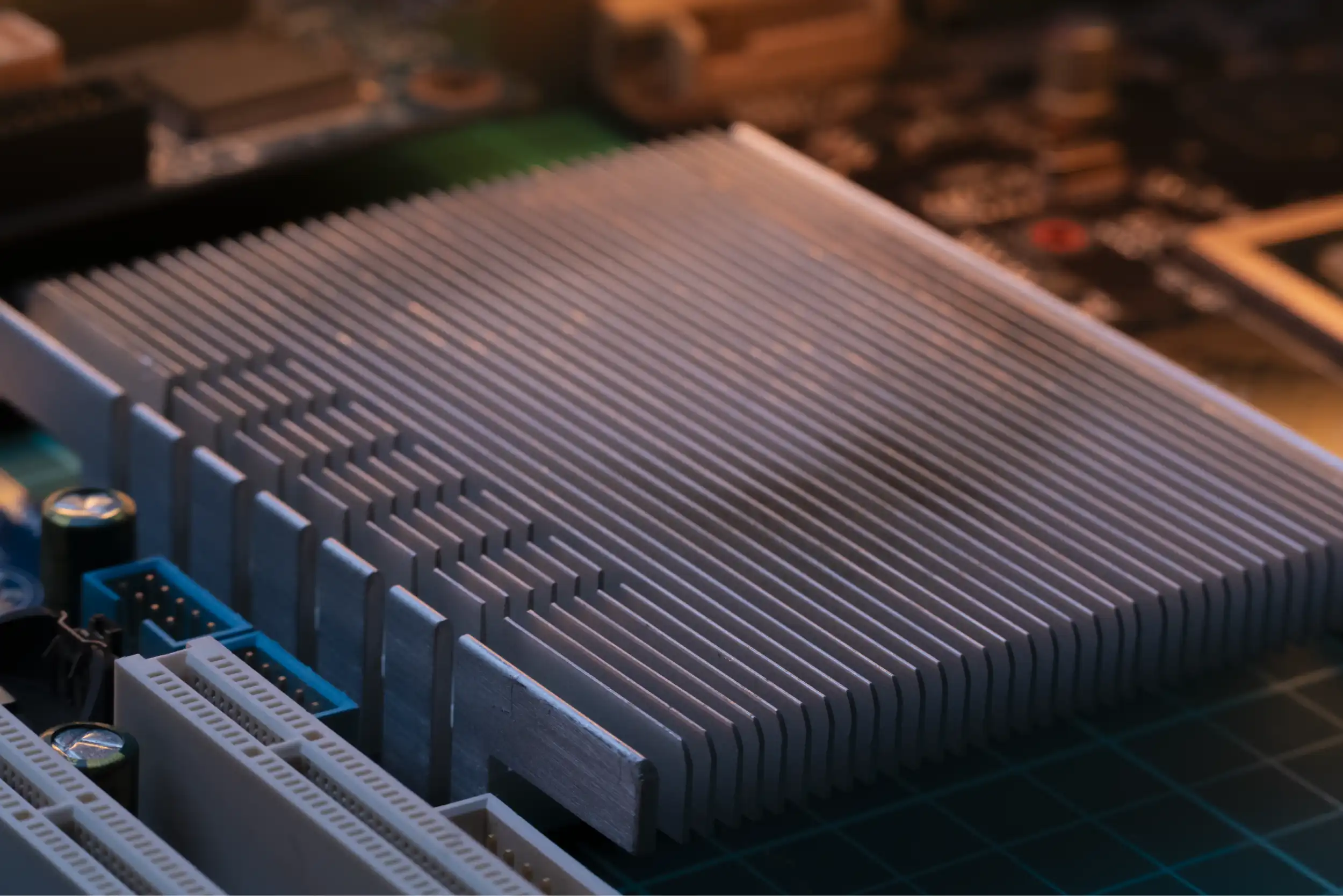
High-fin-ratio heat sinks for power and LED electronics.
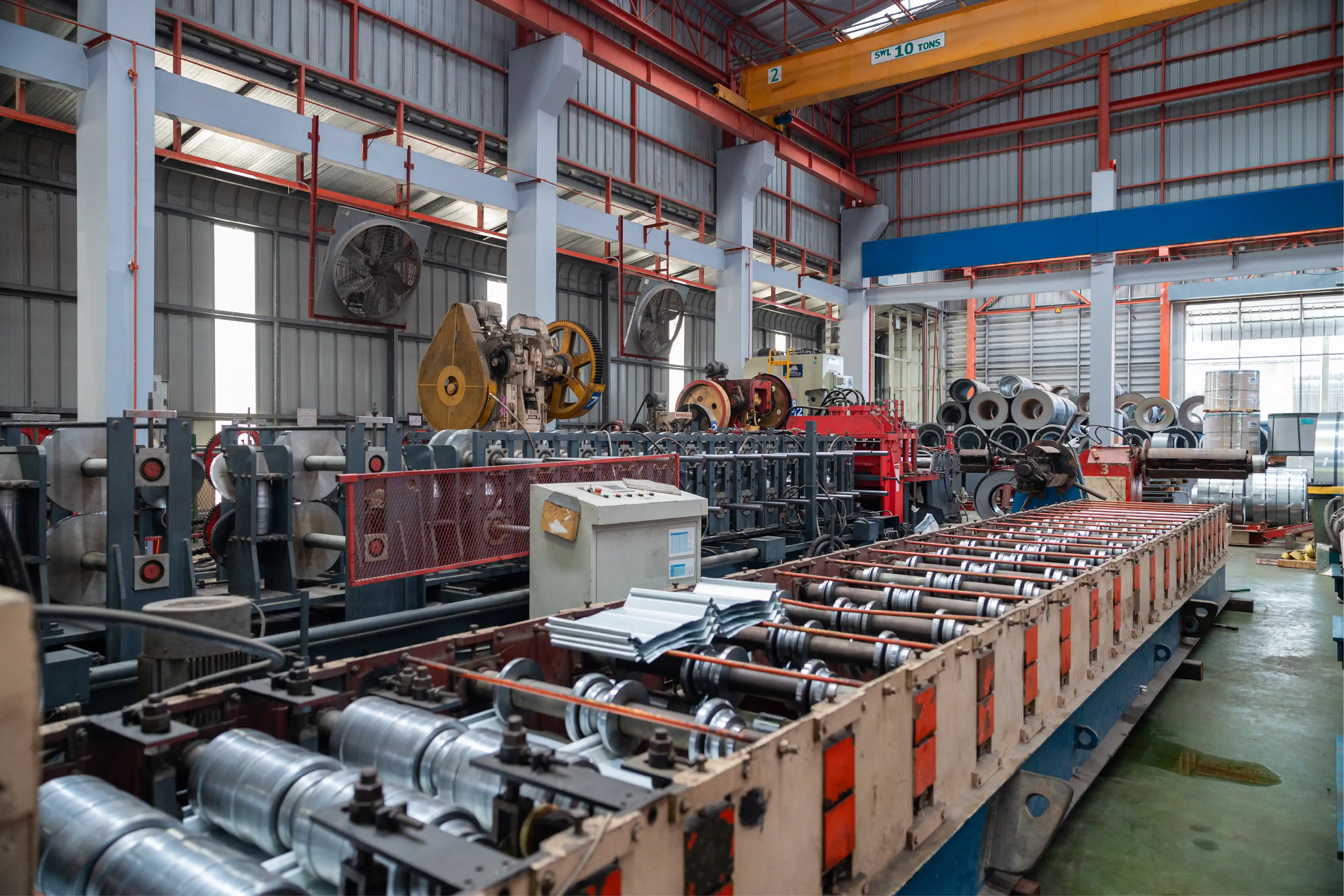
Wide, heavy sections from large-tonnage presses.
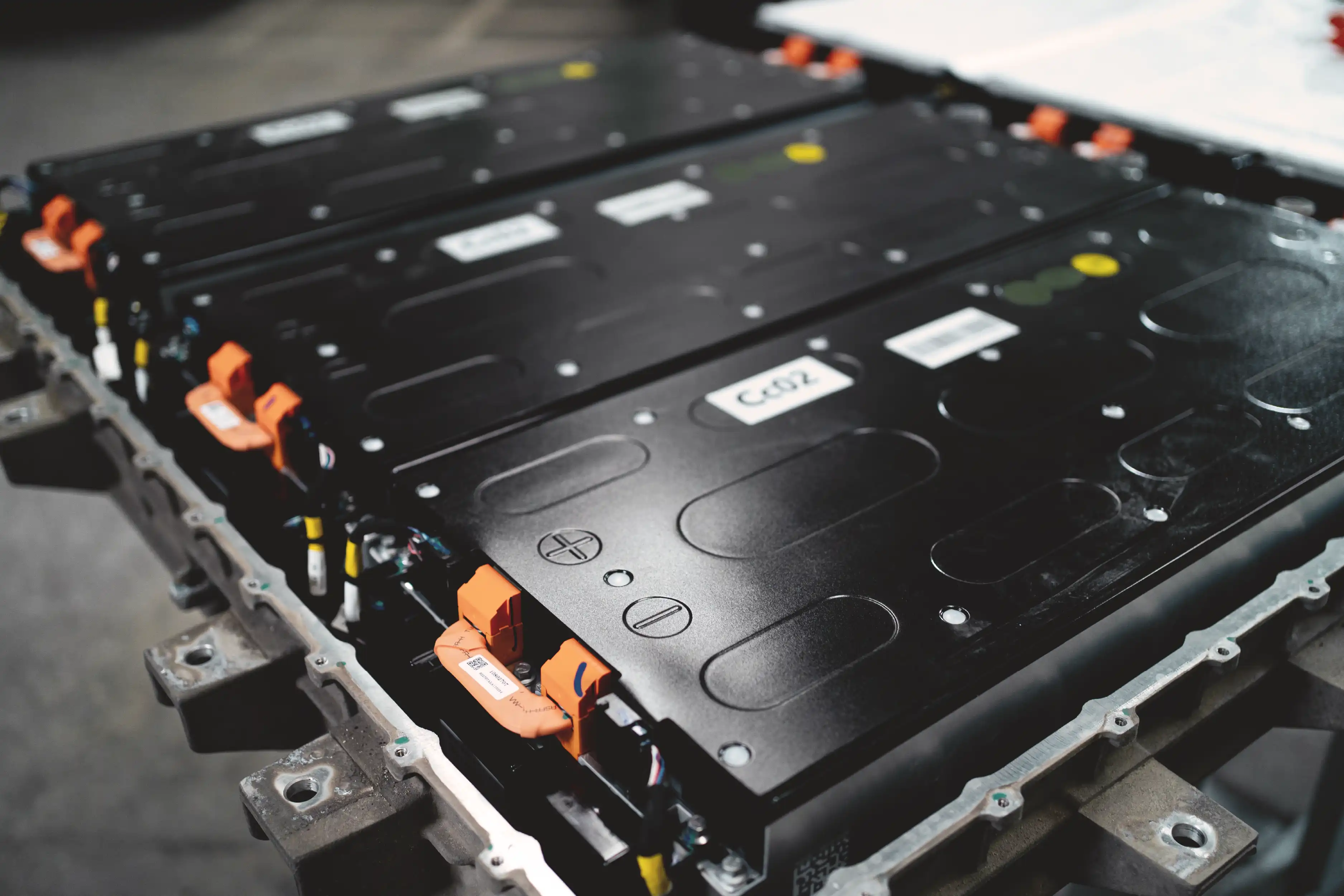
Battery trays, crash management and body-structure profiles.
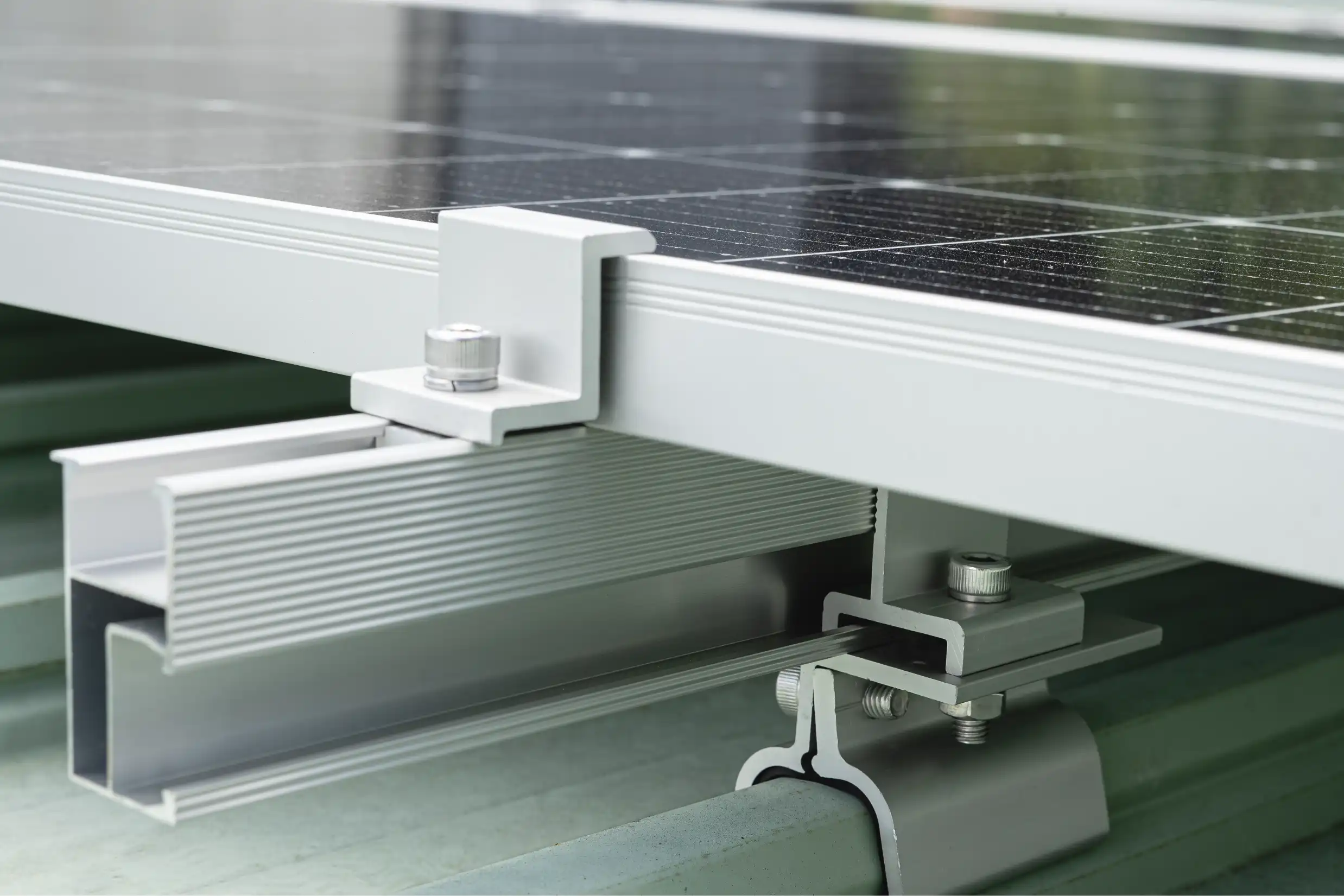
Mounting rails and frames — one of China’s highest-volume extrusion categories.
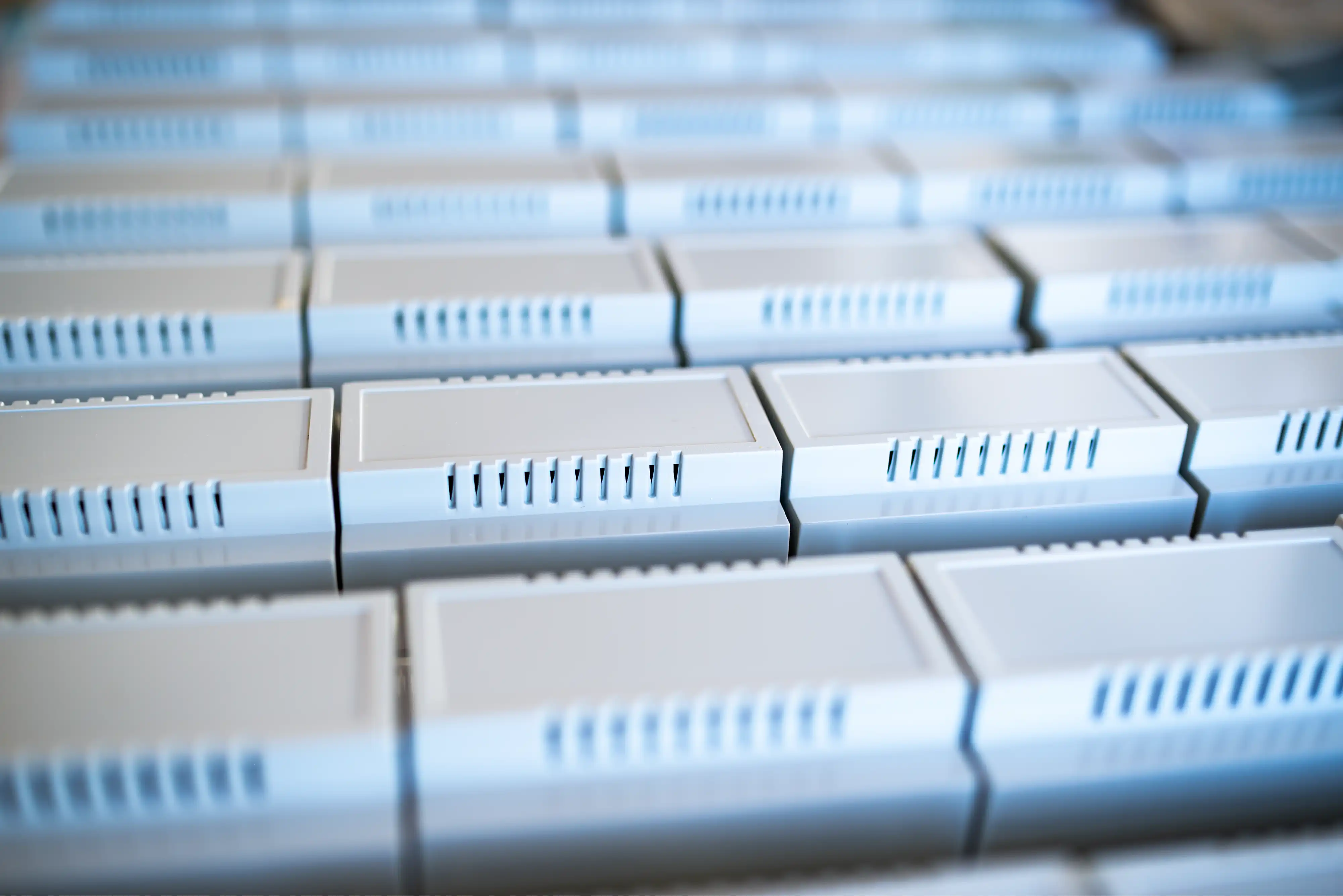
Busbars and enclosures in 6101 conductive alloy.
China leads on depth and tooling speed. Whether it wins depends on where the parts are going.
| Factor | China | India | Vietnam | Mexico | USA | Poland |
|---|---|---|---|---|---|---|
| Indicative cost position (ex-works) | Low–mid | Low–mid | Low–mid | Mid | High | Mid |
| Press & supplier depth | Very deep | Broad | Growing | Moderate | Broad | Moderate |
| Tooling speed | Fast | Competitive | Competitive | Moderate | Moderate–slow | Moderate |
| US trade exposure | Section 232 + 2011 AD/CVD orders; Section 301 may also apply by HTS | Section 232; 2024 AD/CVD investigation ended negative, no new orders | Section 232 + origin documentation | USMCA treatment depends on production origin; Section 232 still applies | Domestic | Section 232 / US–EU treatment applies |
| EU trade exposure | EU anti-dumping duty on Chinese extrusions + CBAM | CBAM | CBAM | CBAM | Not normally preferred for EU supply | Intra-EU supply; CBAM generally not applicable to intra-EU movement |
| US transit | ~30–45 days* | ~25–40 days* | ~28–40 days* | ~2–5 days* | Domestic | Not normally preferred |
| EU transit | ~30–40 days* | ~20–30 days* | ~30–40 days* | Not normally preferred | Not normally preferred | ~2–4 days* |
| Best fit | Very high volumes, large or complex profiles, fast tooling | Custom tooling, competitive-cost volumes | China+1 diversification | US nearshoring | Domestic supply and replenishment | EU-destined production |
*Typical port-to-port ocean time. Door-to-door depends on routing, carrier and customs clearance — and Chinese New Year shutdowns can add two to four weeks.
Browse verified manufacturing and extrusion suppliers by region, capability and process — not only in China.
Explore suppliersFinding a Chinese aluminium profile factory takes minutes. Knowing whether it is really a factory — and what it will cost you landed — is the work.
Leave out the standard or the destination and you'll get a GB/T price for the wrong market.
What should I include in an aluminium extrusion RFQ to China?
The profile drawing, alloy and temper, the tolerance standard, finish, annual volume and destination. State the standard explicitly — Chinese suppliers default to GB/T unless told otherwise — and state the destination, because it changes which duties apply.
Your first verified Chinese shortlist, without leaving the platform.
Use your company MESH Works login.
Start a new sourcing request.
Profile, alloy, volume, finish and destination market.
Choose from matched, verified Chinese extruders.
Message your shortlist and ask for quotes.
Yes, and they stack. Section 232 aluminium duties apply regardless of origin. On top of that, antidumping and countervailing duty orders on aluminium extrusions from China have been in force since 2011, and Section 301 tariffs cover many Chinese HTS lines. Rates and scope change, so confirm the current treatment for your specific HTS code before comparing a Chinese quote with any other.
The EU applies an anti-dumping duty to certain aluminium extrusions from China, in addition to the normal import duty. Aluminium also sits inside the EU Carbon Border Adjustment Mechanism, so ask for embedded-emissions data with the quote. Confirm the CN code and whether your profile is inside the current anti-dumping scope before you treat a Chinese ex-works price as the landed price.
Ask for the business-licence scope that names extrusion production, a factory address that matches it, and a live video walk of the press line. Trading companies are not automatically a problem — many handle export well — but you should know who owns the press, the die and the quality record before you pay a deposit.
A standard profile commonly takes one to three weeks from die approval, and some plants will expedite that. Add trial extrusion and dimensional sign-off, then production and ocean transit of roughly 30–45 days to the US or 30–40 days to the EU. If the order crosses Chinese New Year, shutdowns can add two to four weeks.
Around 500 kg per profile per run is the figure most plants quote. Lower quantities are sometimes available through stock profiles or a trading company, and selected presses will take a smaller lot. MOQ is set by die-changeover time, so confirm it against your profile rather than a catalogue number.
6063, 6061, 6082 and 6005A are widely available. 6101 for electrical work, and aerospace-grade alloys, come from selected suppliers. Ask for a mill certificate with chemistry per heat, and whether the billet is primary or recycled — alloy substitution is a quiet way a quote gets cheaper.
Domestic work defaults to GB/T 5237 for architectural profiles and GB/T 6892 for industrial profiles. Export profiles can be made to EN 755, EN 12020 and ASTM B221, but only if the RFQ names the standard. If you leave it unstated, you will be quoted to GB/T.
A Western NDA on its own protects very little. Use an NNN agreement — non-use, non-disclosure and non-circumvention — drafted under Chinese law, in Chinese, and enforceable in China. Pair it with written die-ownership terms and a release clause if you later move production.
Yes. Many Chinese extruders cut, machine, drill, bend, friction-stir weld, finish and assemble under one roof or through named partners. Confirm which of those steps are genuinely in-house. Quality responsibility follows that line, and a subcontracted step is where a defect is hardest to trace.
A common term is 30% with the order and 70% before shipment. Tie the balance to an independent pre-shipment inspection and release it only after the inspection passes. Once the balance is paid and the goods have left port, your leverage has gone with them.
Verified Chinese extruders, matched to your profile — with the landed-cost picture in view before you award.
Find extrusion suppliersFactory, not trader.