China extended for two months its suspension of a 24% tariff on US goods and port fees on US ships, keeping temporary cost relief in place for China-US trade and shipping.
China extended its China tariff suspension for two months, keeping a 24% tariff on US goods and port fees on US ships temporarily suspended.
The move maintains short-term relief measures that can affect import pricing and shipping costs in China-US trade. For procurement and logistics teams, the extension supports near-term cost planning, but the time-limited nature of the suspension keeps reinstatement risk on the table.
What China extended: 24% US goods tariff suspension and port-fee suspension
China extended for two months its suspension of a 24% tariff on US goods.
China also extended for two months its suspension of port fees on US ships. Together, the extensions keep temporary relief measures in place that can influence the cost of moving US-origin goods into China and the charges associated with US-flag vessels calling at Chinese ports.
Why the extension matters for China-US trade and shipping costs
A suspended tariff can reduce the duty component of landed cost for affected imports while the suspension remains in force. In this case, the continued suspension of a 24% tariff on US goods can keep near-term import costs lower than they would be if the tariff were applied.
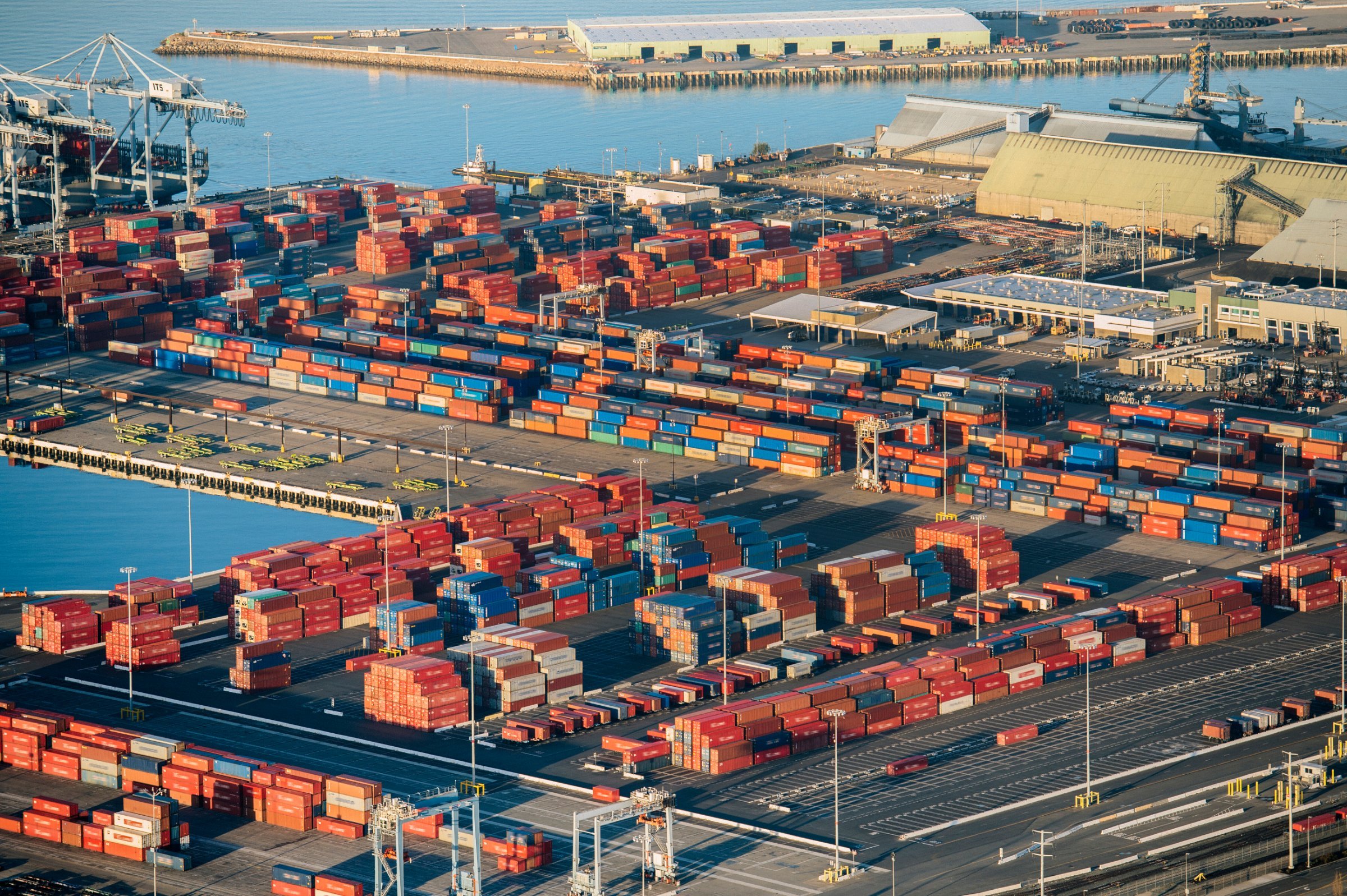
Separately, suspending port fees on US ships can affect voyage economics for carriers and shippers using US-flag vessels, which can feed into routing decisions and shipping costs on trans-Pacific lanes.
Who is affected: importers of US-origin goods and ocean freight planners
The extension is most directly relevant to companies importing US-origin goods into China that would otherwise face the 24% tariff. It is also relevant to logistics teams and carriers that plan port calls involving US ships, because port fees can be a meaningful cost line item in maritime operations.
For global manufacturers with China-based production or distribution, the measures can influence near-term sourcing decisions, inventory positioning, and total landed-cost calculations tied to China-US trade flows.
What happens next: a two-month window with reinstatement risk
China’s action extends the suspensions for two months, which keeps the relief time-limited by design.
Because the measures are temporary, procurement and logistics teams may need to plan for multiple scenarios: continued suspension, partial changes, or reinstatement of the 24% tariff and port fees after the extension period ends. The key operational issue is timing—purchase orders, shipment departures, and port calls may straddle the end of the suspension window.
Practical planning: landed-cost models and freight contingencies
Teams managing China-US trade can use the extension to refresh landed-cost models for US-origin inputs shipped into China, reflecting the continued suspension of the 24% tariff during the two-month period.
On the logistics side, shippers can review whether any planned moves rely on US ships and whether the suspension of port fees changes the cost comparison versus alternative vessel options. Given the short extension, contingency plans for pricing, routing, and delivery timing can help reduce disruption if charges return.
Key takeaways
China extended for two months the suspension of a 24% tariff on US goods.
China also extended for two months the suspension of port fees on US ships.
The extension keeps temporary cost relief in place for China-US trade and shipping costs.
Because the relief is time-limited, buyers may need contingency pricing and logistics plans.
What this means for manufacturers and sourcing teams
What this means for manufacturers and sourcing teams: The two-month China tariff suspension extension can preserve near-term landed-cost relief for US-origin goods entering China and reduce certain shipping-related charges tied to US ships. Treat the window as temporary: update costed bills of material and import budgets with an “expiry” scenario, and align purchase-order timing and shipment schedules to avoid surprises if tariffs or port fees return. Logistics teams should also stress-test routing and carrier options and keep alternate quotes ready; tools like MESH Works can help track supplier lanes and cost assumptions tied to policy changes.