Overhaul says parked-truck incidents made up 42% of Mexico cargo theft in Q3, raising the risk tied to dwell time, staging and overnight parking for shippers and carriers.
Mexico cargo theft is shifting toward thefts involving parked trucks, according to Overhaul. The company said incidents tied to parked trucks accounted for 42% of all cargo theft incidents in Mexico during the third quarter.
For logistics and procurement teams, the change signals higher exposure during dwell time—when loads are staged, waiting for appointments, or parked overnight—rather than only during in-transit moves. That can change how lane risk is assessed and where security controls need to be concentrated.
What changed in Mexico cargo theft in Q3
Overhaul said cargo theft involving parked trucks represented 42% of all cargo theft incidents in Mexico during Q3. The figure points to a meaningful share of theft risk occurring when equipment is stationary.
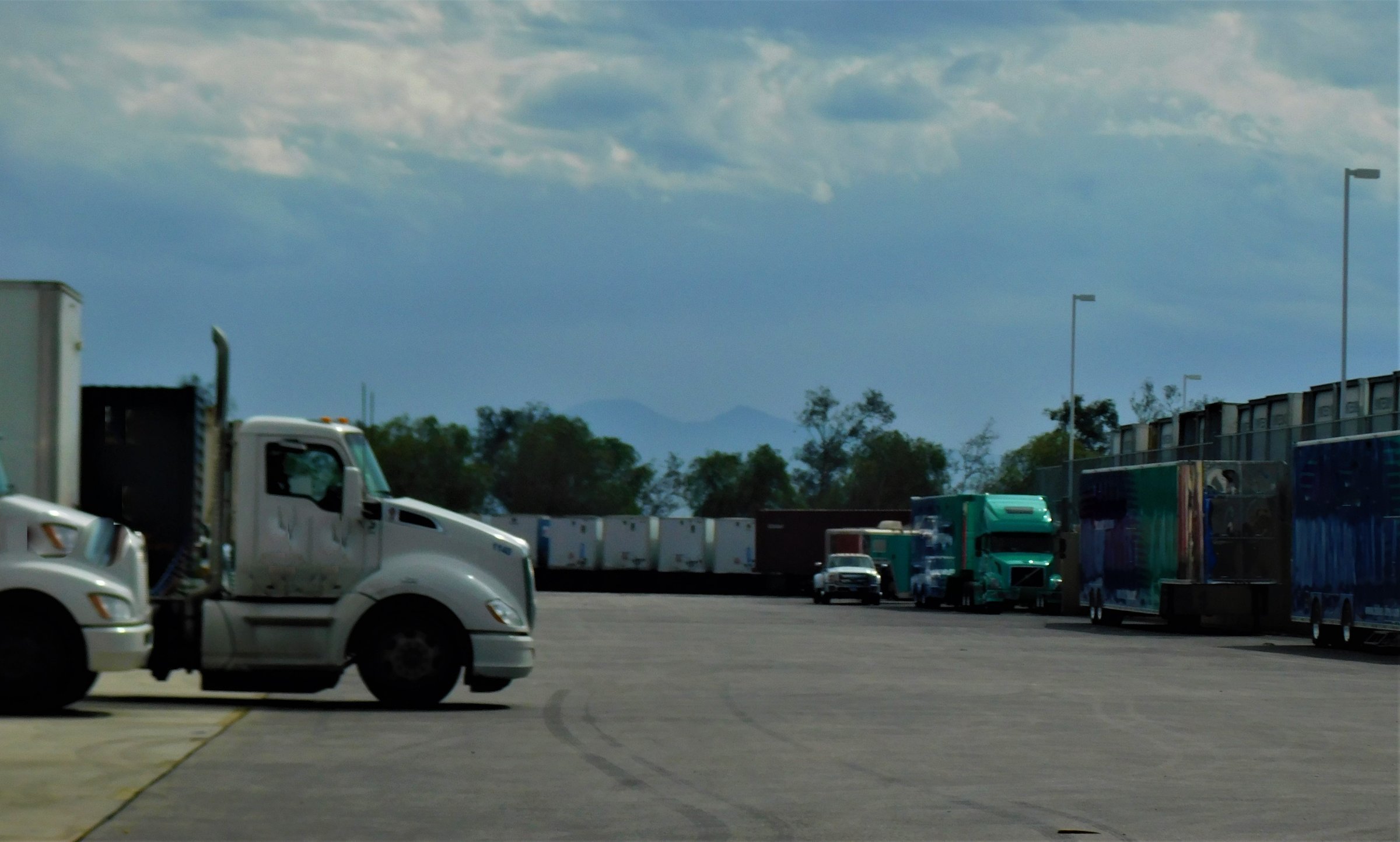
For shippers, carriers, and 3PLs, this pattern matters because parked-truck exposure often concentrates around predictable locations and time windows—such as staging areas, yards, and overnight stops—where loads may be unattended or less monitored than during linehaul.
Why truck parking thefts raise operational risk
Parked-truck thefts shift the security problem from route-only planning to dwell-time management. Dwell time can be created by appointment windows, cross-dock staging, driver hours-of-service constraints, or delays at pickup and delivery.
When theft risk is tied to parking and staging, the operational levers also change. Controls may need to focus on where trucks are allowed to stop, how long they can remain parked, and what monitoring or physical safeguards are required while a load is stationary.
Who is most exposed: staging, overnight parking, and handoffs
Any Mexico lane that requires staging or overnight parking can face higher exposure if parked-truck incidents remain a large share of overall Mexico cargo theft. This can include moves with long dwell times between pickup and delivery, or operations that rely on intermediate stops.
Handoffs can also increase vulnerability. Each additional stop, yard, or waiting period can create another opportunity for theft if parking controls and visibility are inconsistent across carriers, subcontractors, and facilities.
Freight security steps to prioritize for parked equipment
If theft risk is increasingly tied to parking, security planning may need to harden the “stop” itself. That can include tighter rules on approved parking locations, clearer escalation procedures when a driver cannot reach a planned stop, and stronger requirements for unattended equipment.
Procurement teams can also translate this into contracting language—such as minimum security practices for parking and staging, documentation expectations, and defined responsibilities among shippers, carriers, and 3PLs when loads must be held.
What to watch next for Mexico lane risk
Overhaul’s Q3 share highlights a tactical shift that could influence how Mexico freight risk is modeled. If parked-truck theft remains elevated, shippers may need to revisit network design assumptions that depend on staging, long dwell times, or overnight holds.
Teams should monitor whether parked-truck incidents continue to represent a large portion of Mexico cargo theft and whether carrier operating procedures and facility controls are keeping pace with the changing threat profile.
Key takeaways
Overhaul said parked-truck incidents accounted for 42% of Mexico cargo theft incidents in Q3.
The shift increases exposure during dwell time, staging, and overnight parking—not only during in-transit moves.
Mexico lane risk assessments may need to incorporate where trucks stop and how long they remain parked.
Shippers, carriers, and 3PLs may need tighter parking controls and clearer security requirements for unattended loads.
What this means for manufacturers and sourcing teams
What this means for manufacturers and sourcing teams: Mexico cargo theft risk may be increasingly tied to dwell time, not just linehaul routes. Review Mexico lanes that require staging or overnight parking and identify where loads are most likely to sit. Update carrier and 3PL requirements to specify approved parking/staging practices and escalation steps when planned stops change. Recheck insurance and security obligations for unattended equipment and build contingency time for secure parking constraints. Tools like MESH Works can help standardize carrier requirements and lane-level risk checks across sites.