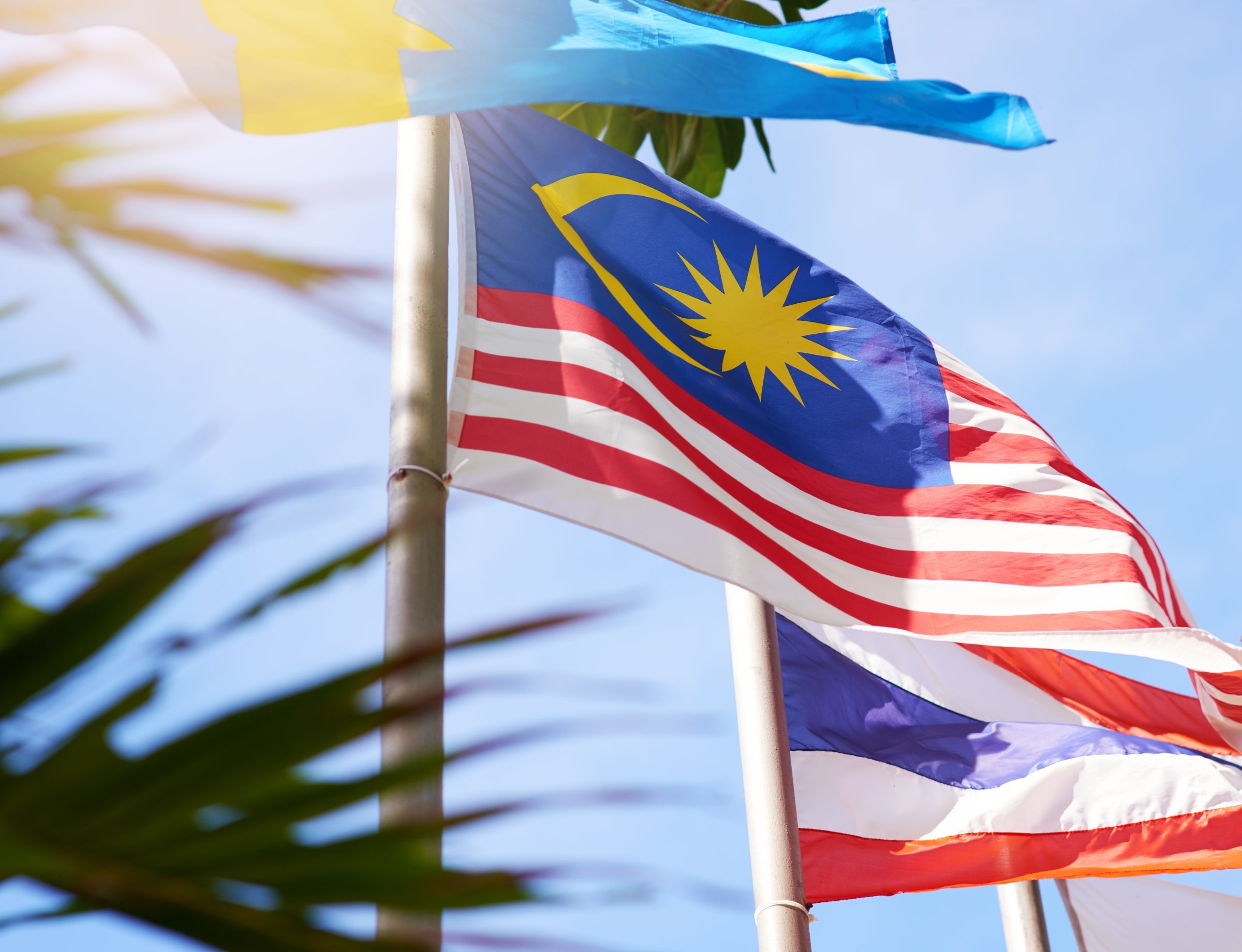
Malaysia has signed an agreement with France focused on critical-mineral development, a move that could open future sourcing and investment pathways if projects and capacity plans follow.
Malaysia has signed a Malaysia France critical minerals deal aimed at developing critical minerals. The agreement signals closer bilateral cooperation around strategic materials that sit upstream of many industrial supply chains.
For procurement and supply chain teams, the immediate change is not new volume or pricing, but a potential pathway: if the cooperation turns into concrete projects, it could reshape future sourcing options, partnerships, and investment priorities tied to critical minerals.
What happened: Malaysia and France signed a critical-minerals development deal
Malaysia and France have signed an agreement focused on developing critical minerals. The deal formalizes bilateral cooperation in a sector that is increasingly central to industrial planning and strategic materials access.
No project list, timelines, or specific minerals were announced in the available details. As a result, the agreement should be read as a framework for cooperation rather than an immediate change to supply availability.
Why critical minerals development is a strategic supply chain issue
Critical minerals are a broad category of materials that are important to manufacturing and can be vulnerable to supply disruption. They often sit at the start of complex supply chains, where constraints can cascade into longer lead times and higher costs downstream.
Bilateral cooperation on critical minerals can matter to buyers because it may influence where future extraction, processing, or related industrial activity is prioritized—potentially affecting supplier ecosystems and qualification options over time.
Who could be affected: buyers planning APAC and EU sourcing strategies
The Malaysia–France agreement is most relevant to organizations that source, process, or depend on critical minerals and that manage supply risk across APAC and Europe. Even without immediate operational changes, the deal may become a reference point for future partnerships, investment decisions, or supplier development initiatives connected to Malaysia and France.
For global procurement teams, the practical relevance will depend on whether the cooperation results in identifiable projects that create new capacity, new processing routes, or new commercial counterparties.
What happens next: watch for projects, scope, and implementation details
The next signal for sourcing teams will be whether Malaysia and France announce specific activities under the agreement—such as defined workstreams, participating organizations, or targeted minerals.
Until those details are public, the agreement is best treated as an early indicator of policy and industrial alignment rather than a confirmed shift in supply. Any procurement action should be staged: monitor, map potential exposure, and prepare to engage if concrete opportunities emerge.
How to use this development in sourcing and risk planning
Procurement leaders can treat the deal as a trigger to revisit critical-mineral category strategies, especially where single-region dependence or limited supplier qualification creates risk. If cooperation expands into projects, it could create additional options for diversification or partnership structures.
In the near term, the most actionable step is intelligence-building: identify which critical-mineral inputs are most material to the business, where current suppliers sit in the value chain, and what alternative routes could be viable if new capacity or partnerships become available.
Key takeaways
Malaysia signed an agreement with France to cooperate on critical-mineral development.
The deal signals closer bilateral alignment on strategic materials relevant to industrial supply chains.
No specific minerals, projects, or timelines were detailed in the available information.
If the cooperation leads to concrete projects, it could expand future sourcing and partnership options.
What this means for manufacturers and sourcing teams
What this means for manufacturers and sourcing teams: Treat the Malaysia–France agreement as an early signal, not an immediate supply change. Update critical-mineral risk maps, including where current suppliers source and process material. Build a watchlist for any announced projects tied to Malaysia or France and pre-define qualification criteria (specs, ESG/compliance requirements, and logistics constraints). If new capacity emerges, be ready to run should-cost and lead-time scenarios and consider dual-sourcing or regional diversification. Tools like MESH Works can help centralize supplier data and track category exposure as details develop.