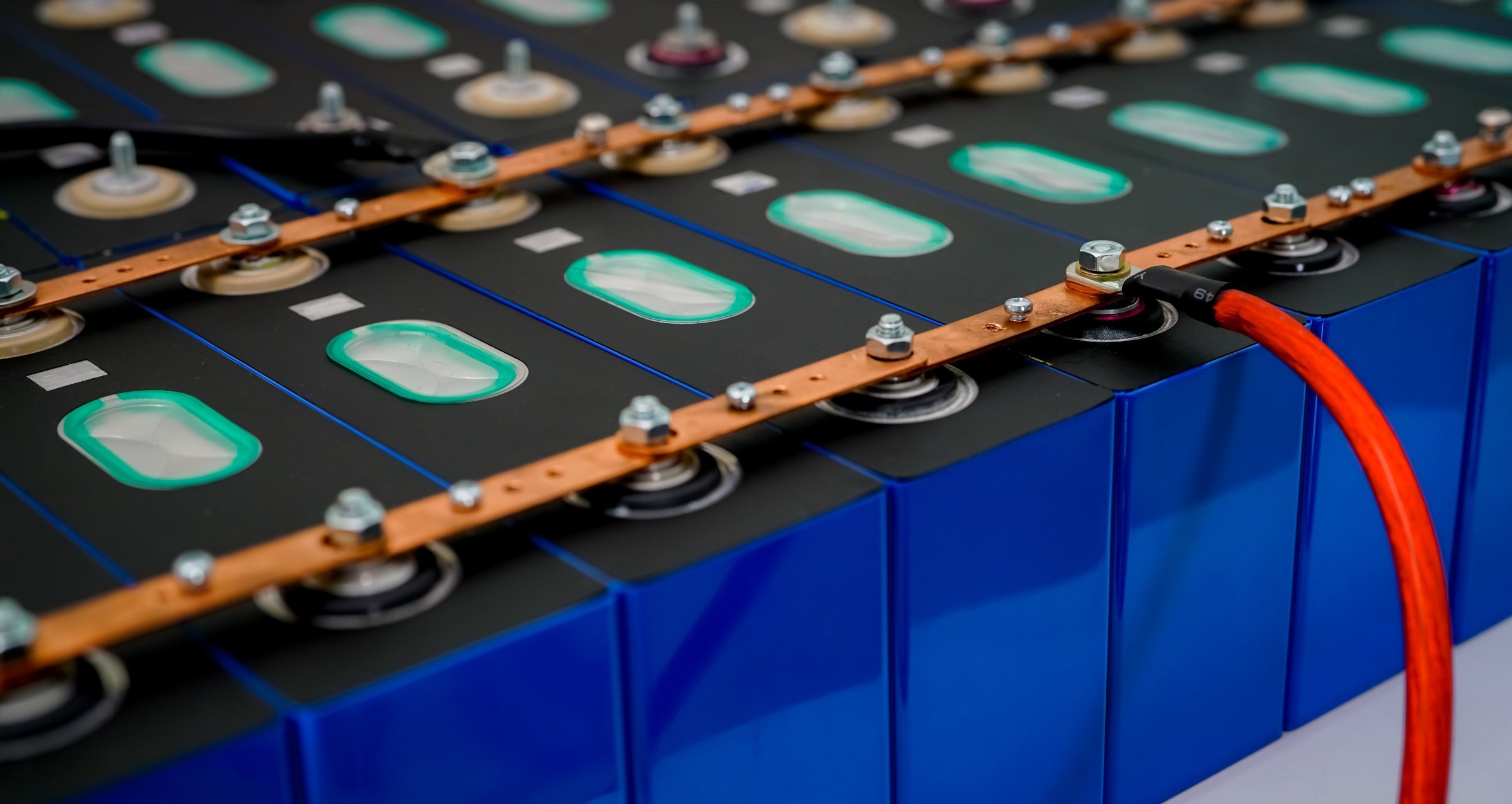
India has prohibited exports of unsorted lithium-ion battery waste and scrap, a key input for domestic recyclers, tightening rules for cross-border recycling flows.
India has banned the export of unsorted waste and scrap of lithium-ion batteries. The India lithium-ion battery scrap export ban specifically targets “unsorted” material, tightening controls on cross-border movement of this secondary battery-material stream.
The government described the restricted material as an important input for the domestic battery recycling industry, signaling an intent to retain recycling feedstock within India. For procurement and reverse-logistics teams, the change could affect recycling routes, contract terms, and compliance checks for battery waste shipments connected to India.
What changed: exports of unsorted lithium-ion battery waste and scrap are prohibited
India’s government has prohibited exports of unsorted lithium-ion battery waste and scrap. The restriction is framed around the “unsorted” condition of the waste and scrap, rather than a blanket ban on all battery-related secondary materials.
For cross-border recycling supply chains, the practical effect is that shipments classified as unsorted lithium-ion battery waste/scrap can no longer be exported from India. Companies moving end-of-life batteries, production scrap, or mixed battery waste streams will need to ensure their material classification and handling align with the new prohibition.
Why India is restricting this material: retaining recycling feedstock
The government described unsorted lithium-ion battery waste and scrap as an important input for India’s domestic battery recycling industry. That positioning indicates the measure is intended to keep more recycling feedstock available for local processing.
In general terms, lithium-ion battery waste and scrap can be processed by recyclers to recover valuable materials. When a government restricts exports of a secondary material stream, it can shift volumes toward domestic recyclers and change where recovery and refining steps occur.
Who is affected by the unsorted battery waste export ban
The most immediate impact falls on battery recyclers and intermediaries that rely on India-origin lithium-ion battery waste and scrap as inbound feedstock for overseas recovery operations. Electronics and battery supply chains that route end-of-life batteries or manufacturing scrap through India-linked collection and consolidation networks may also need to adjust.
Any manufacturer with India-based operations generating lithium-ion battery scrap, or any global recycler contracting for India-sourced unsorted material, may face disruptions to planned export movements. The restriction is specific to unsorted waste and scrap, so sorting and compliant classification become central operational questions.
What happens next: compliance, classification, and routing decisions
With exports of unsorted lithium-ion battery waste and scrap prohibited, companies will need to reassess how battery waste is handled before any cross-border movement involving India. That includes reviewing whether waste streams are being shipped as “unsorted” and whether internal documentation and third-party logistics processes match the new rule.
Where export is no longer an option for unsorted material, organizations may need to route volumes to domestic recycling capacity in India or redesign reverse-logistics flows so that sorting and downstream processing decisions are made earlier in the chain.
Key takeaways
India has prohibited exports of unsorted lithium-ion battery waste and scrap.
The restricted material is described as an important input for India’s domestic battery recycling industry.
The change tightens controls on cross-border movement of this secondary battery-material stream.
Recycling contracts and reverse-logistics plans tied to India-origin scrap may need updates to stay compliant.
What this means for manufacturers and sourcing teams
What this means for manufacturers and sourcing teams: Review any recycling, take-back, or reverse-logistics contracts that involve India-origin lithium-ion battery waste or scrap, and confirm whether shipments are classified as “unsorted.” If your program relied on exporting unsorted material for overseas recovery, model alternative routing to domestic recyclers in India and update service-level expectations. Strengthen compliance checks for waste documentation and handoffs with logistics partners, and validate that suppliers and recyclers can accept the material stream under the new restriction. Track feedstock availability impacts for recycling partners that previously depended on India-sourced volumes.