Romania says drones hit three commercial ships near the Sulina canal and fighter jets were scrambled, raising near-term security and delay risk for Black Sea routings close to Romanian waters.
Black Sea shipping disruption risk increased after Romania said drones struck three commercial ships near the Sulina canal, a key Romanian shipping channel.
Prime Minister Luca Niculescu said Romania’s armed forces scrambled fighter jets following the incident. The strikes occurred close to Romanian waters, adding operational uncertainty for commercial traffic transiting the area and raising fresh questions about Romania maritime security for nearby freight lanes.
What happened near the Sulina canal
Drones struck three commercial ships in the Black Sea near Romania’s Sulina canal, Prime Minister Luca Niculescu said.
Niculescu said Romania’s armed forces scrambled fighter jets after the incident. The drones were described as unknown in some accounts of the event. No additional details were provided on the ships involved, the extent of damage, or whether any injuries occurred.
Why this matters for Black Sea freight risk
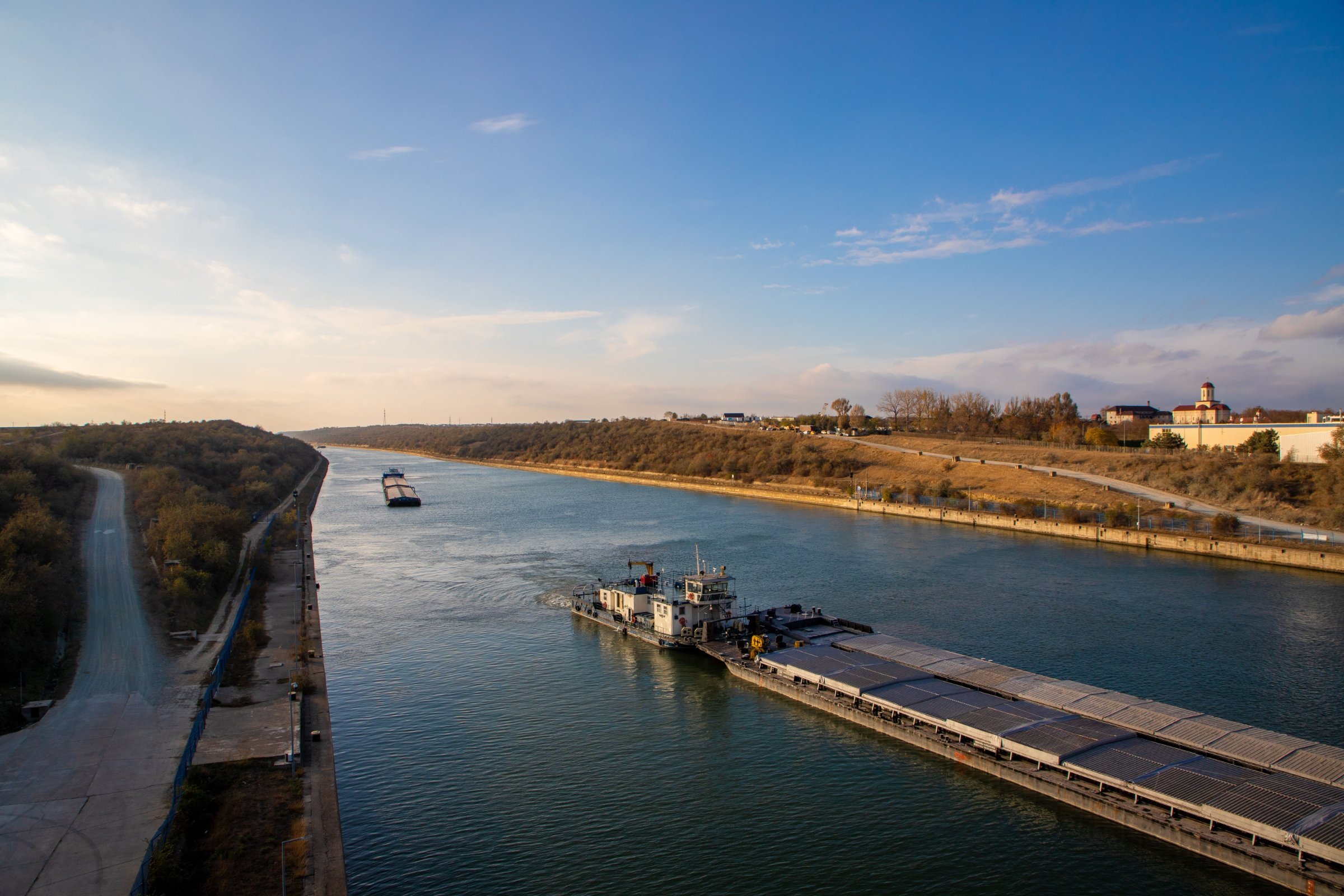
The Sulina canal is a key shipping channel for traffic moving near Romania’s Black Sea coastline. Strikes close to that corridor can increase perceived risk for vessels operating in the vicinity, even when ships are not directly targeted.
For logistics teams, the immediate concern is operational uncertainty: carriers may adjust routing decisions, impose additional security procedures, or build in more buffer time when planning transits near Romanian waters. Buyers relying on time-sensitive deliveries may see more variability in lead times.
Who is exposed to disruption in the EU and globally
Any shipper using Black Sea routings that pass near Romania’s Sulina canal could face higher disruption risk in the near term. That includes EU-based importers and exporters with cargo moving through Black Sea lanes, as well as global supply chains that connect to European manufacturing networks.
The incident is most relevant to shipping and logistics operators managing vessel schedules and port calls in the region, and to manufacturers and procurement teams whose inbound materials or outbound finished goods depend on predictable maritime transit windows.
What happens next for Romania maritime security
Romania has not announced new maritime security measures in connection with the incident, beyond Niculescu’s statement that fighter jets were scrambled.
In practical terms, the next signals for shippers will be operational: whether carriers change voyage plans, whether ports or maritime authorities issue updated guidance, and whether risk assessments for transits near the Sulina canal are revised. Until more details are confirmed, planning assumptions may need to remain conservative for Black Sea movements near Romanian waters.
How to plan around Black Sea shipping disruption
Shippers with exposure to the area may need to stress-test schedules for delay scenarios and confirm contingency options with logistics providers. Where contracts allow, buyers can review routing clauses and escalation paths for disruptions.
For cargo already booked, teams can ask carriers and forwarders for updated risk assessments for the specific lane and timing, and confirm what triggers diversions or additional security steps. For new bookings, procurement may want to compare alternative routings and service levels if transit reliability becomes a priority over cost.
Key takeaways
Romania said drones struck three commercial ships in the Black Sea near the Sulina canal.
Prime Minister Luca Niculescu said Romania scrambled fighter jets after the incident.
The event raises near-term freight risk Black Sea for routings close to Romanian waters.
Logistics teams may need to plan for delays, diversions, and tighter operating conditions near the corridor.
What this means for manufacturers and sourcing teams
What this means for manufacturers and sourcing teams: Black Sea routings near Romania’s Sulina canal may carry higher disruption risk in the near term, which could translate into schedule variability for inbound materials and outbound shipments. Update lead-time assumptions for affected lanes, confirm carrier contingency plans, and model landed-cost sensitivity if service levels change. For critical parts, consider temporary safety-stock buffers or alternate routings where feasible. Ensure shipment visibility and exception workflows are in place so teams can react quickly if transits are delayed; platforms like MESH Works can help centralize supplier and logistics communications during disruptions.