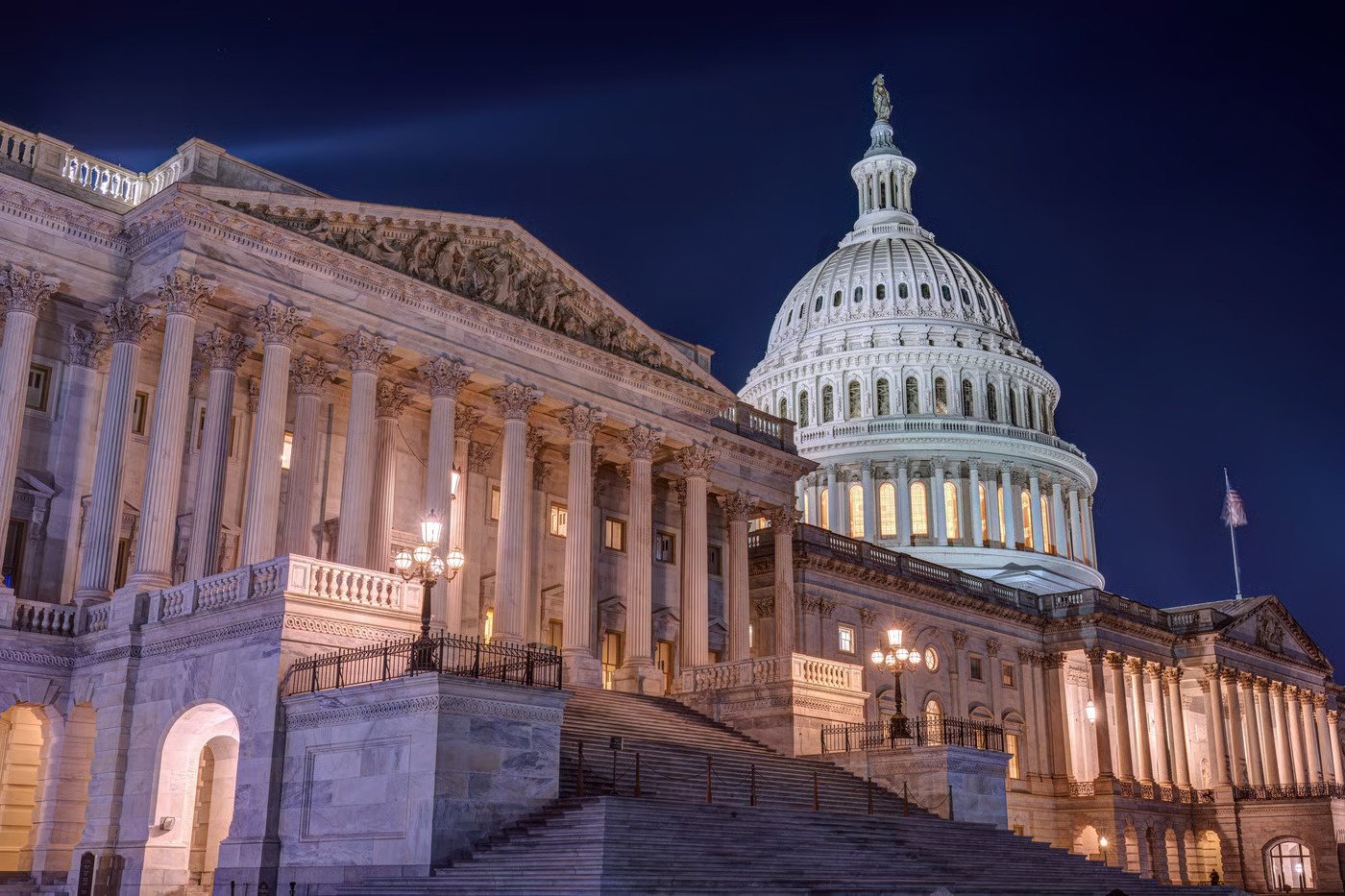
Three pending bills would restrict how a president can impose tariffs if enacted, potentially reducing sudden tariff shocks and improving planning for manufacturers and sourcing teams.
US tariff authority is facing a bipartisan push in Congress that could curb presidential tariff power if new legislation becomes law.
Three bills pending in Congress would significantly restrict a president’s ability to impose tariffs, according to experts who say there is appetite in Washington for trade policy reform. The proposals are not yet enacted, but they signal potential changes to how quickly and broadly tariffs can be applied.
What’s happening with US tariff authority in Congress
Lawmakers are advancing a bipartisan effort aimed at limiting presidential tariff power. The effort centers on three separate bills that would significantly restrict a president’s ability to impose tariffs.
The proposals remain pending. Any changes to US tariff authority would only take effect if one or more of the bills are enacted into law.
Why lawmakers are revisiting presidential tariff power
Experts say there is appetite in Washington for changes to trade policy, suggesting momentum for trade policy reform that could reshape how tariff decisions are made.
For procurement and supply chain leaders, the key issue is process: whether tariffs can be imposed quickly through executive action, or whether future tariffs would face more constraints under revised rules.
How Congress tariff bills could change tariff timing and scope
If enacted, the Congress tariff bills would restrict presidential tariff power in ways that could affect how quickly tariffs are introduced and how broadly they apply.
That matters because tariff timing drives real-world sourcing outcomes: sudden changes can force rapid supplier switches, price renegotiations, and expedited logistics. A more constrained process could reduce abrupt tariff shocks, but it could also introduce longer lead times for policy decisions.
Who is affected: manufacturers, sourcing teams, and global suppliers
Manufacturing and supply chain organizations with cross-border sourcing exposure are most likely to feel the impact of any changes to US tariff authority. Tariffs can influence landed cost, supplier selection, and contract terms across a wide range of imported inputs and finished goods.
Global suppliers selling into the US market may also see changes in customer behavior if tariff policy becomes more predictable, including longer-term commitments and fewer emergency re-sourcing events.
What happens next and how to plan during trade policy reform talks
The bills are still pending, and the current framework for presidential tariff power remains in place unless legislation is enacted.
Procurement teams may want to scenario-plan for two paths: continued executive-driven tariff volatility, or a slower, more constrained tariff process if Congress acts. The practical difference is how much warning time buyers get before costs change—and how confidently they can lock pricing and capacity.
Key takeaways
A bipartisan effort in Congress is targeting US tariff authority by limiting presidential tariff power.
Three pending bills would significantly restrict a president’s ability to impose tariffs if enacted.
Experts say there is appetite in Washington for trade policy reform, suggesting potential momentum.
If enacted, the changes could reduce sudden tariff shocks and improve predictability for sourcing and pricing.
For now, procurement teams should plan for both continued volatility and a more constrained tariff process.
What this means for manufacturers and sourcing teams
What this means for manufacturers and sourcing teams: Treat tariff policy as a live risk variable. Build scenarios that compare rapid, executive-driven tariff changes versus a slower process if Congress restricts presidential tariff power. Review contracts for tariff pass-through clauses, repricing triggers, and lead-time commitments. Stress-test landed-cost models and supplier allocations under both outcomes, and identify alternates for high-exposure categories. Use a structured supplier and part-risk register (including in MESH Works) to track exposure and decision thresholds if tariffs shift quickly.