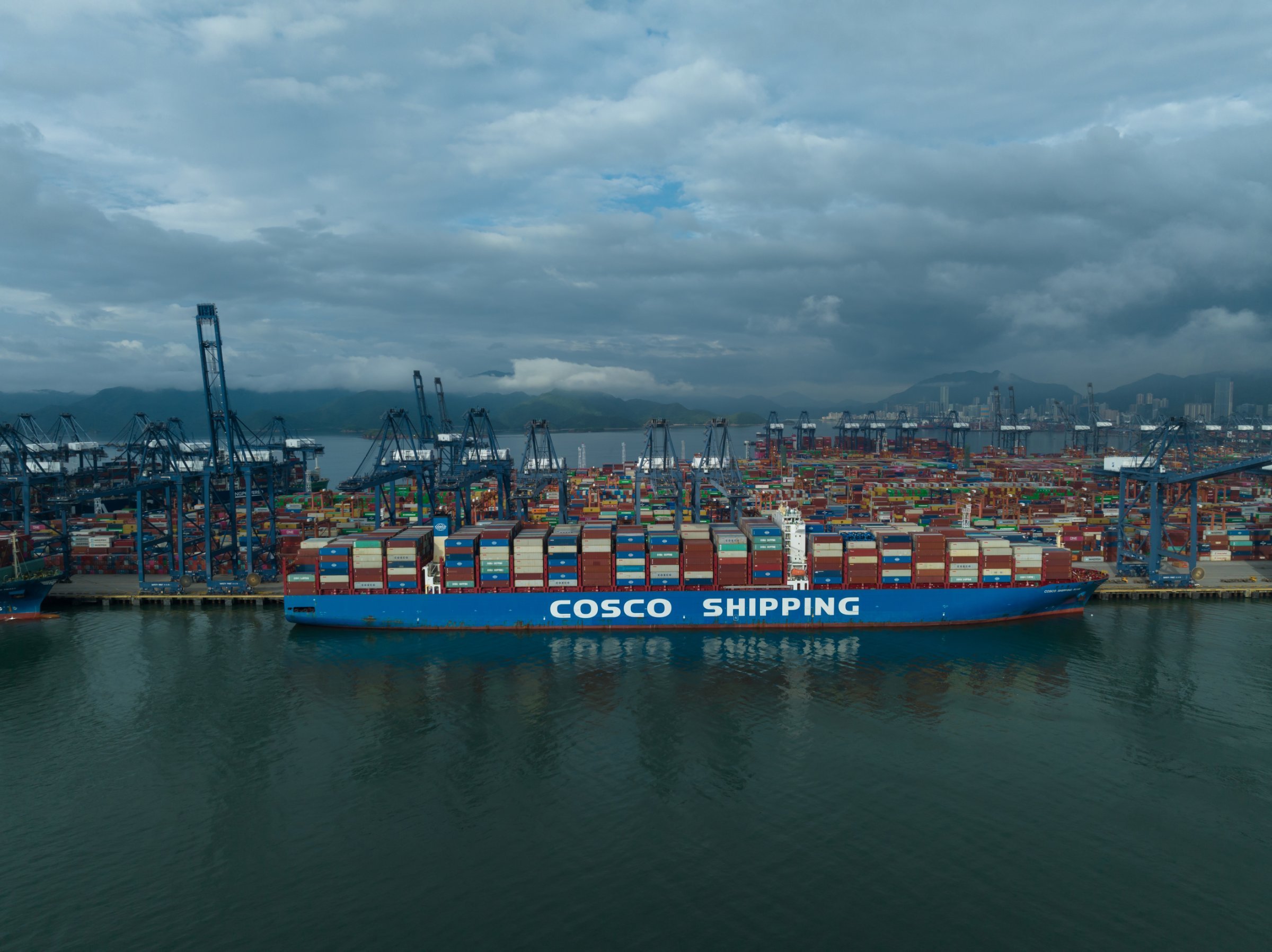
Cosco’s Cosco Q3 profit surge signals firmer demand and pricing on key lanes, but the carrier warned geopolitical disruption could still drive volatility in rates and reliability.
Cosco Q3 profit jumped 81% as ocean freight revenue climbed, supported by stronger trans-Pacific trade. The carrier said the improved performance helped lift nine-month earnings, pointing to firmer demand and pricing conditions on key lanes.
At the same time, Cosco indicated that geopolitical disruption is clouding the ocean shipping outlook. For manufacturers and procurement teams, the combination of stronger trans-Pacific conditions and elevated geopolitical risk raises the odds of renewed volatility in rates, capacity, and schedule reliability.
What happened: Cosco posts an 81% profit jump in Q3
Cosco reported an 81% increase in profit for the third quarter, alongside higher ocean freight revenue. The company tied the stronger results to improved conditions in its ocean shipping business.
Cosco also said stronger trans-Pacific trade contributed to lifting earnings over the first nine months of the year. The results are a signal that demand and pricing improved on at least some major lanes during the quarter.
Why trans-Pacific trade matters for ocean freight pricing
Trans-Pacific trade is a core corridor for containerized goods flows between China and the United States. When volumes strengthen on this lane, carriers can see better vessel utilization and improved pricing power, which can translate into higher ocean freight revenue.
For shippers, stronger trans-Pacific conditions can tighten available space during peak periods and increase the risk of rollovers if bookings exceed capacity. Even without formal capacity cuts, higher demand can shift negotiating leverage toward carriers on spot and short-term contract moves.
Geopolitical disruption is still clouding the ocean shipping outlook
Cosco said geopolitical disruption is clouding the outlook, even as revenue and profit improved. That combination often points to a market where fundamentals are strengthening, but external shocks can still change routing, transit times, and effective capacity quickly.
For global supply chains, geopolitical disruption can show up as sudden schedule changes, port congestion spillovers, or reallocation of vessels across lanes. These disruptions can create short-notice cost swings and service variability, particularly for time-sensitive replenishment and production inputs.
Who is most exposed: US importers and Asia exporters on key lanes
Shippers moving finished goods and components across the Pacific are most directly exposed to shifts in trans-Pacific demand and carrier pricing. US-bound import programs can face higher landed costs if rates rise, while Asia-based exporters may see tighter booking windows and more variability in sailing options.
Companies with lean inventories or fixed production schedules are typically more sensitive to schedule reliability issues. Procurement teams sourcing from multiple APAC_OTHER origins may also see knock-on effects if carriers reposition equipment or capacity to prioritize stronger lanes.
What happens next: watch for rate and reliability volatility
Cosco’s Q3 results point to improved demand and pricing conditions, but the company’s warning on geopolitical disruption suggests the market could remain unstable. If trans-Pacific trade stays strong, near-term capacity and rate dynamics could tighten further.
At the same time, disruption risk can reintroduce volatility even when demand is healthy. For buyers, the practical question is not only where rates go, but whether service reliability holds—because delays can force costly expediting, safety-stock increases, or production rescheduling.
Key takeaways
Cosco Q3 profit rose 81% as ocean freight revenue increased.
Cosco said stronger trans-Pacific trade helped lift nine-month earnings.
The results suggest improved demand and pricing on key ocean shipping lanes.
Cosco warned geopolitical disruption is clouding the ocean shipping outlook.
Procurement teams may face tighter capacity and renewed rate and reliability volatility.
What this means for manufacturers and sourcing teams
What this means for manufacturers and sourcing teams: If trans-Pacific demand remains firm, buyers may see tighter space and less favorable spot pricing, especially for short-notice shipments. Build scenarios for ocean freight cost volatility into landed-cost models and review buffer stock for critical SKUs. Consider diversifying carriers and routing options to reduce single-lane exposure, and confirm service terms tied to rollovers and schedule changes. Use tools such as MESH Works to map supplier-to-lane dependencies and prioritize contingency routing for high-impact parts.