Improving Panama Canal water conditions are allowing more daily transits and a deeper Neopanamax draft, easing recent operating constraints that can disrupt ocean freight reliability.
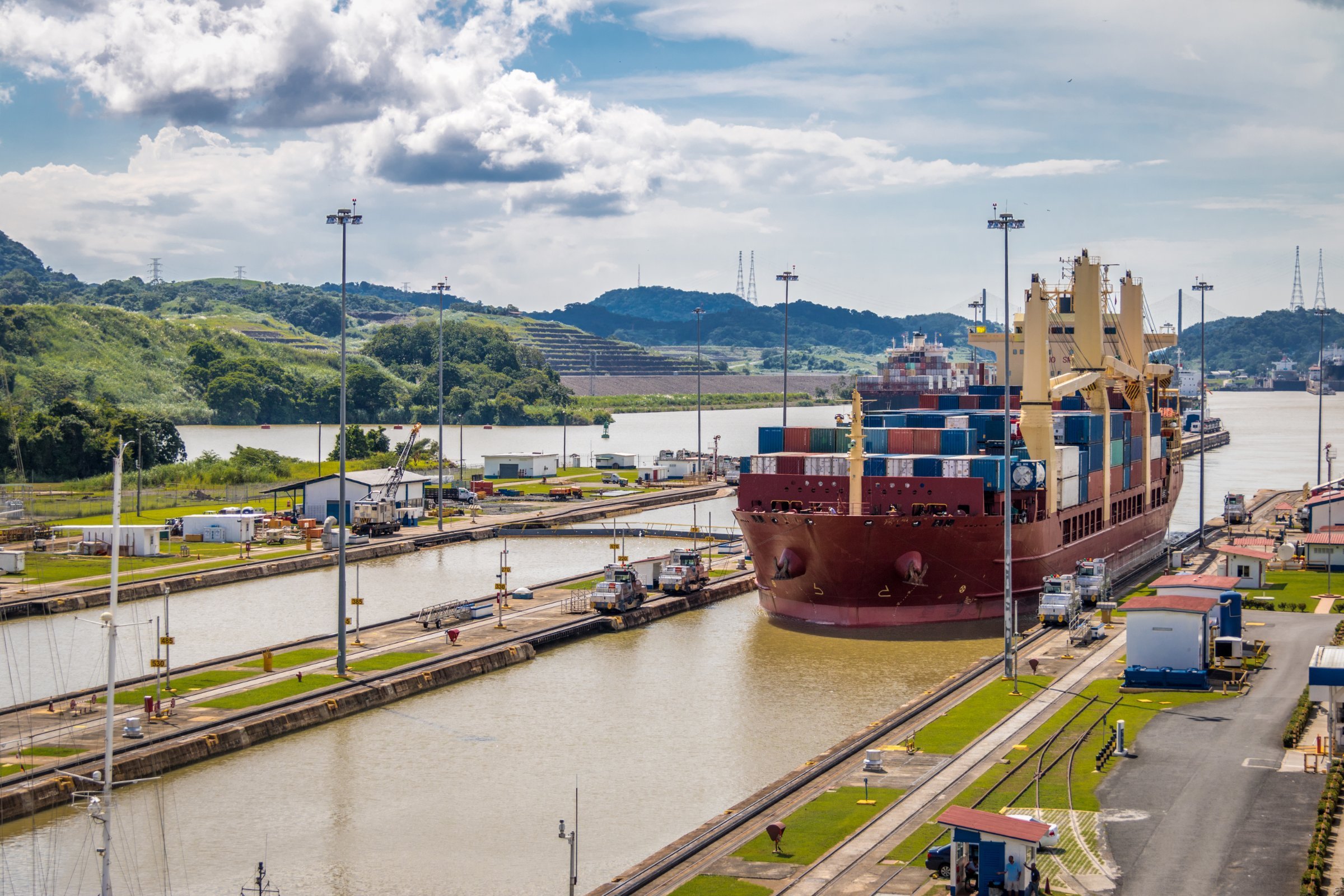
Panama Canal transit capacity is increasing to 34 vessels per day as water conditions improve, easing a key constraint on one of the world’s most important shipping corridors.
The canal is also restoring the maximum allowable draft at its Neopanamax locks to 50 feet. Together, the higher daily throughput and deeper draft signal a near-term improvement in operating conditions that can affect routing decisions, payload planning, and schedule reliability for ocean freight moving between the Atlantic and Pacific.
What changed: higher daily transits and a deeper Neopanamax draft
The Panama Canal is raising its daily transit capacity to 34 vessels. The move follows improving Panama Canal water conditions, which had previously contributed to operating restrictions.
In parallel, the canal is restoring the maximum allowable draft at its Neopanamax locks to 50 feet. Draft limits directly affect how much cargo a vessel can carry through the locks, so a return to a deeper allowable draft can reduce the need for light-loading or other payload workarounds on eligible ships.
Why Panama Canal water conditions matter for shipping capacity constraints
The canal’s operating limits are closely tied to available water, because each lockage uses freshwater to move vessels between sea levels. When water availability tightens, the canal can respond by limiting daily transits and/or reducing allowable draft.
Those measures can translate into shipping capacity constraints for carriers and shippers: fewer available slots, tighter booking windows, and potential knock-on effects to sailing schedules. The latest operational update indicates those constraints are easing in the near term as conditions improve.
Who is affected: ocean shipping lanes linking the US and global trade
The Panama Canal is a critical corridor for ocean shipping and logistics, supporting trade flows that connect the US, Latin America, and global markets. When canal throughput is constrained, carriers may adjust networks, and shippers can face longer lead times or higher costs tied to rerouting and schedule recovery.
With Panama Canal transit capacity rising and the Neopanamax draft returning to 50 feet, shippers moving containerized and other seaborne cargoes through the canal may see improved ocean freight reliability, depending on how quickly carriers and terminals translate the operational change into available capacity and stable schedules.
What happens next: near-term reliability may improve, but booking dynamics still matter
The increase to 34 daily transits and the restored Neopanamax draft are operational signals that the canal can handle more traffic and heavier loadings than under prior restrictions.
For procurement and logistics teams, the practical impact will depend on carrier deployment, sailing schedules, and booking availability. Even with improved canal conditions, shippers may still need to monitor slot availability and any remaining operational limits that could affect specific vessel classes or service strings.
Key takeaways
Panama Canal transit capacity is increasing to 34 vessels per day as water conditions improve.
The canal is restoring the maximum allowable Neopanamax draft to 50 feet, easing prior restrictions.
Higher throughput and deeper draft can reduce congestion risk and payload limits for canal users.
Improved operating conditions could support better ocean freight reliability on affected trade lanes.
What this means for manufacturers and sourcing teams
What this means for manufacturers and sourcing teams: The higher Panama Canal transit capacity and restored Neopanamax draft could reduce near-term disruption risk for shipments routed through the canal. Update lane-level lead-time assumptions and revisit contingency routings that were put in place during tighter operating limits. For inbound materials and outbound finished goods, re-check carrier allocations and booking windows to see whether payload limits and schedule buffers can be reduced. Keep a watchlist for any renewed changes in Panama Canal water conditions and reflect them in freight cost scenarios and supplier delivery commitments tracked in MESH Works.