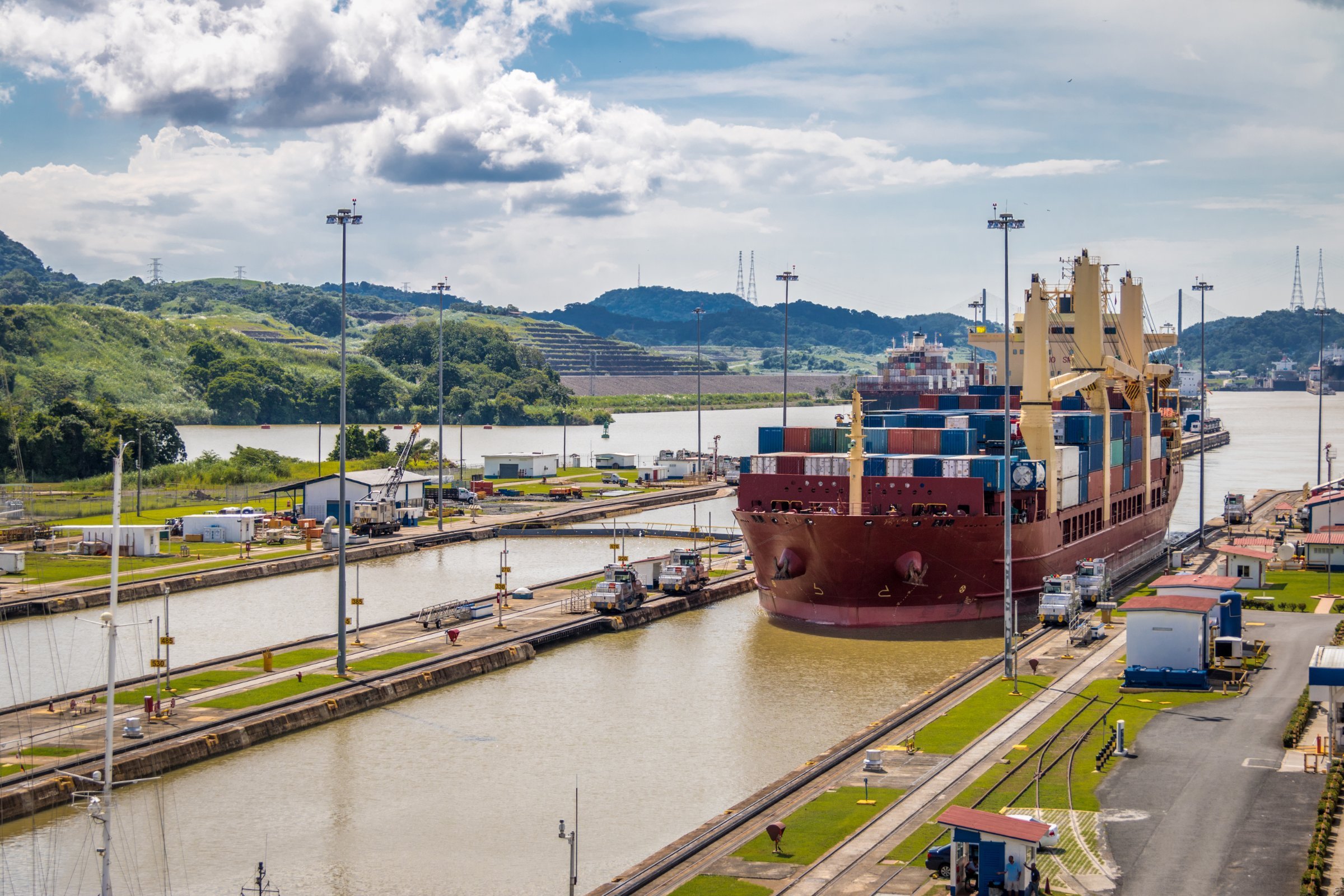
A potential extension of the Jones Act shipping waiver could preserve near-term flexibility in US domestic maritime transport, affecting routing options, capacity and landed-cost planning.
The White House is set to extend a Jones Act shipping waiver, according to sources familiar with the matter. If finalized, the move would continue allowing certain shipments to move without meeting Jones Act requirements that typically apply to domestic maritime transport.
The sources did not specify how long the waiver would be extended or which routes and cargoes would be covered. For procurement and logistics teams, the decision could keep current optionality in place for US shipping and logistics operations that are using the waiver today.
What is happening with the Jones Act shipping waiver
The White House is preparing to extend a Jones Act shipping waiver, according to sources. The waiver currently allows certain shipments to proceed without complying with Jones Act requirements.
The Jones Act generally governs domestic maritime transport in the United States. A waiver can temporarily relax those requirements for specific movements, depending on how it is written.
No additional details were provided by the sources on the waiver’s duration or the specific routes and cargoes that would remain eligible.
What a Jones Act waiver changes in domestic maritime transport
The Jones Act sets rules for moving goods between US ports. In practice, those rules can shape which vessels can be used for domestic coastal or other domestic maritime moves.
A Jones Act waiver can create additional flexibility by allowing certain shipments to move without meeting those requirements. For shippers, that can translate into more routing choices or different carrier options for the covered movements.
Because waivers are typically scoped, the operational impact depends on what is covered and for how long—details that have not been specified in this case.
Who could be affected across US logistics
Any shipper relying on domestic maritime transport could be affected if the waiver extension is finalized and applies to their lanes. That includes logistics teams managing coastal or other domestic port-to-port movements where vessel availability and scheduling can be tight.
Procurement teams may also see implications where domestic maritime transport is part of a broader multimodal plan, such as combining ocean/coastal legs with trucking or rail.
The magnitude of the impact will depend on whether the extension maintains the same scope as the current waiver or changes which shipments qualify.
What happens next and what to watch
The sources indicated the White House is set to extend the waiver, but did not provide timing, duration, or scope. Until those elements are known, shippers may need to plan for multiple scenarios.
Key watch items for logistics and sourcing teams include: whether the waiver extension is short or long, whether it is limited to specific routes, and whether it applies to particular cargo categories.
Those details will determine whether current operating plans can continue unchanged or whether routing and carrier strategies need to be adjusted.
How the waiver could affect freight availability, lead times and landed costs
If the waiver extension preserves current flexibility, it could help maintain existing domestic shipping options for covered movements. That can influence freight availability by keeping more potential vessel choices in play.
Lead times could also be affected if the waiver enables alternative routings or reduces constraints on which vessels can be used for eligible shipments.
Landed costs may shift depending on how the waiver interacts with carrier selection, routing distance, and capacity. The direction and size of any change will depend on the final scope and duration of the extension.
Key takeaways
The White House is set to extend a Jones Act shipping waiver, according to sources.
The waiver allows certain shipments to move without meeting Jones Act requirements for domestic maritime transport.
The waiver’s duration, routes and cargo coverage were not specified by the sources.
If finalized, the extension could preserve near-term flexibility for US shipping and logistics operations using the waiver.
What this means for manufacturers and sourcing teams
What this means for manufacturers and sourcing teams: Treat the waiver extension as a near-term planning variable for US logistics. Keep contingency routings ready for domestic maritime lanes that could be affected by waiver scope changes. Reconfirm carrier and forwarder assumptions on which shipments qualify, and model landed-cost sensitivity if the waiver’s coverage narrows or expires sooner than expected. Where feasible, maintain alternate mode options (truck/rail) and adjust lead-time buffers for lanes that depend on domestic maritime transport. Use lane-level documentation and compliance checks to avoid booking freight that later falls outside waiver eligibility.