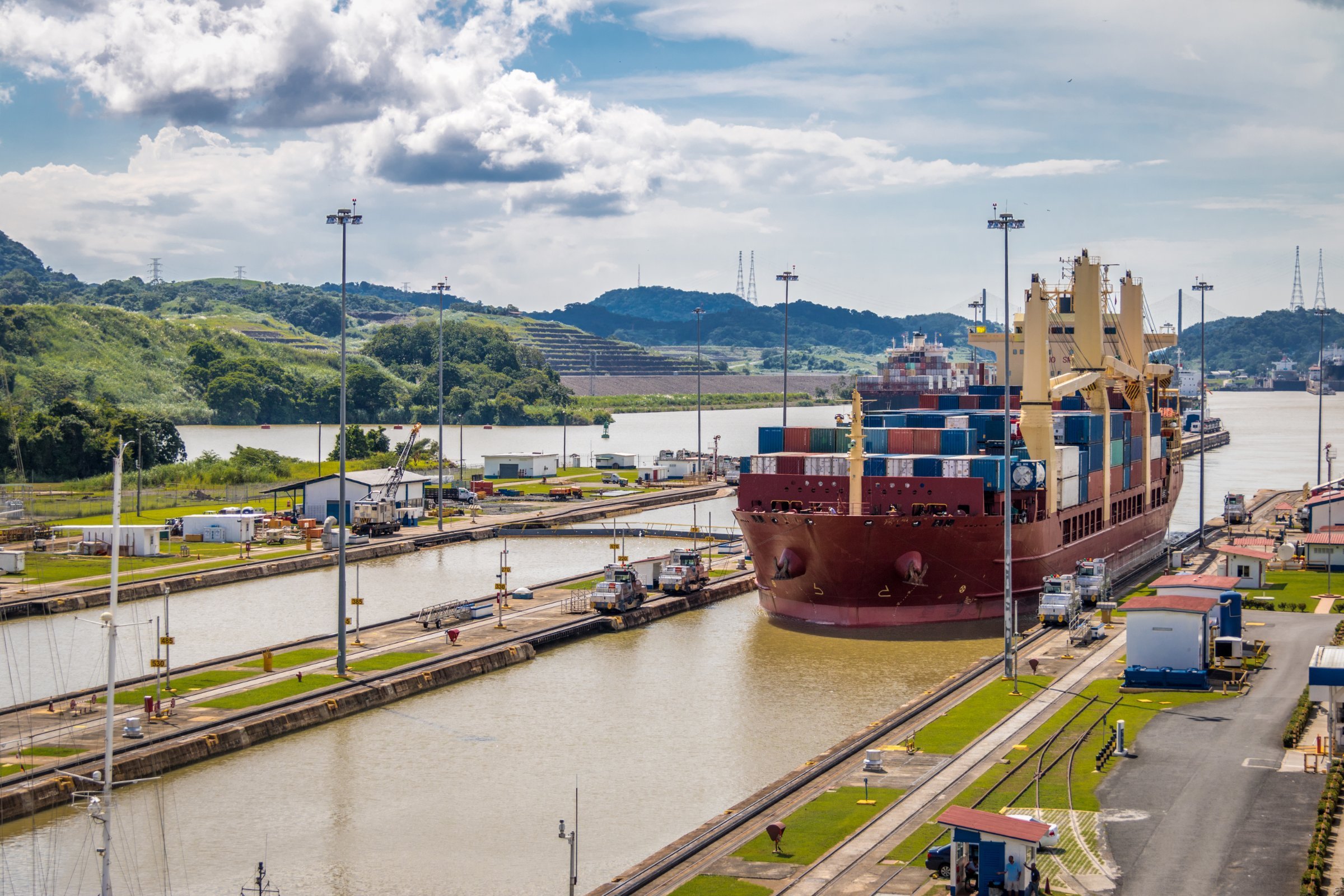
Evergreen’s planned return to Suez-linked routings, including Bab-el-Mandeb transits and Red Sea-focused sailings, is heightening concerns about Red Sea ports congestion and schedule reliability.
Suez Canal transits are back on the planning board for Evergreen’s Far East–Europe network, with a set of ad hoc sailings slated to move through the Suez Canal and the Bab-el-Mandeb Strait. Alphaliner said Evergreen is planning eight ad hoc transits tied to its Far East–Europe services.
Alphaliner also said Evergreen is planning four additional sailings aimed specifically at the Red Sea market. The shift is reviving concerns that Red Sea ports congestion could worsen if more services and one-off sailings target the corridor at the same time.
What changed in Suez Canal transits for Evergreen Far East–Europe services
Evergreen is planning eight ad hoc transits through the Suez Canal and the Bab-el-Mandeb Strait for its Far East–Europe services, according to Alphaliner. The same update also points to four sailings designed specifically for the Red Sea market.
The move signals a renewed operational focus on Suez-linked routings for at least part of Evergreen’s Far East–Europe coverage, using ad hoc sailings rather than only fixed, long-term service patterns. No further operational details were announced in the available information, including timing, port pairs, or vessel deployment.
Why Bab-el-Mandeb and the Red Sea corridor matter for Asia–Europe schedules
The Bab-el-Mandeb Strait is a key chokepoint connecting the Red Sea to the Gulf of Aden and onward ocean routes. For Asia–Europe container shipping, routings that pass through Bab-el-Mandeb and the Suez Canal can concentrate vessel calls and cargo flows into a limited set of Red Sea gateways.
When multiple carriers add or re-add Suez-linked routings, demand for berths, pilots, tugs, and yard capacity can tighten at the same time. That can translate into longer port stays and more variable arrival windows, even when the sailing plan itself is designed to shorten distance versus alternative routings.
Red Sea ports congestion risk as more sailings target the corridor
Concerns are rising that Red Sea ports congestion could increase as more services and sailings target the corridor and regional demand. Evergreen’s plan combines ad hoc Suez Canal transits for Far East–Europe services with additional sailings aimed at the Red Sea market, which could add pressure on port operations if call volumes cluster.
Congestion risk is not limited to a single terminal. When vessel bunching occurs, knock-on effects can include delayed berth windows, slower container exchanges, and schedule disruption that propagates to subsequent port calls on the rotation.
What to watch next for Evergreen’s ad hoc sailings
The immediate watchpoint is whether other carriers follow with similar Suez-linked adjustments and whether ad hoc sailings become more frequent on Far East–Europe lanes. A second watchpoint is how quickly Red Sea ports absorb any incremental call volume without extended waiting times.
For shippers, the practical signal is that routing decisions are still fluid and may be implemented through one-off sailings rather than only through formally restructured weekly services. That can make near-term planning harder for teams that rely on stable cutoffs and predictable vessel windows.
Key takeaways
Evergreen is planning eight ad hoc Suez Canal and Bab-el-Mandeb Strait transits for Far East–Europe services, Alphaliner said.
Alphaliner also said Evergreen is planning four sailings aimed specifically at the Red Sea market.
The planned return to Suez-linked routings is reviving concerns about Red Sea ports congestion.
If more carriers add similar routings, Asia–Europe schedules could see higher variability around Red Sea port calls.
What this means for manufacturers and sourcing teams
What this means for manufacturers and sourcing teams: Asia–Europe buyers with cargo moving on Evergreen Far East–Europe services should plan for potential lead-time variability tied to Red Sea port calls. Build schedule buffers into inbound plans, confirm booking and cutoff details shipment-by-shipment when ad hoc sailings are used, and review contingency routings with forwarders for time-sensitive SKUs. If Red Sea ports congestion increases, capacity constraints and rolled cargo risk could rise, so procurement teams may need to stagger ship dates and align inventory policies to wider ETA ranges.