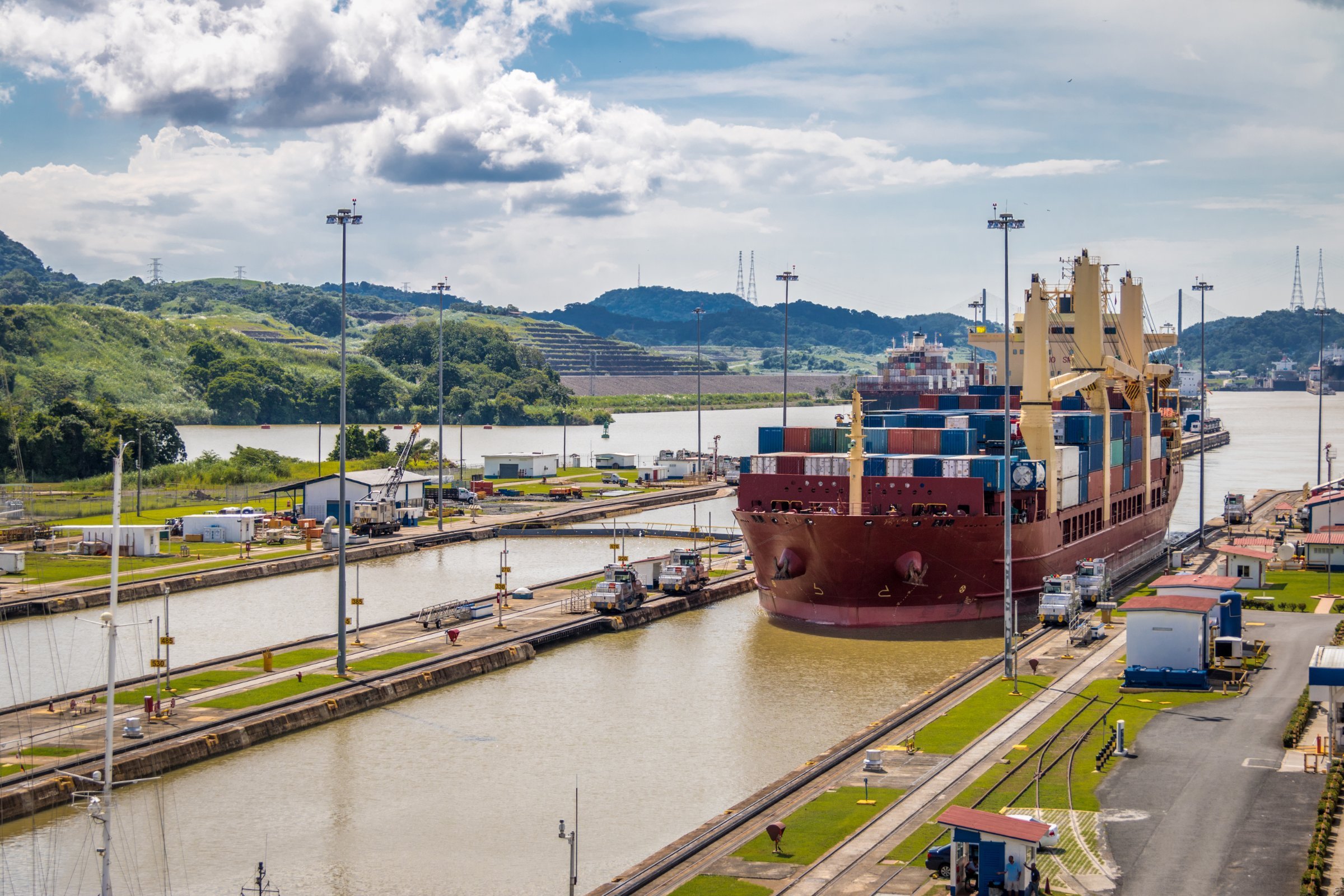
The container carrier upgraded its guidance for a third time, signaling continued strength in ocean freight pricing that could keep shipper transport budgets under pressure.
Hapag-Lloyd raised its outlook for a third time, pointing to strong freight rates in container shipping.
For procurement and logistics teams, the Hapag-Lloyd outlook upgrade is a signal that ocean freight pricing conditions remain supportive for carriers, which can translate into continued cost pressure for shippers and tougher decisions on contract timing, allocations, and spot exposure.
What changed in the Hapag-Lloyd outlook
Hapag-Lloyd increased its outlook again, marking the third guidance upgrade tied to strong freight rates.
Carrier guidance changes matter because they reflect how shipping lines see current pricing and demand conditions. When a major carrier lifts expectations based on rate strength, it can reinforce market sentiment that container shipping rates are holding up better than previously assumed.
Why strong freight rates matter for ocean freight buyers
Strong freight rates typically indicate that carriers are achieving higher pricing on key trade lanes, whether through contract renewals, spot market pricing, or a mix of both.
For shippers, sustained strength in ocean freight can raise landed costs and complicate budgeting. It can also affect how teams structure transportation strategies, including how much volume to lock into long-term agreements versus leaving flexible for spot purchases.
Container shipping rates and market volatility: what the upgrade signals
A third outlook increase underscores that container freight markets can remain volatile, with pricing conditions shifting quickly and sometimes staying elevated longer than buyers expect.
Even without route-by-route details, a guidance upgrade tied to rate strength suggests carriers see pricing dynamics as favorable enough to improve expected performance versus prior forecasts. That can influence how other market participants approach negotiations and capacity planning.
Who is most exposed to higher ocean freight costs
Companies with heavy reliance on containerized ocean freight are most exposed when rates stay strong, particularly those with tight margins, high-volume import programs, or limited flexibility to change shipping modes.
EU-based importers and exporters can feel the impact through higher transportation line items and knock-on effects in inventory positioning. Teams managing seasonal peaks or time-sensitive replenishment may face additional pressure if they need to secure space while rates remain firm.
What to watch next for carrier guidance and shipper planning
Carrier guidance upgrades can shape expectations in contract discussions, especially when shippers are deciding between spot and long-term allocations.
Logistics teams will want to monitor whether other carriers echo similar signals and whether strong pricing persists into upcoming contracting cycles. If rate strength continues, shippers may need to revisit assumptions in freight budgets and service-level tradeoffs.
Key takeaways
Hapag-Lloyd raised its outlook for a third time, citing strong freight rates.
The guidance upgrade signals continued strength in ocean freight pricing conditions.
Sustained container shipping rates can keep upward pressure on shipper transportation costs.
Carrier guidance shifts can influence contract negotiations and spot-versus-contract decisions.
What this means for manufacturers and sourcing teams
What this means for manufacturers and sourcing teams: Expect continued sensitivity in ocean freight budgets if strong rates persist. Re-run landed-cost models for key lanes, and stress-test scenarios with higher container shipping rates. Review contract coverage versus spot exposure, and align allocations with critical SKUs and service-level needs. Build lead-time buffers where feasible and confirm Incoterms responsibilities so freight cost changes are captured in supplier pricing discussions. Use tools like MESH Works to centralize carrier and forwarder quotes, contract terms, and lane-level assumptions for faster reforecasting.