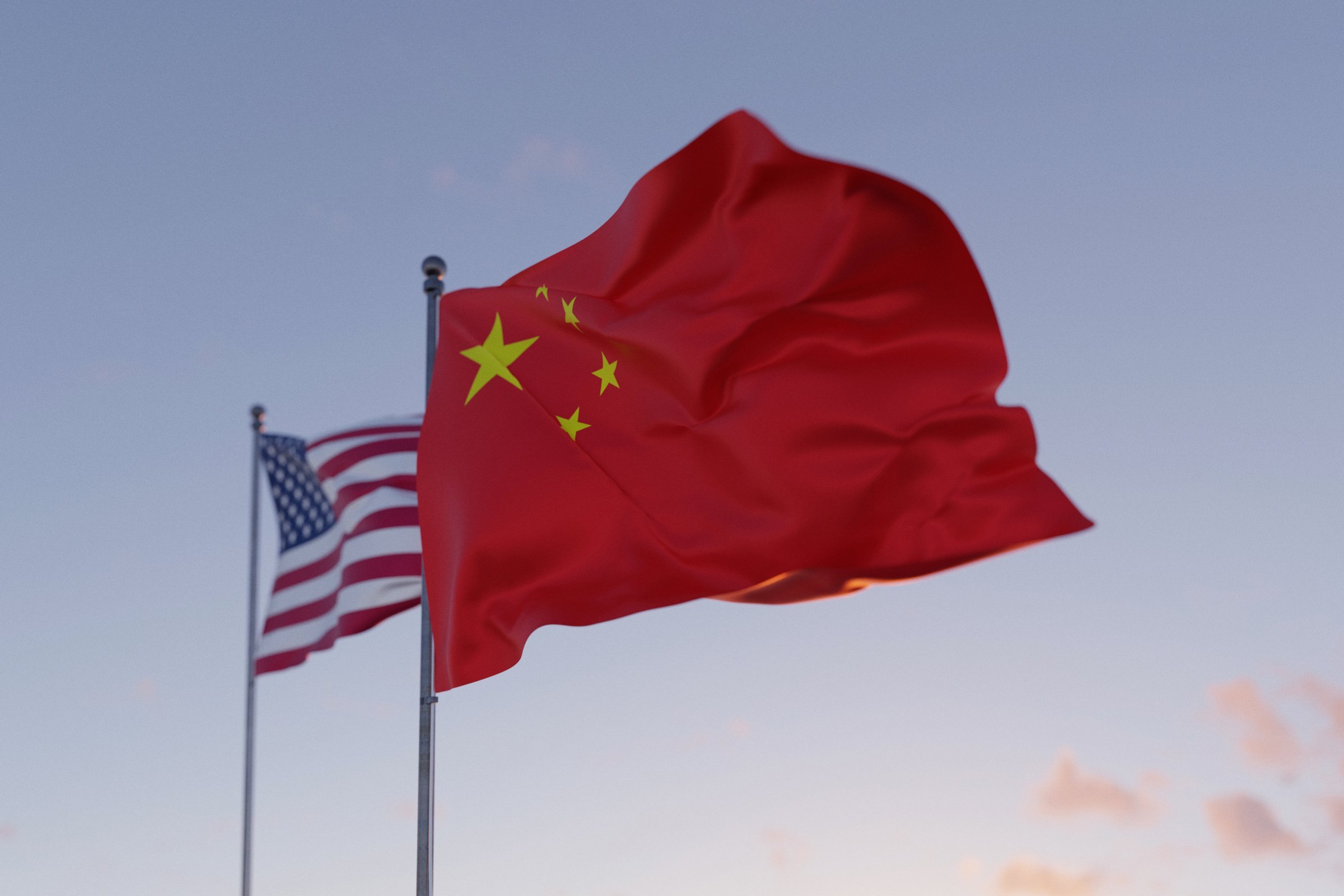
China says any increase in US agricultural imports will depend on reciprocal tariff cuts, adding a new condition that could shape near-term pricing and sourcing plans.
China is tying any increase in US farm imports to reciprocal tariff cuts between Beijing and Washington. The position frames agricultural purchasing as contingent on changes to bilateral tariff levels rather than a standalone demand signal.
For procurement teams buying agricultural inputs, the linkage means near-term price and availability could hinge on whether both sides agree to reduce tariffs in tandem. If negotiations do not progress, buyers may need to plan for continued tariff-driven cost volatility and sourcing uncertainty.
What changed in China’s stance on US agricultural imports
China has linked the prospect of buying more US agricultural products to reciprocal tariff cuts. In practical terms, the message is that higher import volumes are not being presented as an unconditional purchasing plan; they are being positioned as part of a broader trade-policy exchange.
For supply chain and procurement leaders, this matters because it shifts the signal from “demand-driven buying” to “policy-contingent buying.” That can affect how suppliers price forward contracts, how traders manage risk premiums, and how buyers evaluate whether current quotes reflect policy expectations rather than underlying supply-demand fundamentals.
Why reciprocal tariff cuts matter for US-China trade flows
Tariffs are taxes applied at the border that can raise landed costs and change which origins are competitive. When a major importer ties purchasing to tariff reductions, it effectively makes market access and price competitiveness dependent on policy alignment.
Reciprocal tariff cuts can also influence timing. If tariff reductions are negotiated and implemented, buyers may see shifts in offer prices and availability as trade flows adjust. If tariff levels remain unchanged, the cost impact of tariffs can continue to be embedded in pricing, and trade volumes may remain sensitive to policy headlines and negotiation signals.
Who is most exposed: agriculture and food and beverage buyers
The most direct exposure is for companies sourcing agricultural products and farm imports that can be supplied from either the United States or alternative origins. Food and beverage manufacturers, ingredient buyers, and downstream processors may see the biggest near-term planning challenge because agricultural inputs often have tight substitution constraints, seasonal considerations, and limited tolerance for quality variability.
The conditionality also matters for global buyers outside the US and China. If tariff changes alter US-to-China flows, other importing regions could see knock-on effects in availability and pricing as suppliers redirect volumes across markets.
What happens next: negotiations and implementation risk
China’s linkage introduces an additional “if-then” step into the outlook for agricultural imports: higher purchases depend on reciprocal tariff cuts. That means procurement teams should treat any expectation of increased US agricultural shipments as contingent on policy decisions rather than as a firm demand forecast.
Even if both sides agree in principle, buyers typically need to watch for the practical details that determine commercial impact—such as which products are covered, the size of any tariff reductions, and when changes take effect. Until those specifics are confirmed, pricing and supply assumptions may remain volatile.
How to plan for tariff-driven volatility in agricultural inputs
Procurement teams can use scenario planning to separate “tariff-cut” and “no-change” outcomes. In a tariff-cut scenario, landed costs could fall and US-origin supply could become more competitive; in a no-change scenario, tariff-related cost pressure and uncertainty may persist.
Operationally, buyers may need to review contract terms for flexibility, evaluate alternate origins where specifications allow, and align internal stakeholders on triggers for switching supply. For organizations with exposure to multiple agricultural inputs, a portfolio approach—prioritizing the highest-spend or highest-risk items—can help focus mitigation efforts.
Key takeaways
China says more US farm imports depend on reciprocal tariff cuts, not standalone purchasing demand.
The linkage makes agricultural trade flows more sensitive to tariff negotiations and policy timing.
Food and beverage and agricultural input buyers could see pricing and availability shift if tariffs are reduced.
If talks stall, tariff-driven cost volatility is likely to remain a planning constraint.
What this means for manufacturers and sourcing teams
What this means for manufacturers and sourcing teams: Build two costed scenarios for agricultural inputs—one assuming reciprocal tariff cuts and one assuming no change—and update should-cost models accordingly. Review supplier contracts for price-adjustment clauses, substitution rights, and volume flexibility. Where specifications allow, qualify alternate origins to reduce exposure to bilateral tariff swings. Add lead-time and inventory buffers for the most tariff-sensitive inputs, and tighten compliance checks on tariff classification and country-of-origin documentation. MESH Works users can track supplier and part-level exposure by origin to prioritize mitigation.