In today’s procurement environment, cost pressure is constant. Buyers must reduce spending, justify every sourcing decision, and deliver savings quarter after quarter. Competitive pricing is no longer optional; it is a basic expectation.
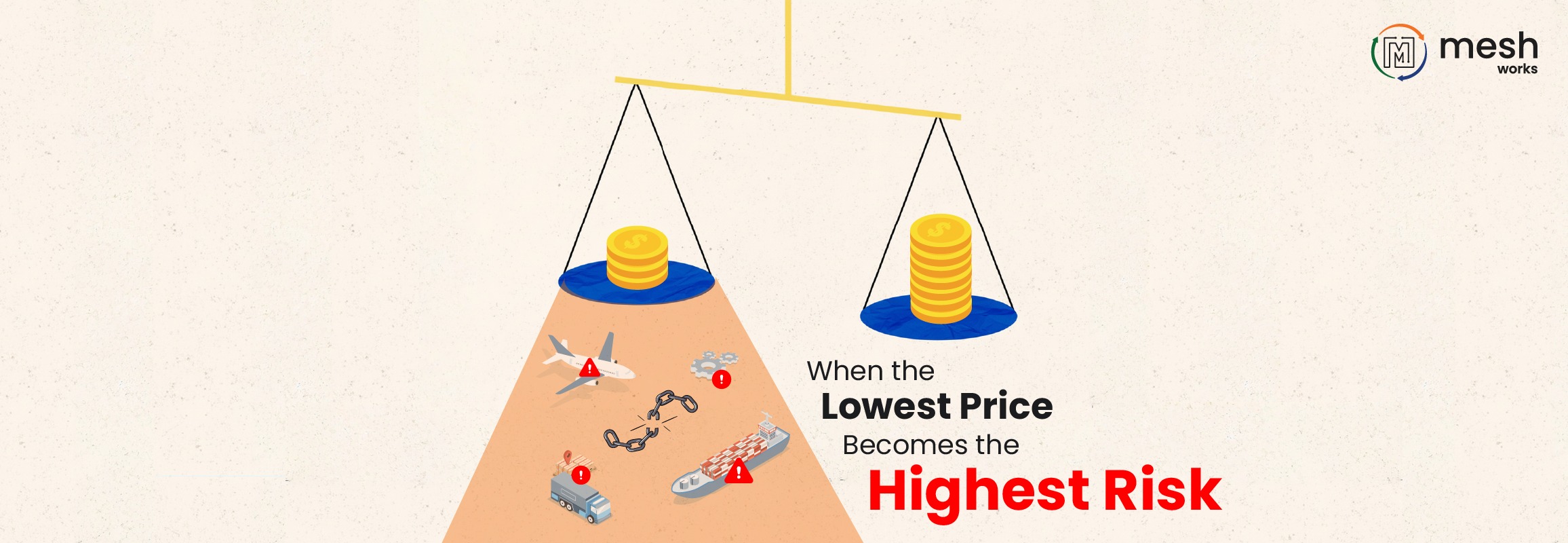
But if you focus only on cost, you can create risks that show up later and are much more expensive to fix.
This is often where sourcing strategies fall short.
The Short-Term Win That Creates Long-Term Problems
Pushing for aggressive cost competition through tough RFQs, repeated negotiations, or poorly planned bidding can show quick savings on paper. However, these savings often hide bigger issues with the supplier’s ability, commitment, or long-term stability.
Common outcomes include:
Suppliers accepting prices they cannot realistically support
Reduced investment in quality, tooling, or process controls
Capacity issues arising after the contract is awarded
Increased reliance on a single low-cost supplier
A sourcing decision might look like a win at first, but the real risks often show up during execution.
Why Suppliers Say “Yes” Even When They Shouldn’t
In very competitive sourcing situations, suppliers often feel they must win business at any cost. To stay in the race, they may:
Underestimate true production or compliance costs.
Assume they can correct prices later.
Accept short-term losses to build long-term relationships.
Overcommit on timelines or capacity.
For buyers, this can create a false sense of security. For suppliers, it leads to deeper risks in their business.
Where the Risk Shows Up Later
The problems from aggressive cost competition usually don’t show up during the RFQ review. They come out later, making fixes harder and more expensive.
Typical signals include:
Quality issues during pilot or early production
Delays in tooling readiness or APQP milestones
Requests for price revisions after award
Missed delivery commitments
Increased friction between buyer and supplier teams
By this stage, changing suppliers or renegotiating terms often causes delays, extra checks, or higher costs. These issues can erase any savings you thought you had.
Cost Transparency vs. Cost Pressure
There is a key difference between transparent competition and unsustainable cost pressure.
Healthy cost competition:
Encourages fair market pricing
Allows suppliers to compete on efficiency and capability
Creates clarity for buyers during decision-making
Unhealthy cost pressure:
Forces suppliers into unrealistic commitments
Shifts risk downstream instead of eliminating it
Undermines long-term supply stability
The real issue isn’t competition itself, but how it’s set up and measured.
What Procurement Teams Are Rethinking
Top procurement teams are rethinking how they balance price with long-term supply stability. They are now:
Designing sourcing events that prioritize transparency, not just the lowest price
Evaluating supplier readiness along with commercial terms
Ensuring post-award commitments are clearly tracked and managed
Creating sourcing processes that reduce surprises after the award
The focus is moving from just winning the RFQ to making sure you deliver reliably afterward.
The Bigger Picture: Sustainable Sourcing Decisions
In a volatile global environment, where supply chains face pressure from policy changes, logistics disruptions, and capacity limits, sourcing decisions based only on aggressive cost competition bring unnecessary risk.
The most resilient sourcing strategies are those that:
Balance competitiveness with capability
Ensure commercial outcomes match execution reality
Protect both cost targets and supply continuity
If cost savings vanish because of supply problems, they aren’t real savings.
Final Thought
Aggressive cost competition may look effective in the short term, but it often shifts risk rather than removing it. For procurement teams, the real challenge is not finding the lowest number, it is ensuring that sourcing decisions hold up long after the RFQ is closed.
Sustainable value comes from sourcing strategies that combine transparency, structure, and long-term accountability, not just price pressure.
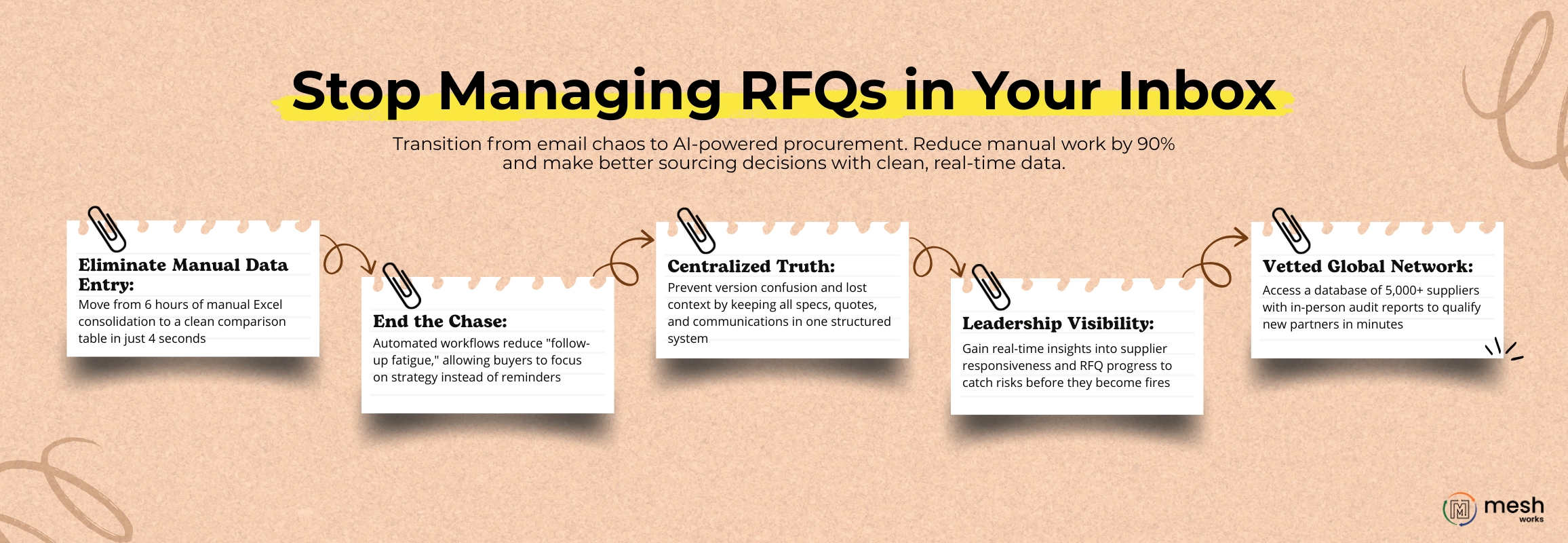
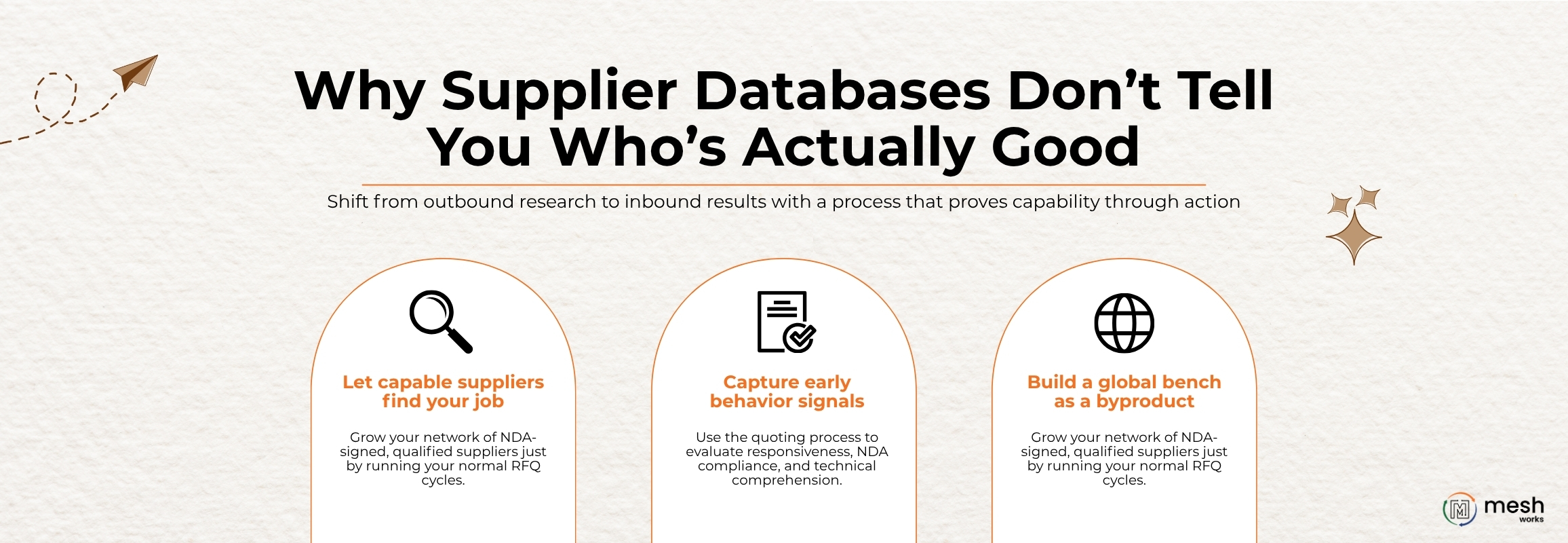
Many procurement teams are now choosing more structured sourcing models that balance competition with accountability. Tools like MESH Works help by offering transparent bidding, organized RFQs, and clear post-award tracking, so buyers can protect both their cost goals and supply reliability.