Think of commodity managers as the quarterbacks of the supply chain team. They need to collect a lot of supplier information, be quick decision-makers, and negotiate details but yet, see the big picture. The most successful commodity professionals constantly monitor market conditions to purchase when prices are ideal. They analyze risk, develop forecasts, study trends to identify and solve potential problems, and are always looking for opportunities for innovation in their field. They are often overworked, with very little in the way of digitized workflow tools.
Example case: Let’s review the commodity manager responsible for aluminum die-casting spending in North America. This is a $6.8 Billion spend category with hundreds of large and small suppliers in the US and around the globe. According to the Allied Marketing Research Global Opportunity Analysis and Industry Forecast published in June 2022, the rapidly rising demand for aluminum in China has been fueling the expansion of the global aluminum sector.
So, how does an effective commodity manager create a solid strategy to reduce risk, forecast and monitor costs, and regulate volume based on this type of market fluctuation?
Pick capable suppliers and capacity around the world
Move tools around the world for optimal cost, quality, and delivery
Shift focus from process to commodity
Balance costs monthly instead of quarterly
Focus more on inventory volume
Categorize suppliers into groups by commodity, process, location
Stay up to date on the latest laws, regulations, tariffs, and economic climate
How do commodity managers accomplish all these things? By searching for the latest and greatest innovations in their field and implementing best practices into their strategy.
They join the age of digital procurement with MESH Works: the cloud-based sourcing and supplier relationship management tool.
Organizing suppliers in the MESH supplier network by geographic location can reduce shipping time and lowers costs
A global database of MESH-assessed suppliers reduces the risk and opportunities involved with currency exchange rate
The ability to view and download reports that snapshot suppliers by commodity and allow a quick pivot when the market demands it
Seamless integration between departments streamlines processes and communication between sales, sourcing, and procurement teams
Learn more about MESH and connect with one of our supply chain specialists at www.meshworks.com.
Frequently Asked Questions
Q 1. What does a Commodity Manager do in the supply chain?
Ans. A Commodity Manager oversees the sourcing strategy for a specific category, such as aluminum die casting, machining, or electronics. They evaluate suppliers around the world, negotiate prices, monitor market conditions, manage risks, and ensure a steady supply. Their role is similar to a quarterback, coordinating decisions, resources, and strategy across the organization.
Q 2. Why is Commodity Management important for manufacturers?
Ans. Commodity Management helps companies stay cost competitive, find reliable suppliers, lower risk, and respond quickly to changes like tariffs, material shortages, or shifts in global demand. It enables organizations to make better buying decisions and build resilience in unstable markets.
Q 3. What challenges do Commodity Managers face today?
Ans. Commodity Managers often face challenges with:
Rapid market fluctuations in metals, materials, and logistics.
Limited digital tools and a reliance on spreadsheets.
Difficulty finding suppliers that have the right capability and capacity.
Managing global risks like tariffs, currency rates, and geopolitical changes.
Maintaining real-time visibility into supplier performance and supply chain disruptions.
Q 4. How does digital procurement help Commodity Managers?
Ans. Digital procurement platforms, like MESH Works, centralize supplier data, audits, RFQs, certifications, and communications all in one place. This removes the need for manual data searches, improves accuracy, speeds up quoting, and enhances decision-making for important commodities such as aluminum die casting or forgings.
Q 5. How does MESH Works support Commodity Management?
Filter suppliers by commodity, capability, and location
Review supplier capacity, quality ratings, photos, and videos
Quickly compare quotes through a centralized RFQ dashboard
Track market trends and adjust sourcing strategy based on real-time data
This helps Commodity Managers lower risk, manage costs, and simplify strategic sourcing.
Q 6. Why is supplier diversification essential for commodity categories like aluminum die casting?
Ans. Demand for aluminum and other metals changes because of global industrial growth, EV adoption, and shifts in production by region. Using suppliers from different countries helps balance costs and prevent shortages. This ensures a steady supply, even during disruptions like tariffs, energy crises, or limitations on global capacity.
Q 7. How can Commodity Managers stay ahead of global market changes?
Ans. They must continually monitor:
- Commodity price indexes and forecasts
- Country-level risks and regulations
- Changes in supplier capacity
- Industry trends in automotive, aerospace, and EV sectors
Tools like MESH Works provide supplier analytics, sourcing insights, and global visibility to support informed and proactive decisions.
Q 8. What are the benefits of using a cloud-based SRM platform for Commodity Management?


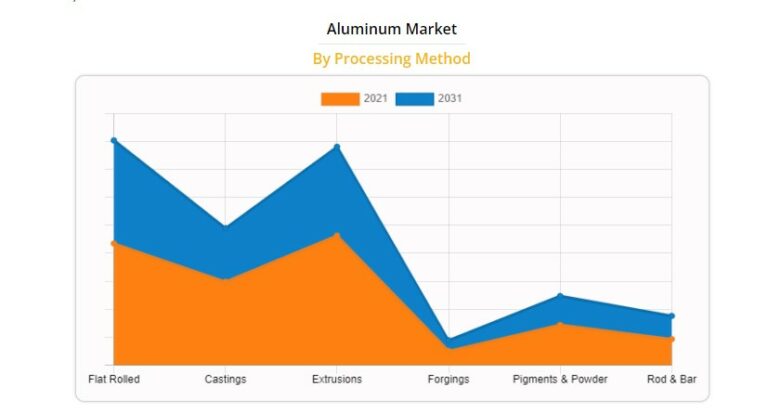 https://www.alliedmarketresearch.com/aluminium-market
 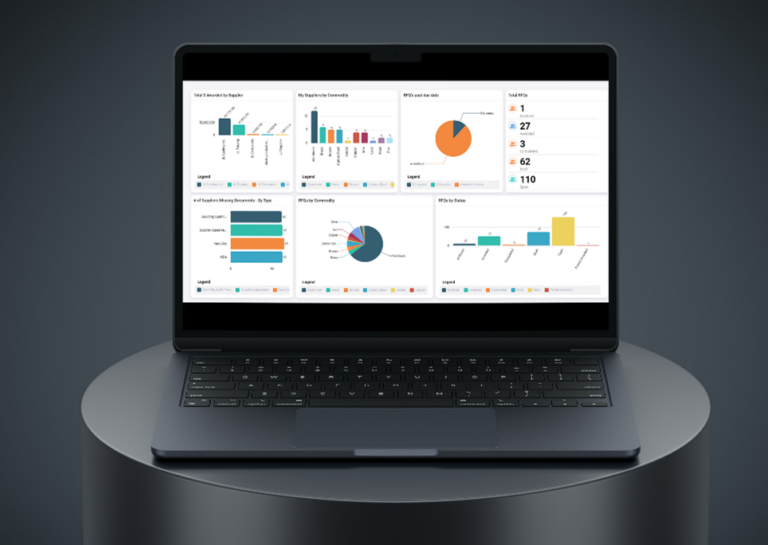 The MESH SRM (Supplier Relationship Management) dashboard makes a commodity manager’s job easier by placing all important information in one place.