
How to Engage with Suppliers and Build a Robust Supply Chain

MESH Works
How to Engage with Suppliers and Build a Robust Supply Chain

Successful sourcing professionals consistently analyze and adjust their sourcing strategy. Now, more than ever, the key to crafting a successful risk mitigation plan for a global supply base is having detailed information for hundreds of suppliers across regions & capabilities readily available to support agile decision-making. Having this information in one online, centralized database improves and increases productivity for sourcing professionals.

According to Deloitte’s 2021 Chief Procurement Officer survey, supply assurance has been the biggest challenge over the last 12 months.

Diversify suppliers across continents

A sourcing strategy should never focus on one continent. Supply, demand, pricing, and capabilities are constantly fluctuating depending on internal and external factors. Tariffs, a global pandemic, politics, climate change, staffing concerns, war – the list goes on. If a business isn’t ready to pivot sales and sourcing outreach at a moment’s notice, it will be several steps behind in an industry in constant change. Having a strategic risk mitigation plan in place along with utilizing a strategic sourcing tool enhances an organization’s capabilities for sourcing global manufacturers and suppliers for OEMs. 

Improve availability across manufacturing commodities and processes

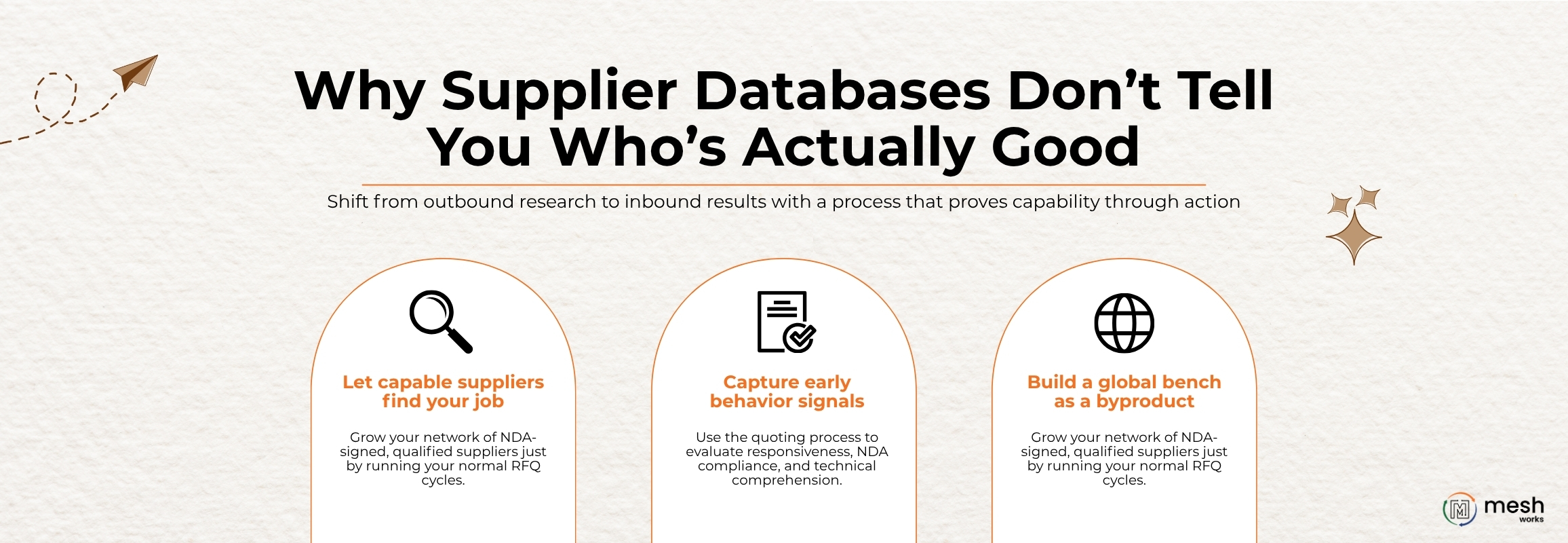
Having a database of suppliers that spans several commodities saves time, manpower, and revenue. If preferred suppliers run into transportation and shipping issues it can derail an entire project and cause a massive price increase. Being able to quickly source new suppliers to send out multiple RFQs in an existing database is a game-changer. Organizing and segmenting those suppliers by both process and commodity before sending out those RFQs is even better. Adding a global supplier selection tool to sourcing technology is a win-win for any organization. 

Utilize advancements in sourcing technology

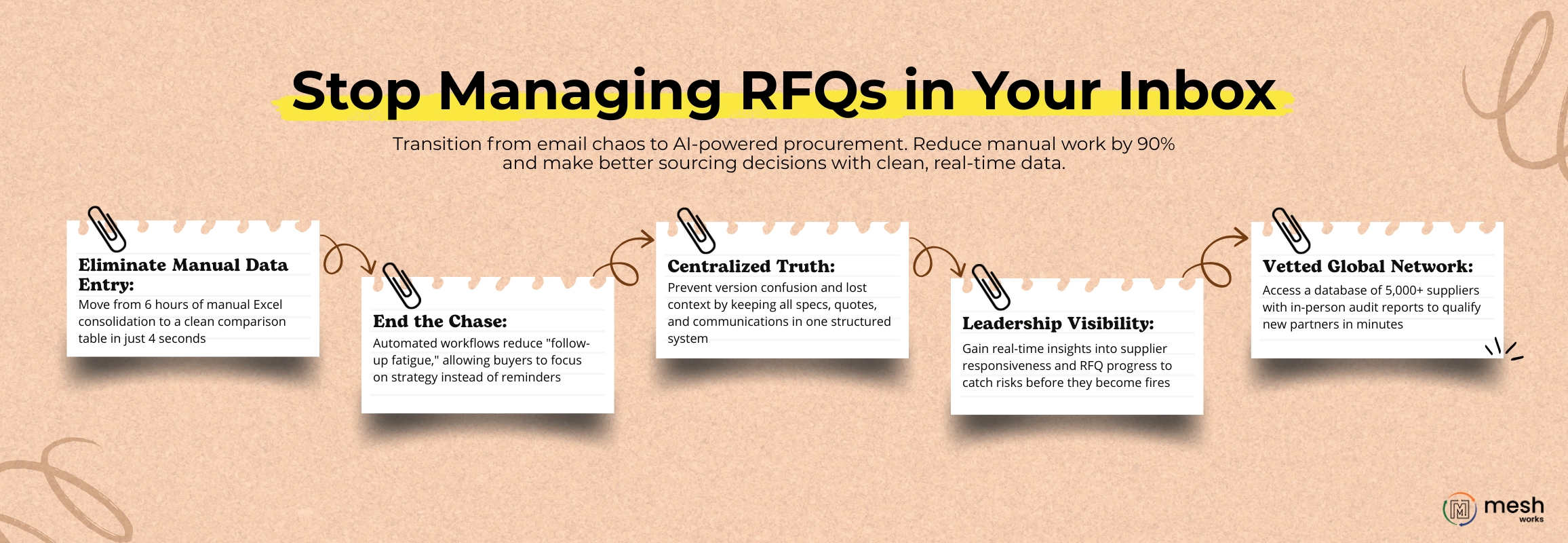
Effective and timely supplier relationship management is more important than ever. Complete supplier profiles in one online tool create efficiency and streamline sourcing & procurement processes for an organization. Quickly sorting through contact information, location, on-site equipment, processes, capacity, quality ratings, and capabilities reduces the need for spreadsheets, emails, and multiple conference calls. On-site audits with photos, videos, notes, and ratings build trust and confidence and validate the credibility of suppliers. All of this not only benefits sourcing professionals but also increases business opportunities for suppliers. 

Organize your supplier information

Audits, contacts, locations, equipment, processes, capacity, capabilities – the list goes on. Having a proactive communication plan for sales, sourcing, and suppliers streamlines and simplifies sourcing operations. Running reports to compare suppliers creates an efficient workflow and cuts down on decision-making time. Having a system in place that incorporates strong communication as well as advanced technology for a team is important. 

Are you looking to expand supplier networking across the globe and improve sourcing processes? MESH Sourcing offers a unique online tool to simplify and streamline operations for an entire team. As MESH engineers across the globe continue to expand the database and add geographically diverse suppliers, you won’t want to miss out on this strategic and efficient global sourcing tool for manufacturing professionals. 

Explore how the MESH Network connects global buyers and suppliers.

Frequently Asked Questions

Q 1. Why is supplier engagement critical for building a resilient supply chain?

Ans. Supplier engagement ensures ongoing communication, better visibility, and quicker issue resolution. Strong relationships help companies respond swiftly to disruptions, secure capacity, avoid shortages, and maintain consistent quality and delivery performance across global regions.

Q 2. How does diversifying suppliers across multiple continents reduce supply chain risk?

Ans. Diversification reduces reliance on one region. This helps companies avoid disruptions from political instability, tariffs, natural disasters, pandemics, logistics delays, capacity shortages, and price changes. A multi-continent supplier strategy ensures continuity and keeps production moving. Companies can also use tools like the Supply Chain Resilience Calculator to measure risk exposure and quantify improvements when expanding their supplier base across regions.

Q 3. What information should sourcing professionals track to improve supplier engagement?

Ans. High-performing sourcing teams review:

  • Supplier location and capabilities.

  • Machinery and equipment lists.

  • Capacity availability.

  • Quality ratings and audit results.

  • Certifications.

  • Lead times and logistics performance.

  • Pricing trends and sustainability practices.

Having all this data in one centralized system ensures faster evaluation and better decision-making.

Q 4. How can sourcing technology improve global supplier engagement?

Ans. Modern sourcing platforms bring together supplier profiles, audits, RFQs, capacity data, videos, certifications, and communication logs in one place. This removes the need for spreadsheets and email chains. It improves transparency and enables sourcing teams to quickly compare suppliers, send RFQs, and track performance at scale.

Q 5. What role do sourcing audits play in selecting the right suppliers?

Ans. Sourcing audits check if suppliers can deliver on their promises. They look at manufacturing processes, equipment, capacity, quality systems, logistics experience, and engineering support. Audits help clear up false information and make sure buyers work only with trustworthy, verified suppliers.

Q 6. Why is organizing supplier information essential for procurement and sourcing teams?

Ans. Organizing supplier data boosts productivity, shortens decision-making time, and stops delays from missing information. When audits, capabilities, contacts, and performance metrics are all in one place, teams can quickly make comparisons, spot gaps, and keep a steady workflow.

Q 7. How does a global sourcing database help buyers respond to supply chain disruptions more effectively?

Ans. A global database helps buyers to:

  • Quickly find alternative suppliers.

  • View open capacity across regions.

  • Evaluate capabilities without needing to travel.

  • Send RFQs instantly.

  • Compare suppliers by commodity, process, and rating.

This flexibility is crucial when current suppliers deal with shutdowns, logistics issues, or unexpected demand increases.

Q 8. How does MESH Sourcing support supplier engagement and supply chain resilience?

Ans. MESH Sourcing offers a centralized platform that includes verified supplier audits, detailed capability profiles, quality ratings, global visibility, and filtering tools. Buyers can easily identify new suppliers, compare options, send RFQs, and improve multi-region sourcing strategies to create a strong and adaptable supply chain.

Q 9. What is the biggest challenge sourcing professionals face today, according to industry research?

Ans. Deloitte's CPO Survey shows that supply assurance is the biggest challenge. Many firms faced supplier shutdowns, capacity shortages, rising logistics costs, and existing suppliers struggling to meet new requirements. This situation makes diversification and digital sourcing tools more important than ever.

Q 10. How can manufacturers streamline sourcing across multiple commodities and processes?

Ans. By using a platform that sorts suppliers by commodity (for example, casting, forging, machining, extrusion) and by process capabilities, this organization reduces manual work, improves RFQ accuracy, and allows teams to adjust quickly if a preferred supplier faces delays or capacity problems.

Procurement
You may also like