
APQP is cross-functional, involving production quality, design, sales, and sourcing engineering, developing an application for a manufacturer from design to development to release to production with robust controls.
1. Milestones and constraints aren’t defined
When they kick off the projects, most suppliers do not spend time developing a realistic timeline, including tooling, capital, equipment readiness, labor availability, and availability of engineering and quality resources. Things get even worse when managing secondary fixtures and Tier II processes and suppliers. How often do you have tools come in late from tooling suppliers, awaiting machine availability or labor availability? Most manufacturers fail to plan for constrained or concurrent activities, inevitably delaying the projects, costing more, and losing customer goodwill and confidence.
2. Information is not shared across product, design, sales, and quality teams
With the proliferation of digital 365 tools like Sharepoint, Google Cloud, One Drive, and many other products, one would think it would be easier to share information and keep it updated by working collaboratively and having the right information available to all project stakeholders. However, there continue to be gaps and redundancies in having basic project information, such as the latest part drawings, 3D models, control plans, production process documents, visual aids, and gauge and inspection processes, available to production and engineering teams alike. While OEMs have gone to product management software and control their drawing and data release, Tier 1 suppliers, and especially Tier 2 and 3 suppliers, still work with sharing all of these important forms and information via chat groups and emails.
3. Project status is not shared with all stakeholders
With an increased amount of tools such as Teams, Slack, and others, there is some improvement in the ability to share project status. However, there remains a serious gap in having even a basic Gantt chart available to all stakeholders from sales, production, quality, design, and suppliers. There is a need to have an easy-to-use system like WhatsApp (a popular tool in India) or WeChat (China’s favorite), but the system needs to be private and secure. Chat with video and annotating tools can change the effectiveness of a project management team exponentially. There is also a gap in how production quality issues can be built as inputs into the project engineering team to improve future launches.
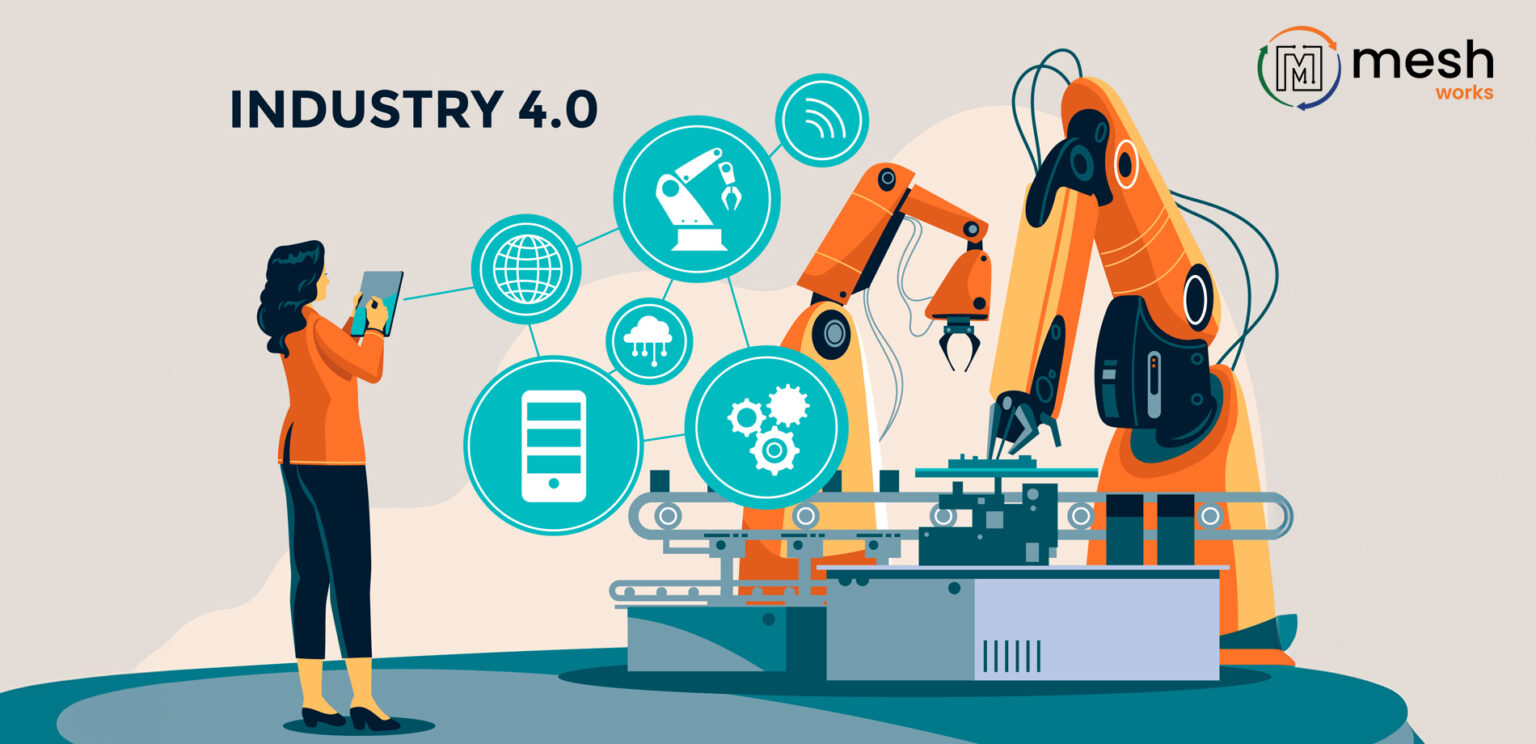
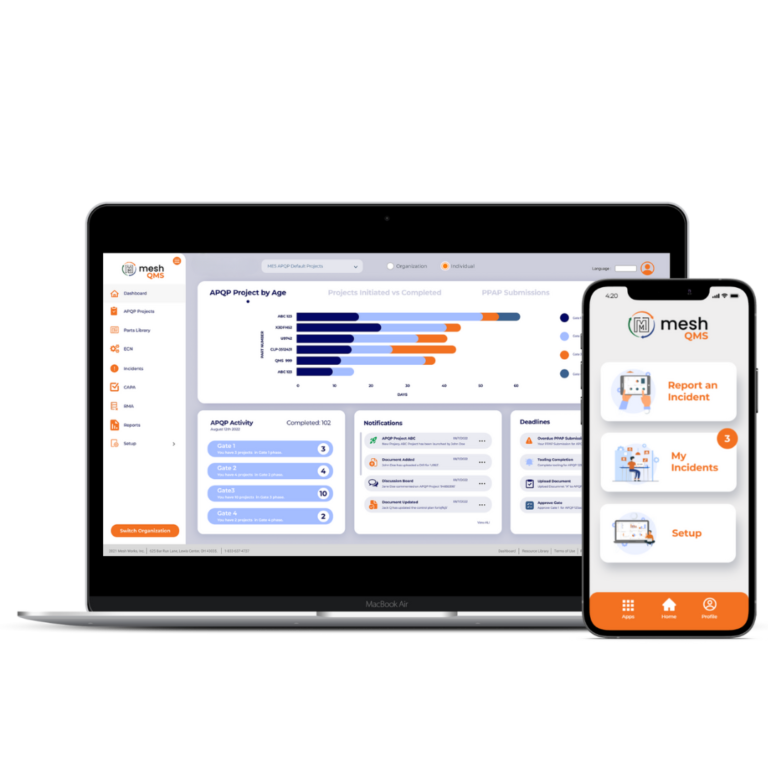 Tools that digitize APQP allow strong communication and the ability to share relevant information. Additionally, global project teams can be indispensable tools for small and medium organizations and large corporations alike. Many companies are now utilizing software to allow companies to get on board quickly and include them in their workflow. In due time, any company that is not able to digitalize will be left behind its more efficient competitors.
MESH offers a Quality Management System with an easy-to-use, cloud-hosted SaaS system. Developed by a supply chain manager, it has pre-built templates for ease and speed of configuration and customization. It has many of the standard PPAP forms to make it easy for small manufacturers with limited resources to start quickly and scale. It can also allow large global companies to get online and digitize their processes effectively.